
Foam Firefighting Guide
Foam Proportioning Systems: 3% AFFF and Low-Expansion Foam
In short: low-expansion foam is selected for many Class B hazards because a stable blanket can separate flammable liquid from air while reducing vapor release. A 3% AFFF proportioning system must deliver the correct concentrate ratio at the required flow and pressure. This guide explains the proportioning concept, expansion classes, the PSG30 cabinet, interfaces and procurement checks.
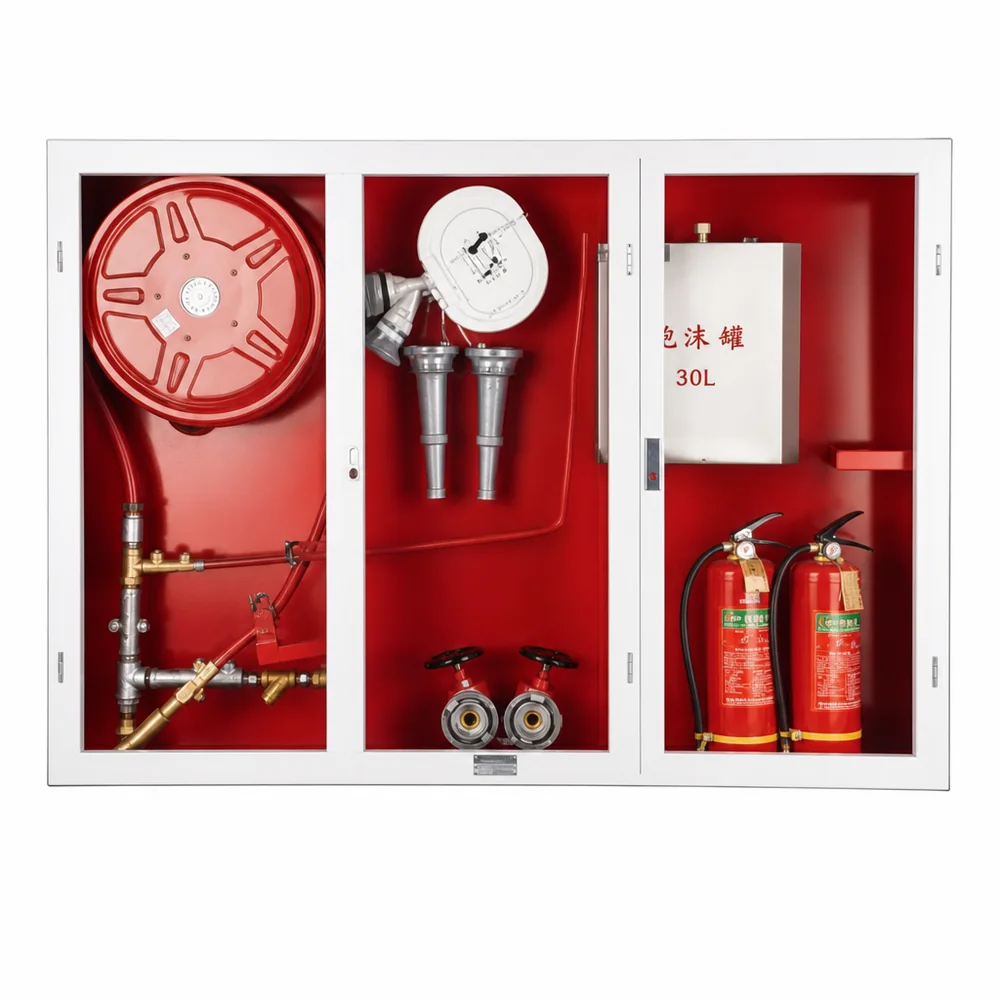
PSG30 Foam Fire Hydrant Cabinet
3% AFFF, 0.5-0.8 MPa, low-expansion packaged unit
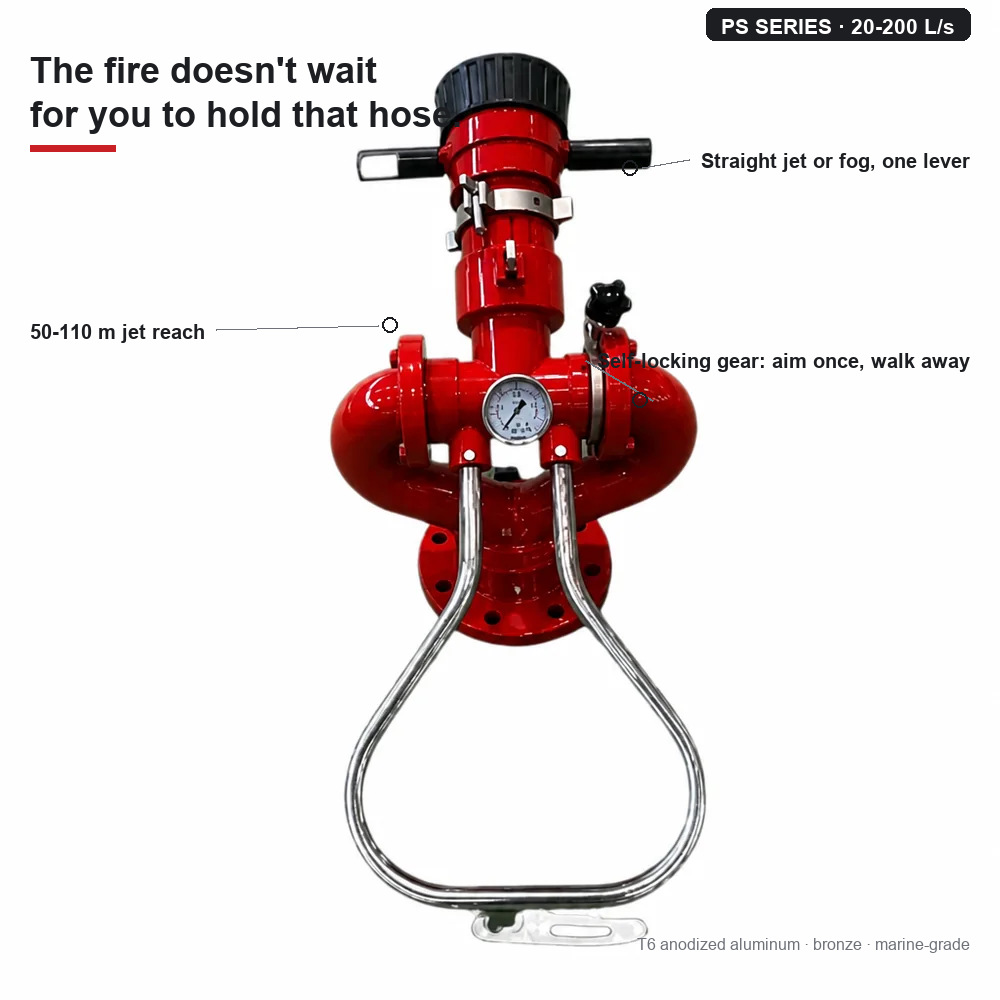
PS Series Manual Fire Water Monitor
Water and foam monitor with manual aiming
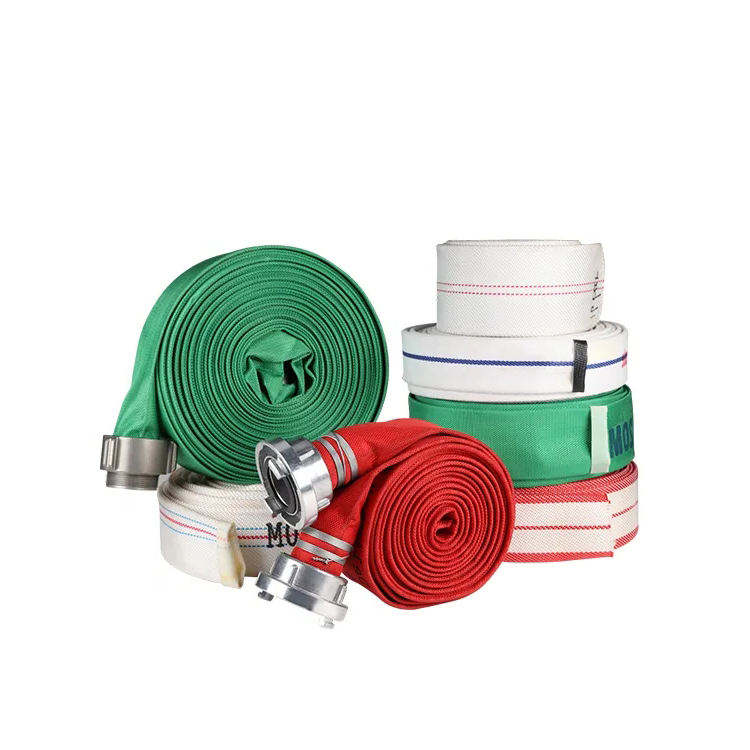
PVC Rubber Lining Fire Hose 8-65
Layflat hose with PVC rubber lining
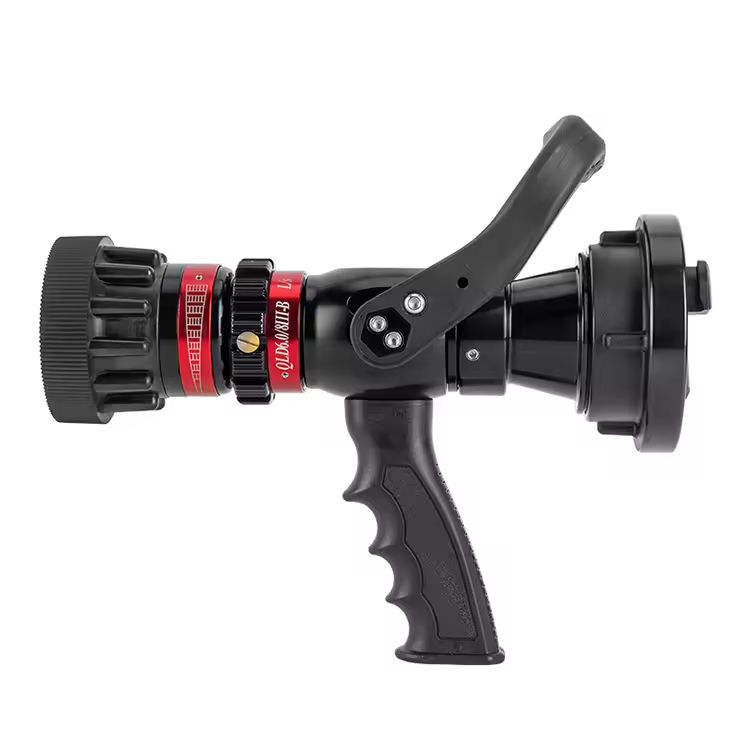
Adjustable Pistol Grip Fire Nozzle
150-500 LPM adjustable stream and fog nozzle
1. What Foam Does That Water Cannot
Water is effective when cooling and wetting are the main control tasks. A flammable-liquid surface creates a different problem. Fuel can flow, burn across a broad area and release vapor above the liquid. Depending on the fuel and application, a direct water stream may not create the separating blanket needed to control the surface and may spread burning liquid.
Low-expansion foam mixes water with concentrate and entrains a controlled amount of air at the discharge device. The finished foam is comparatively dense, so it can cover the liquid surface, reduce contact with air and help limit vapor release. Foam is not a universal replacement for water: compatibility, application rate, drainage, re-ignition risk, environmental requirements and the exact hazard remain design decisions.
For procurement, separate three questions: what the hazard is, which concentrate is approved, and how the finished foam will be applied. A PSG30 foam fire hydrant cabinet addresses a packaged hose application, while a monitor or fixed discharge arrangement may serve a larger outdoor hazard. The equipment must be selected as a system rather than by the word “foam” on a catalogue page.
2. How a 3% Proportioning System Works
A 3% proportioning system introduces foam concentrate into the water stream at the design ratio. In simple terms, the finished solution is mostly water with a controlled quantity of concentrate. The proportioner has to work across the specified flow and pressure range, and the concentrate must be available without blockage, contamination or an incompatible seal material.
There are two broad arrangements. In a premix system, water and concentrate are blended before the solution reaches the discharge device. In a concentrate arrangement, the concentrate is stored separately and injected into the water line by a proportioner during operation. Premix can be straightforward for a small, dedicated package but has storage and handling implications. Separate concentrate storage can support a larger network but requires more valves, checks, labeling and maintenance.
The PSG30 product data identifies 3% AFFF and a working pressure of 0.5-0.8 MPa. Its proportioner and nozzle are listed as solid brass alloy / heavy-duty aluminum, and its foam expansion is listed as at least 4.5. Those are the model’s published values. Do not transfer them to a different proportioner, concentrate or nozzle without confirmation from the system designer.
3. Expansion Ratio: Low, Medium and High
Expansion ratio describes how much finished foam volume is produced compared with the liquid foam solution used to make it. The class helps the designer select a discharge method, but it does not by itself prove that a system suits a fuel or hazard. The practical comparison is qualitative:
| Class | Physical behavior | Typical selection logic |
|---|---|---|
| Low expansion | Dense, relatively wet blanket with useful reach from a nozzle or monitor | Common choice for flammable-liquid surface application where reach and surface coverage matter |
| Medium expansion | More volume and lighter blanket than low expansion | Chosen when greater surface filling or vapor suppression is needed and the application is designed for it |
| High expansion | Very large foam volume with a light structure | Used for enclosed-volume filling only when the hazard, ventilation and system design support it |
The PSG30 is described as a low-expansion unit and lists expansion of at least 4.5. Use that figure as the product specification for this cabinet, not as a general definition of all low-expansion foam systems.
4. The PSG-Style Foam Cabinet as a Packaged Unit
A foam fire hydrant cabinet reduces the number of loose components that an operator must find during an incident. The PSG30 packages a storage tank, foam concentrate proportioner, hose reel and specialized foam nozzle in a wall-mounted cabinet. This makes it suitable for a defined response point, but the cabinet still needs the correct water connection, access, signage and inspection plan.
The published PSG30 data lists a jet range of at least 6 meters, working pressure of 0.5-0.8 MPa and 3% AFFF. The hose is customizable up to 30 meters. The housing is cold-rolled carbon steel with anti-UV red powder coating. The foam storage tank is high-density polyethylene / fiberglass; the proportioner and nozzle are solid brass alloy / heavy-duty aluminum; and the hose is EPDM rubber reinforced with high-tensile polyester.
Before ordering, check the cabinet footprint, door swing, hose reach, water inlet, drain and service access against the building layout. A cabinet installed behind stored goods is technically present but operationally unavailable. Include the concentrate identification and refill procedure in the handover documents.
5. Pairing Foam with Monitors and Hose
Outdoor fuel and process hazards often need more reach than a wall cabinet can provide. The PS manual fire monitor is published with a flow range of 20-200 L/s, a maximum jet distance of 50-110 meters, rated pressure of 0.8-1.2 MPa, horizontal rotation of 360° and vertical movement from -30° to +70°. These values belong to the PS product range and must be checked against the actual water and foam solution design.
A hose connection is not a minor accessory. The Model 8-65 PVC rubber-lined layflat hose uses a woven synthetic fiber body with PVC rubber lining and standard aluminum / brass fire hose couplings. Its product file lists inner diameters from 19 mm to 400 mm and customizable length, diameter and logo. Confirm the exact hose configuration, coupling pattern and foam compatibility before shipment.
At the operator end, the adjustable pistol grip nozzle is listed with 150-500 LPM variable flow, 1.5, 2 and 2.5 inch inlet options, aluminum alloy body and straight-stream to fog patterns. The fire water monitor selection guide and fire hose buying guide can be used to review the surrounding selection, but neither replaces the project’s foam discharge calculation.
6. Concentrate Storage, Testing and RFQ Data
Foam concentrate is a working inventory, not just a spare liquid in a tank. Keep the product name, batch information, storage conditions and refill date traceable. Follow the concentrate manufacturer’s instructions for temperature, container compatibility, sampling and disposal. A proportioner cannot correct concentrate that has been contaminated, mixed with an incompatible product or stored outside its limits.
- Hazard: fuel or chemical class, spill geometry, indoor/outdoor condition and ignition scenario.
- Foam basis: concentrate name, 3% or other required ratio, low/medium/high expansion and environmental restrictions.
- Hydraulics: available pressure, flow, pipe size, discharge device, reach and simultaneous operating points.
- Package: cabinet size and material, coating, tank material, hose length, nozzle, proportioner and connection standard.
- Acceptance: commissioning test method, concentrate sample requirements, training, spare parts and documents.
Request a model-specific datasheet and installation drawing rather than accepting a generic “foam system” description. For supplier and paperwork checks, the B2B valve sourcing checklist provides a useful procurement framework, while the CE and EN 12845 compliance guide explains why destination requirements must be confirmed per project.
For overseas distributors, the most useful stock record is not only a cabinet model number. Keep the concentrate identity, foam percentage, hose length, nozzle inlet, replacement seals and operating instructions together. That prevents a cabinet from being replenished with an unverified concentrate or an apparently similar nozzle that changes the discharge behavior.
For contractors, inspect the complete flow path before commissioning: water inlet, proportioner, tank pickup, hose reel, nozzle and drain. Verify that the operator can reach the cabinet, deploy the hose and understand the control sequence. Record the pressure and proportioning checks required by the approved design, then label the refill product clearly for future maintenance.
Frequently Asked Questions
What does 3% AFFF mean in a foam proportioning system?+
It means the proportioning arrangement is designed to mix 3 parts foam concentrate with the remaining water portion at the specified operating condition. The PSG30 product is listed for 3% AFFF. Use only a concentrate and proportioner combination approved for the project; do not assume every foam concentrate is interchangeable.
Why is low-expansion foam used for Class B hazards?+
Low-expansion foam forms a relatively dense blanket over a flammable-liquid surface. It helps separate fuel from air and can reduce vapor release. Water alone may spread some liquid fuels or flow beneath them, so the application method and foam compatibility must be selected by the fire-protection designer.
What are the PSG30 working pressure and jet range?+
The PSG30 product data lists a working pressure of 0.5-0.8 MPa and a jet range of at least 6 meters. Its listed foam expansion is at least 4.5. Confirm the actual hydraulic supply and the site application with the project engineer before ordering.
Can the PSG30 cabinet connect to a hydrant or fire monitor?+
The cabinet is a packaged foam unit with a storage tank, proportioner, hose reel and foam nozzle. A separate monitor or hydrant line may be paired with foam equipment when the system design provides compatible flow, pressure, concentrate and connection details. The PS manual monitor is specified for water and foam service, but the complete arrangement still requires engineering review.
How should foam concentrate be stored and maintained?+
Store concentrate in the container and environment recommended by its manufacturer, protect it from contamination and freezing or excessive heat, and keep the product identity traceable. Inspect tank, valves, hose, nozzle and proportioner regularly. Concentrate condition and sampling requirements belong to the approved maintenance procedure.
What should a foam system RFQ include?+
State the hazard, fuel type, application method, required proportioning percentage, concentrate type, flow and pressure, expansion expectation, storage arrangement, hose and monitor interfaces, cabinet material, coating, documents and local approval requirements.
Need a Foam Proportioning Package?
Send the Class B hazard, concentrate type, water supply and required application method — our engineers can align the PSG30 cabinet, hose, nozzle or monitor scope.