
Material Selection Guide
Valve Body Material Selection for Water and Fire Protection
In short: the body material sets what a valve can survive and the seat material sets whether it will still seal after a few hundred cycles. Getting both right costs less than upgrading everything. This guide covers cast iron, ductile iron, cast steel, stainless and brass, the elastomer and metal seat options, how coatings behave, and how to match a material set to the medium in the pipe.
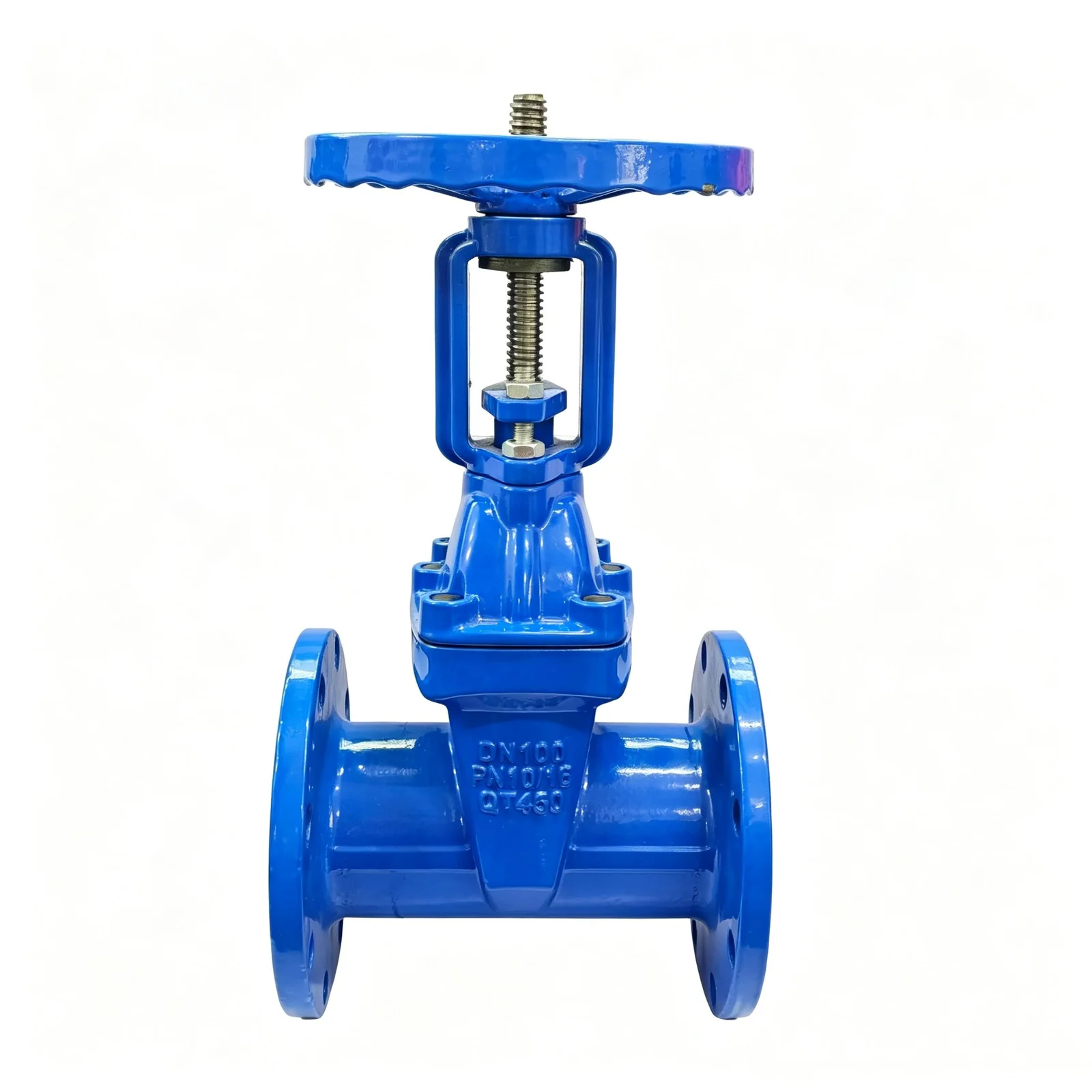
Z41X Ductile Iron Gate Valve
QT450-10 body, EPDM wedge, PN10 / PN16
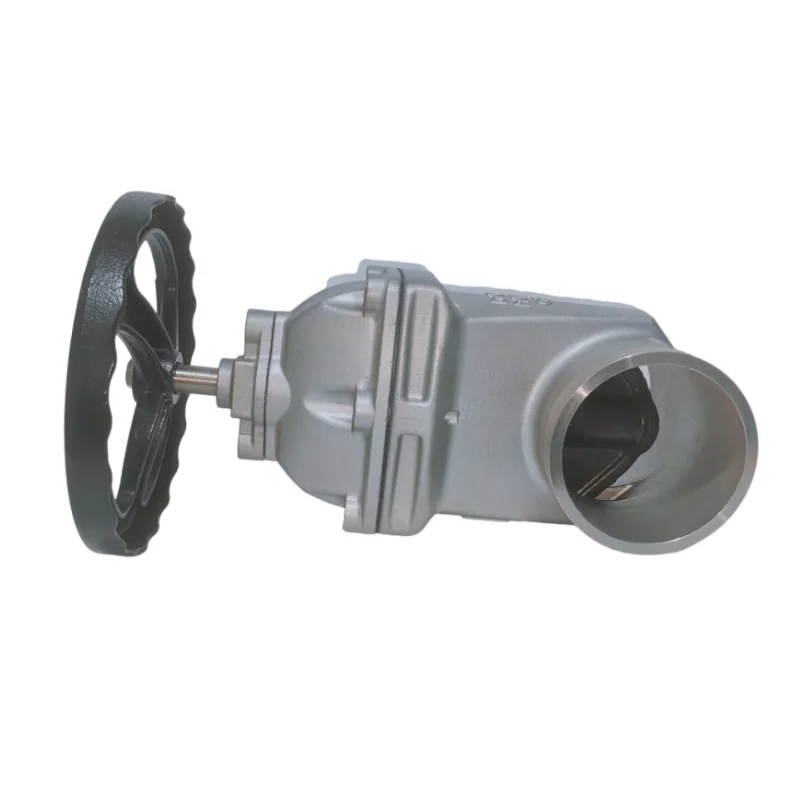
Z85X Stainless Grooved Gate Valve
CF8M body, DN40-DN300, grooved
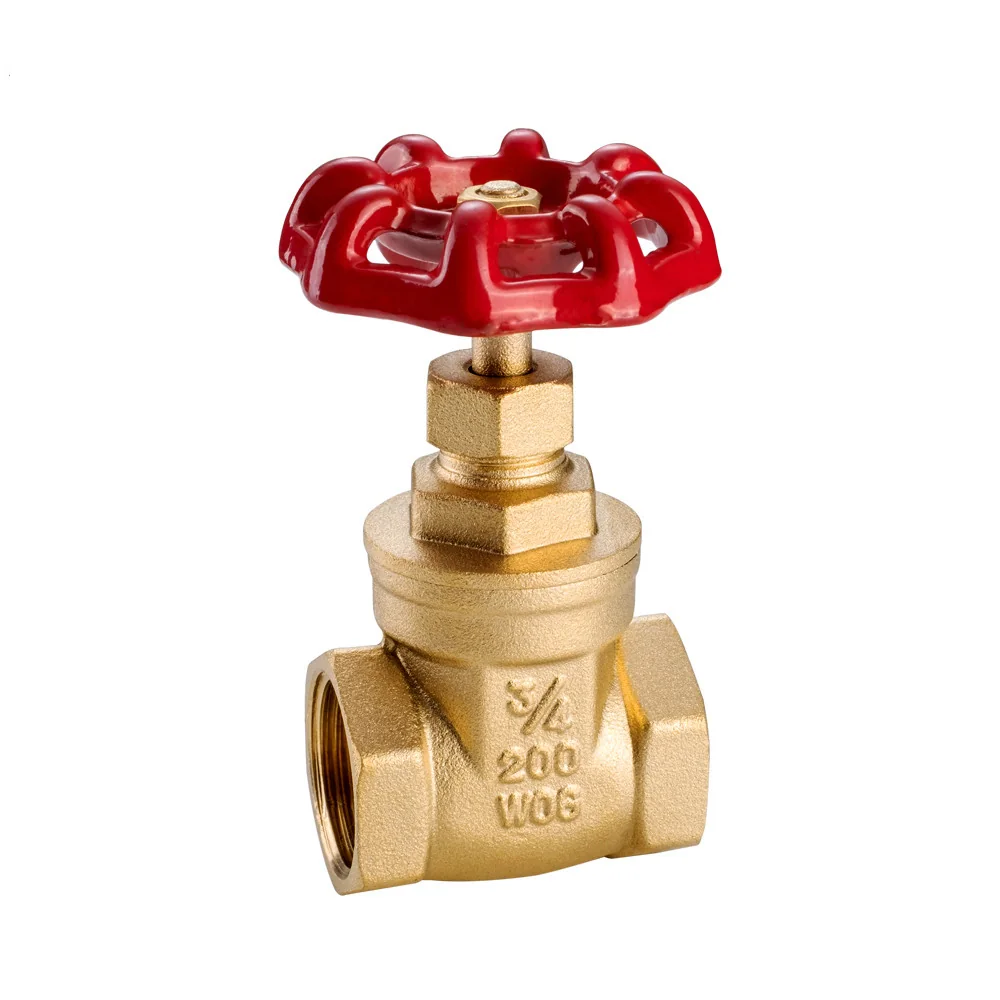
Z15W-16T Forged Brass Gate Valve
DN15-DN100, 200 WOG, NPT ends
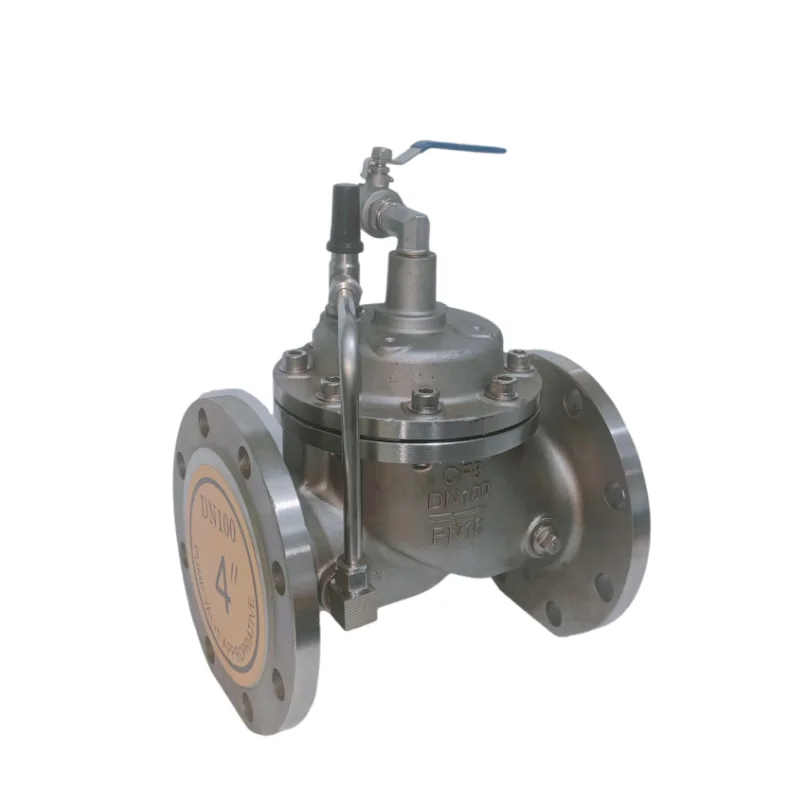
100X-16P Float Control Valve
CF8 body, DN40-DN300, -50°C to 100°C
1. Why Body Material Decides Service Life
A valve fails in one of two ways: the seal stops sealing, which is a wear problem, or the body stops containing the fluid, which is a safety problem. The second is what the body material decides, and it is why selection is a design decision rather than a purchasing preference.
Water is a mild medium and a patient one. Corrosion rarely bursts a valve in the first year; it thins a wall, pits a casting and produces a pinhole at the worst moment. Mechanical damage is faster — water hammer from a fast-closing valve, a pump start with a slamming check valve, ground settlement on a buried main. A brittle body survives none of those gracefully; a ductile one deforms and stays in one piece.
Fire protection leaves less margin. A valve on a riser is operated rarely, sits for years and must work first time, so material choices tuned for continuous duty are not automatically right. That is why fire valves are built in nodular iron with resilient seats and carry a listing — and why the Z41X resilient seat gate valve keeps the same QT450-10 body and EPDM wedge across DN50 to DN700 rather than changing material at a size threshold.
2. The Five Body Materials
Gray cast iron. Cheap, easy to cast and adequate for static low-pressure water in heating and HVAC circuits. Flake graphite gives it almost no elongation, so it cracks rather than bends under shock, thermal cycling or uneven bolt load. Right for a heated plant room, wrong for a fire main, a buried line, or anything that sees surge.
Ductile iron, QT450-10. The default for water and fire valves in the sizes most projects use. The grade designation is the guarantee: minimum 450 MPa tensile strength and 10% elongation, which lets a body absorb surge and handling without cracking. It machines well, takes an epoxy lining cleanly and holds its pressure class comfortably. Our SGL41H telescopic Y-strainer uses the same QT450-10 casting with an epoxy finish, which is typical of how a water package is built from one body family.
Cast carbon steel, WCB. Stronger and tougher than iron and, critically, able to take temperature: the flanged bellows seal gate valve we build in WCB or forged A105 is rated -29°C to 425°C for steam, thermal oil and high-temperature water. It is not an ordinary water-valve material — unprotected carbon steel rusts — so it belongs on dry, hot, non-aggressive service where temperature is the reason it was chosen.
Cast stainless, CF8 and CF8M. CF8 is the cast 304 equivalent; CF8M is cast 316 with molybdenum for chloride resistance. Both appear where the medium attacks iron: demineralized water, chemical process water, food duty, brackish and light seawater. Our Z85X grooved gate valve in CF8M and the 100X-16P float valve in CF8 are chosen for the medium rather than for pressure. Stainless is not automatically better: it suffers chloride stress corrosion cracking in hot water, galls on threads and couples badly with carbon steel in a wet environment.
Forged brass. For small-bore water, oil and gas lines up to DN100, a forged brass body such as the Z15W-16T is compact, stable and easy to thread, rated 1.6 MPa (200 WOG) with NPT ends. Two caveats decide suitability: dezincification in aggressive or high-chloride water, which needs a dezincification-resistant grade, and lead content, which is restricted for potable water in many markets.
3. Seat and Trim Materials
The body contains pressure; the seat decides whether the valve does its job. This is where most specification errors land, because "resilient seat" on a datasheet has told you very little.
- EPDM. The workhorse for water: good compression set, wide tolerance, bubble-tight closure against a machined seat at modest torque. Not for oils or hydrocarbon solvents, and its ceiling in these products is around 80°C.
- NBR. Chosen for oils, fuels and greases, where EPDM would swell. A poorer choice for hot water, and it ages badly under ozone.
- PTFE. Chemically inert across a wide range and usable above elastomer temperatures, so it suits aggressive media and seats that must not stick. Its weaknesses are creep under sustained load and a higher seating force.
- Metal seats. Stellite or hardened stainless faces where neither elastomer nor PTFE survives: steam, thermal oil, abrasion. A metal seat does not conform, so a small leakage rate is normal and should be agreed at order stage.
Trim follows one level down. Stems and stem nuts are the parts that corrode quietly inside a valve nobody opens: our ductile iron water valves use a 2Cr13 or 304 stem with a bronze stem nut, while the bellows seal valve uses a 304 or 316Ti bellows with a Stellite or 304 hard-faced disc. On a hot line the bellows alloy and its weld matter more than the body grade, because a bellows failure is a fugitive emission rather than a drip.
4. Coatings and Linings
On an iron valve the coating is part of the corrosion protection, not decoration. A liquid or fusion-bonded epoxy lining gives a smooth waterway, limits tuberculation and protects the casting inside; on the outside it resists plant-room humidity. For potable water the coating must be approved under the scheme the project is built to, and the dry film thickness and holiday test must be recorded — a coating specification without a measured thickness is a promise.
A polyester powder coat is the practical choice for external protection and color coding, which is why fire equipment is normally red. It is harder and more UV-stable than thin liquid paint, but also thicker, so it must not build up on flange faces or across a seat edge.
Two details separate a good coating job from a bad. Coating must be masked at flange faces, gasket surfaces and the seat, because a few tenths of a millimeter changes the joint and the sealing dimension. And the test report should post-date the coating, so a weep is not painted over. For genuinely aggressive media — seawater, brine, some chemicals — a coating is not enough; a rubber-lined or stainless body is the correct answer, because paint does not restore the corrosion resistance of the metal under it once the film is damaged.
5. Matching Material to Media
The table is a starting point for a specification discussion, not a substitute for one. The final choice belongs to the piping designer with the water analysis, and to the authority having jurisdiction on fire systems.
| Medium | Typical body | Seat / trim | What to watch |
|---|---|---|---|
| Potable water | Ductile iron with approved epoxy; CF8/CF8M; low-lead brass in small sizes | EPDM seat, stainless stem | Coating approval, lead in brass, stagnation and biofilm |
| Fire water (wet) | Nodular iron, listed for fire service | EPDM resilient seat, rising stem | Listing must cover the exact model; grooved vs flanged ends |
| Seawater / brackish | CF8M minimum; rubber-lined iron in larger sizes | PTFE or EPDM, non-metallic trim where possible | Chlorides, velocity, crevice corrosion, galvanic couple |
| Steam / thermal oil | WCB or forged A105, bellows seal | Metal seat, Stellite or hardened stainless; SS bellows | Temperature rating, condensate corrosion, fugitive emission |
| HVAC hot and chilled | Ductile iron; cast iron in low-pressure closed loops | EPDM lining or seat | Glycol concentration, cycling, insulation hiding a leak |
| Sewage / slurry | Ductile iron, flat-bottom or non-clogging design | EPDM or NBR, abrasion resistant | Solids trapping, elastomer abrasion, sediment at the seat |
On the fire water row, material and listing travel together. A ductile iron gate valve in the right grade but without a fire-service listing is not a substitute for a listed valve, and an authority having jurisdiction will treat it as unapproved. The guide to choosing UL listed fire valves sets out what the listing covers.
6. Cost, Lead Time and the Checklist
Material cost ranks as you would expect: gray iron lowest, ductile iron next, forged brass and cast steel in the middle, cast stainless highest. What surprises buyers is how much of the total is driven by machining and availability rather than the metal. Stainless machines more slowly, wears tooling faster and is produced in a narrower size range, so the lead-time penalty can matter more than the price difference.
Two trade-offs matter. Upgrading the body rarely fixes a seat problem: if the valve leaks because the elastomer is wrong for the temperature, a stainless body will leak just as well. And going far beyond the requirement creates sourcing risk — a DN500 stainless gate valve is a different procurement problem from a DN500 ductile iron one. Specify what the medium needs and put the money into the parts that fail.
- Medium and analysis. Not "water" but potable, raw, brackish or seawater, with chloride level and pH where known.
- Temperature and cycling. Minimum, maximum, and how often the line swings between them.
- Pressure and surge. Working pressure, plus whether water hammer is credible on the line.
- Body grade by designation. QT450-10, WCB, CF8, CF8M — not "cast iron" or "stainless".
- Seat, trim and temperature together. EPDM, NBR, PTFE or metal, plus the stem grade.
- Coating and approval. Lining type, dry film thickness, potable water approval reference.
- Standard and documentation. Design standard, fire listing where relevant, and the certificate package described in our B2B valve sourcing checklist.
For steam or thermal oil rather than water, the bellows seal gate valve guide explains why that design replaces a packed gland, and the check valve types guide shows how closure design changes the material question on a pump discharge.
Frequently Asked Questions
Is ductile iron the same as cast iron? +
No, and the difference is structural. Gray cast iron contains flake graphite, which acts as a stress raiser and makes the material brittle in tension. Ductile iron is treated so the graphite forms nodules, which is why it carries strength and elongation together: the QT450-10 grade in our water valves specifies 450 MPa minimum tensile strength and 10% minimum elongation.
Can I use a ductile iron valve on seawater? +
Not unlined, and not as a first choice. Iron corrodes in seawater at a rate that turns wall loss into a maintenance item. CF8M (316) stainless is the usual minimum for brackish water and light seawater duty, with PTFE or a metal seat; continuous seawater at higher velocity usually needs a higher-alloy stainless or a rubber-lined body. The piping designer decides, not the catalogue.
WCB or CF8M for a steam line? +
For dry saturated or superheated steam the usual choice is cast carbon steel such as WCB with a metal seat, which is what our flanged bellows seal gate valve is built for across its -29°C to 425°C range. Austenitic stainless expands more and is vulnerable to chloride stress corrosion cracking, so it is not an automatic upgrade. On wet or corrosive steam the trim and bellows alloy usually matter more than the body grade.
Is EPDM suitable for hot water? +
Within limits. The EPDM wedge in our Z41X gate valve is rated for media from 0°C to 80°C, which covers domestic hot water, HVAC and most fire protection work but not steam or high-temperature process water. Above that, the choice moves to PTFE or a metal seat, and EPDM should not be used with oils or hydrocarbon solvents at all.
Does the internal coating matter for potable water? +
It matters more than the body material in many approvals. A potable water contact coating must be approved under the scheme the project is built to, applied at the specified dry film thickness, holiday tested, and masked at seat and flange faces so sealing dimensions are not altered. Ask for the coating data sheet and approval reference; an unapproved epoxy will be rejected at commissioning.
Why not specify stainless steel everywhere? +
Cost and lead time are the obvious reasons, but not the only ones. Austenitic stainless costs more per kilogram, machines more slowly, is less available above DN300, and brings its own risks: chloride stress corrosion cracking in hot water, galvanic attack where it couples to carbon steel, and galling on threaded joints. Matching the material to the medium usually produces a cheaper valve that lasts longer.
Need Help Matching Material to the Medium?
Send the medium, chloride level, temperature range and pressure class — we confirm the body, seat and coating combination.