
Supplier Comparison Guide · LatAm
Wanlian Fluid vs Tupy: Fire Equipment & Ductile Iron Valves for Latin American Projects (2026)
Tupy is the name most Brazilian water utilities reach for when the scope is ductile iron pipe, fittings and brass valves — a regional industrial group with a 1938 founding date and plants across Brazil. Wanlian Fluid is a Chinese fire-protection and fluid-control manufacturer that competes only in the valve slice and owns the fire side of the scope: hydrants, alarm valves, hose, extinguishers. If your project mixes water infrastructure with fire infrastructure, the decision is less "Tupy or Wanlian" and more "which scope line does each one carry" — this guide maps that out from what each company actually publishes.
Evidence note: Company facts below are taken from each company's published materials (Tupy's corporate history and TupyValves product pages; Wanlian's product data, test practice and certificate pages). Where the two ranges do not overlap, this guide says so plainly — the honest answer to most of this comparison is "different jobs."
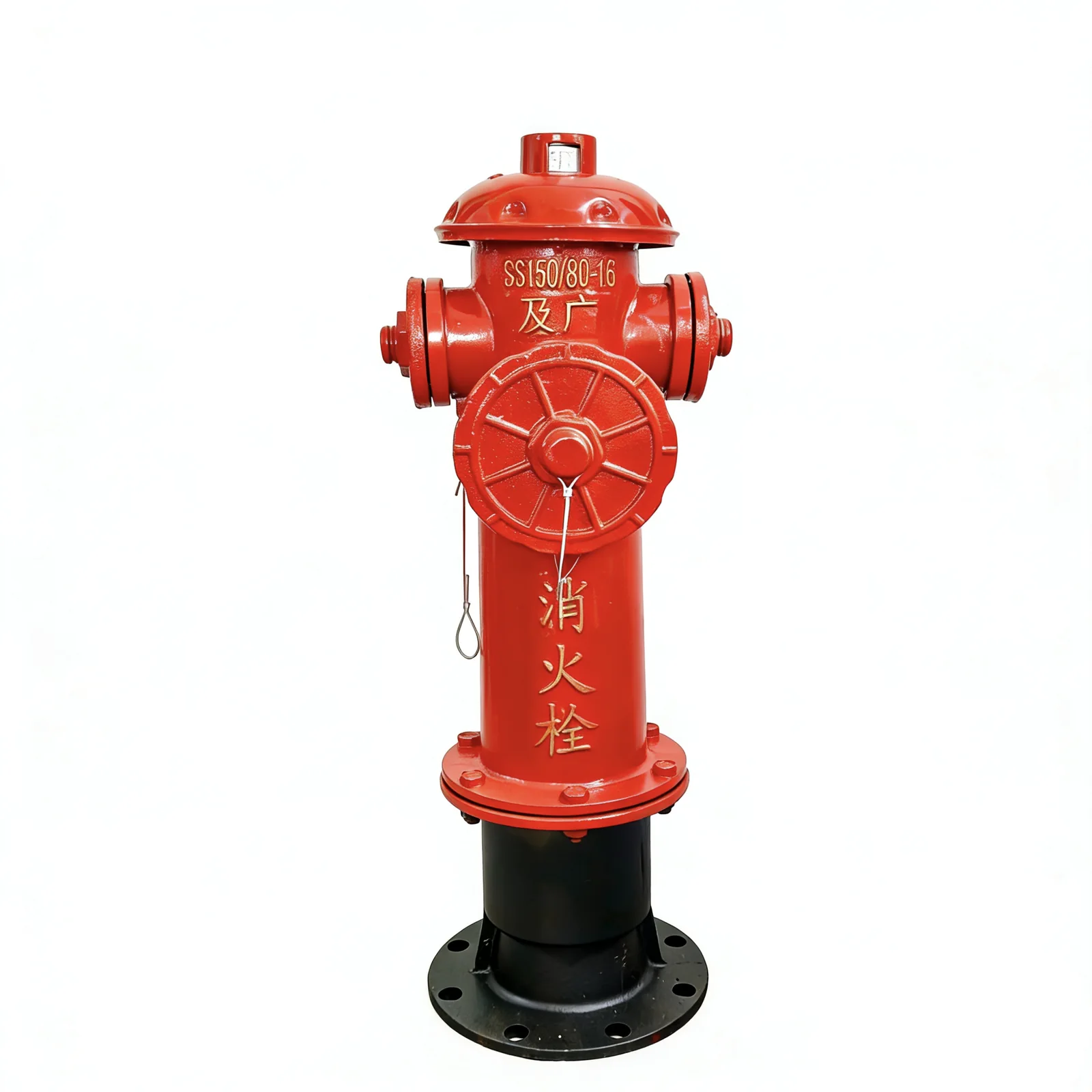
Overground Antifreeze Fire Hydrant (SS100/65)
Dry-barrel antifreeze hydrant for municipal fire networks
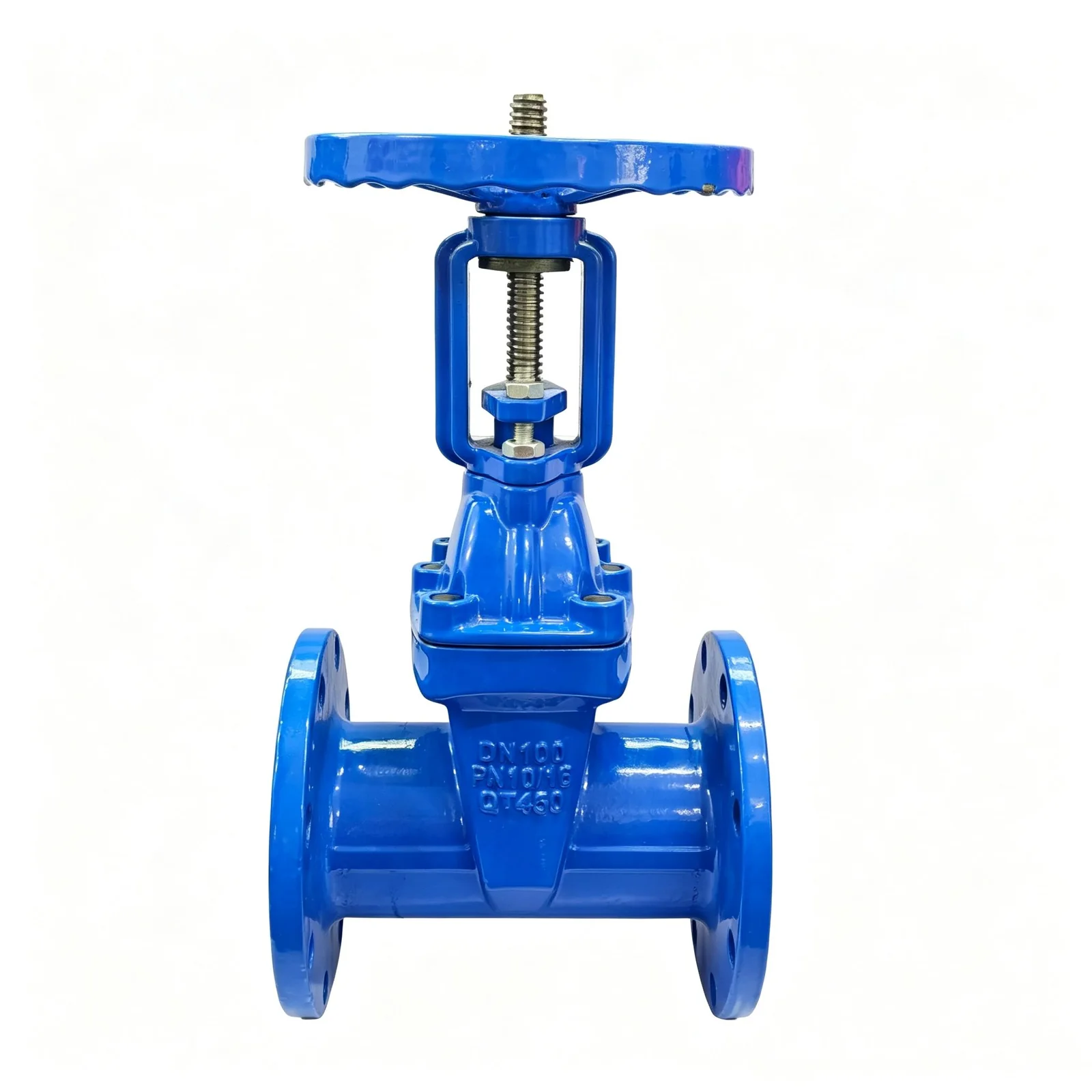
Resilient Seat Flanged Gate Valve (Z41X)
DN50-DN700 isolation valve for water & fire mains
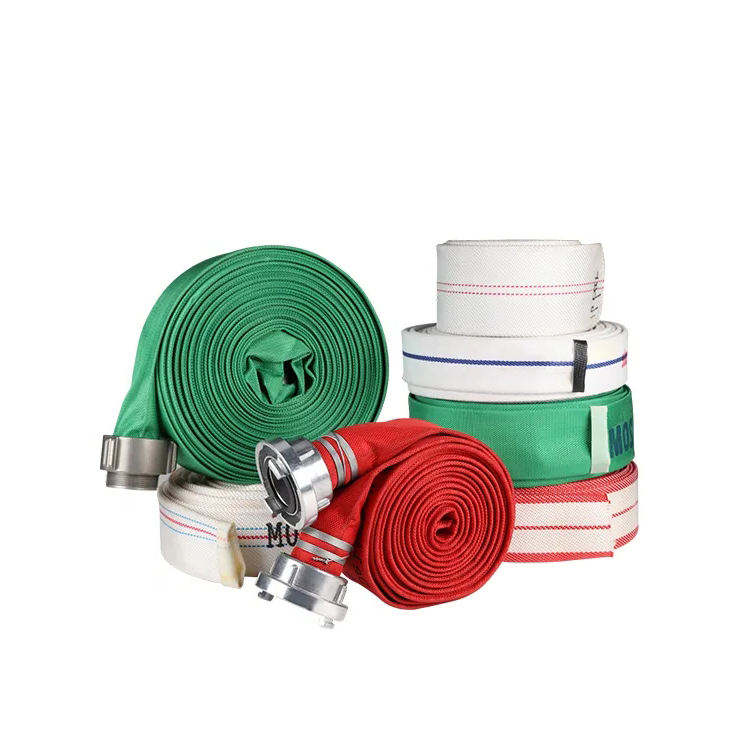
Rubber Lined Layflat Fire Hose (8-65)
Municipal fleet hose with matched coupling patterns
1. Tupy: What They Actually Are
Tupy was founded in 1938 by German immigrants; the first plant is in Joinville (Santa Catarina, Brazil), with further plants in São Paulo and other Brazilian states. Over the decades it grew into a diversified industrial group, and the fluid-handling side of the business — the Tupy Valves / fittings range — is built on ductile iron: continuous cast iron bar, pipe and fittings, plus a brass valve family.
The published TupyValves range is brass valves to EN 12420 (CW1617N), made per ABNT NBR 14788 and EN 13828, at PN25, PN30 or PN40 service pressures, with threaded ends per ABNT NBR-8133 and ISO 228, chrome-plated steel ball seats with PTFE coating and nickel-plated finish. Stated applications are water, compressed air, oil and hydraulic service across industry, civil construction and sanitation. Tupy also publishes engineering tooling (TupyCAD with an integrated quotation flow and electronic catalogs) aimed at specifying engineers. The through-line: Tupy is a regional infrastructure supplier, strongest where the project is Brazilian, the standard is ABNT and local presence matters.
2. Wanlian Fluid: What We Actually Are
Quanzhou Wanlian Fluid Equipment Co., Ltd is a Chinese manufacturer and exporter in Quanzhou, Fujian — the core cluster of China's valve industry. Production runs on its own lines under an ISO 9001 quality-management system, with selected items made by qualified manufacturing partners, stated openly per order. Every unit is shell pressure- and air-leakage-tested before shipment, with per-unit records.
The published range spans six lines and 45 models: fire hydrants and pump connections (the SS100/65 overground antifreeze hydrant, anti-collision SSFT100, IoT smart SS100ZN, SA underground, SN65 indoor heads, SQD100 siamese); sprinkler and alarm valves (ZSFZ wet, ZSFC dry, ZSFM deluge, ZSFY pre-action, heads, flow indicators); fire-protection and industrial valves (resilient seat gate, telescopic gate, OS&Y, butterfly, check, strainer, digital balancing); hydraulic control valves (500X, 100X, F745X, HS41X, EN 12845 suction vortex preventer); fire monitors (manual PS, auto-tracking ZDMS); and firefighting accessories (rubber-lined fire hose, Storz and HS couplings, hose reels, extinguishers and cabinets). OEM/ODM, a 12-hour quote response, and the full site in five languages (EN/ES/RU/FR/AR) round it out.
3. How Do Their Product Lines Compare?
| Scope line | Tupy | Wanlian Fluid |
|---|---|---|
| Ductile iron pipe & fittings | Core business (continuous cast iron bar, pipe, fittings) | Not offered |
| Brass valves (PN25-40) | TupyValves, EN 12420, ABNT NBR 14788 / EN 13828 | Small brass range (e.g. Z15W-16T ANSI forged brass) |
| Iron gate / butterfly / check valves | Water-service range for distribution | Full range incl. resilient seat Z41X, telescopic Z41X-T, OS&Y, D71X, HQ44X — DN50-DN700 |
| Fire hydrants | Not a core published line | Core line: dry/wet barrel, anti-collision, IoT smart, indoor heads, siamese |
| Sprinkler & alarm valves | Not in published range | Core line: ZSFZ/ZSFC/ZSFM/ZSFY groups, heads, flow indicators |
| Fire hose, couplings, extinguishers | Not in published range | Core line: rubber-lined hose, Storz/HS couplings, reels, cabinets, ABC extinguishers |
| Hydraulic control (PRV, level, backflow) | Not a highlighted line | Core line: 500X, 100X, F745X, HS41X, EN 12845 preventer |
| Typical geography | Brazil & LatAm (regional footprint) | Export worldwide (Asia, LatAm, MEA, Europe, Americas) |
Read the table and the shape of the competition appears: one shared cell (iron/brass water valves) and everything else separated by scope.
4. Ductile Iron & Brass Valves: The Real Overlap
This is the only line where a buyer can genuinely put both quotes side by side. Tupy's brass valves run PN25–PN40 to EN 12420 with threaded ends — sized for building and distribution service in the Brazilian standard environment. Wanlian's iron valve range runs wider in size (the Z41X reaches DN700 at PN10/PN16 with a fully EPDM-encapsulated, on-line re-seatable wedge) and covers the fire and hydraulic side as well: OS&Y control valves for sprinkler mains, check valves, pressure reducing and level control.
The deciding variables for the shared cell: the applicable standard in the tender (ABNT vs AWWA vs EN — name it per model), the pressure class needed (Tupy's PN25-40 brass covers higher-pressure building service; Wanlian's iron range is PN10-PN16 standard with higher classes available per model), and delivery economics (a regional factory with local stock versus an export quote — freight and Incoterm included). For a like-for-like comparison, send both the same model, standard, quantity and Incoterm, and compare itemized quotes only.
5. Geography, Standards & Service Footprint
Tupy's advantage is physical: plants in Brazil, a supply base built around the regional market, and an engineering/quote toolchain aimed at local specifying practice. For a utility in São Paulo or Joinville, Tupy is minutes, not months, away for parts and support. Wanlian Fluid's footprint is export-driven: Quanzhou production, 12-hour quotations, per-unit test records with every shipment, OEM/ODM branding, and documentation in five languages. The two footprints answer different questions — "who is next door" versus "who can ship the complete scope" — and neither is a defect.
On standards: Tupy publishes ABNT NBR 14788 / EN 13828 compliance for its brass range; Wanlian manufactures to GB, AWWA, ISO 5208, EN and regional regimes as specified per model — the standards guide is the reference for how to verify each claim against a test report before money moves, and the LatAm certification guide maps the NOM/ABNT/UL landscape for fire equipment specifically.
6. Where Each Manufacturer Wins
Tupy wins when…
- The scope is ductile iron pipe, fittings and water-service valves for a Brazilian utility
- ABNT-standard brass valves at PN25-40 with regional stock and local service
- Proximity, response inside Brazil and local commercial terms matter more than unit price
- The project needs the TupyCAD/catalog tooling in the specifying workflow
Wanlian Fluid wins when…
- The scope includes the fire side: hydrants, alarm valves, hose, couplings, extinguishers
- One PO must cover valves + hydrants + hose with matching outlet patterns
- Destination is outside Brazil, or the tender is AWWA/EN/GB-based
- OEM/ODM branding, IoT hydrants or hydraulic control valves are in the BOQ
7. Which One Should You Choose?
The short version: Tupy for the Brazilian water-infrastructure cell; Wanlian Fluid for the fire cell and for export scopes that cross it. A utility rebuilding a distribution network in the south of Brazil is best served by the regional ductile iron house. A contractor executing a fire-protection scope — or a combined water-and-fire municipal package for any LatAm country — is best served by the fire specialist that can ship hydrants, valves and hose with one reconciled test-record set. And when a single project needs both, the professional move is not to force one supplier into a scope it does not publish — it is to define the interface (flanges, coupling patterns, standards, test documentation) in writing before either PO is placed.
Whatever you choose, verify before you commit: ISO 9001 scope, per-model certificates, batch test records, a sample unit and third-party inspection. The full sequence is in the supplier verification guide.
Frequently Asked Questions
Are Wanlian Fluid and Tupy related companies? +
No. Tupy is a Brazilian industrial group founded in 1938 in Joinville, Santa Catarina, with plants across Brazil, focused on ductile iron pipe, fittings and valves for water and industry. Wanlian Fluid is Quanzhou Wanlian Fluid Equipment Co., Ltd, a Chinese manufacturer and exporter of fire-protection and fluid-control equipment. They are independent companies that only overlap in a narrow slice of water valves.
Where do Tupy and Wanlian Fluid actually compete? +
The direct overlap is water-service valves: Tupy's brass TupyValves (EN 12420, PN25/30/40) and ductile iron valve range versus Wanlian's gate, butterfly, check and hydraulic control valves (PN10-PN25 and ANSI classes). Outside that slice the catalogs barely meet — Tupy is strong in ductile iron pipe and fittings, while Wanlian is strong in fire-protection-specialized equipment: hydrants, alarm valves, fire hose and extinguishers.
Can Tupy supply fire hydrants and alarm valves? +
Tupy's published range is centered on ductile iron pipe, fittings and brass valves for water, air and oil service. Fire-protection-specialized items — dry-barrel hydrants, anti-collision hydrants, wet alarm valve groups, siamese connections, rubber-lined fire hose — are Wanlian's core lines. For a full fire scope, the single-source advantage sits with the fire specialist.
Which choice is better for a Brazilian or LatAm municipal project? +
If the scope is ductile iron pipe and water valves with local service in Brazil, Tupy's regional footprint is the natural fit. If the scope is the fire side of the project — hydrants, isolation valves, hose and the fleet couplings — Wanlian Fluid ships the complete fire package on one PO with the outlet coupling pattern matched to your fire fleet, in AWWA, NOM or ABNT-aligned configurations per model.
Can the two be combined in one project? +
Yes — many LatAm infrastructure projects pair a regional pipe/valve supplier with an export specialist for the fire scope. The coordination risk is the interfaces: agree the flange standards, outlet coupling patterns and test documentation across both POs before ordering, which is exactly what our sourcing guide's verification sequence covers.
Sources
- Tupy corporate history and product pages — tupy.com.br (founding 1938, Joinville/SC; TupyValves: EN 12420, ABNT NBR 14788 / EN 13828, PN25/30/40, applications)
- Wanlian Fluid product data, about page and certificates page — wanlian911.com (range, test practice, per-model certification wording)
- Standards references: AWWA C502/C515, EN 14384, EN 1074/12266-1, ABNT NBR 14788, ISO 5208 as applicable per destination
Company facts reflect each company's published materials as of September 2026. Both manufacturers' ranges change — confirm the current catalog before final specification. This comparison is for procurement planning and is not an endorsement of either company.
Get the Fire Side of Your Scope Quoted Today
Send your hydrant, valve and hose line items with the destination standard — we return an itemized quote with per-model documentation within 12 hours.