
Hydraulic Safety
Hydraulic Water Level Control Valve (F745X)
F745X Hydraulic Water Level Control Valve automatically maintains a preset water level in reservoirs, water tanks, and water towers. It prevents overflow or extremely low water levels using advanced hydraulic pilot control.
- Nominal Diameter
- DN50 - DN400
- Working Pressure
- 1.0 MPa / 1.6 MPa
- Standard
- GB / ANSI / DIN / JIS per project specification; type-test and certification documents available on request
- Body Material
- Ductile Iron / Cast Steel
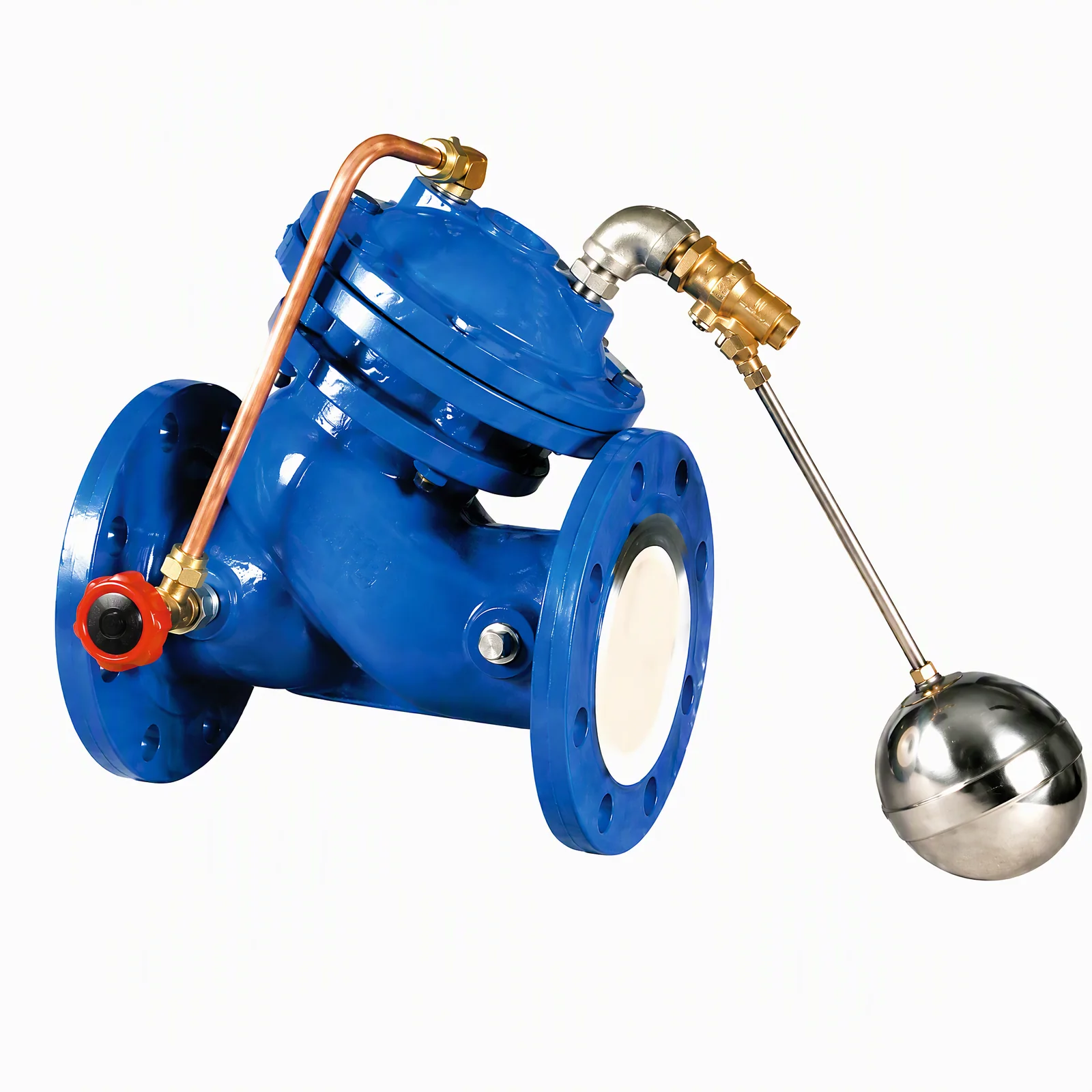
Key Features
- Driven entirely by pipeline pressure, no external electric power required
- Smooth, slow-closing mechanism prevents destructive water hammer
- Accurate level control, highly reliable float pilot system
- Corrosion-resistant copper/stainless steel pilot piping
Parts & Materials List
| Component | Material |
|---|---|
| Main Valve Body | Ductile Iron (QT450-10) |
| Diaphragm Assembly | Nylon Reinforced EPDM Rubber |
| Stem & Spring | Stainless Steel 304 |
| Float Pilot Valve | Solid Brass Alloy |
| Needle & Ball Valves | Stainless Steel / Brass |
Applications
- Water reservoir level control
- Pressure management in water networks
- Drinking water backflow protection
- Pump suction protection
Quality & Testing
Function and pressure tests per applicable standards; diaphragm and seal assemblies tested for durability.
Frequently Asked Questions
Do hydraulic control valves require electrical power?
Most hydraulic control valves (e.g. F745X level control, 500X pressure reducing) are fully self-operated by pipeline pressure and require no external power. Solenoid-controlled models such as GKZF-1 use AC220V or DC24V.
What is the pressure adjustment range of the 500X valve?
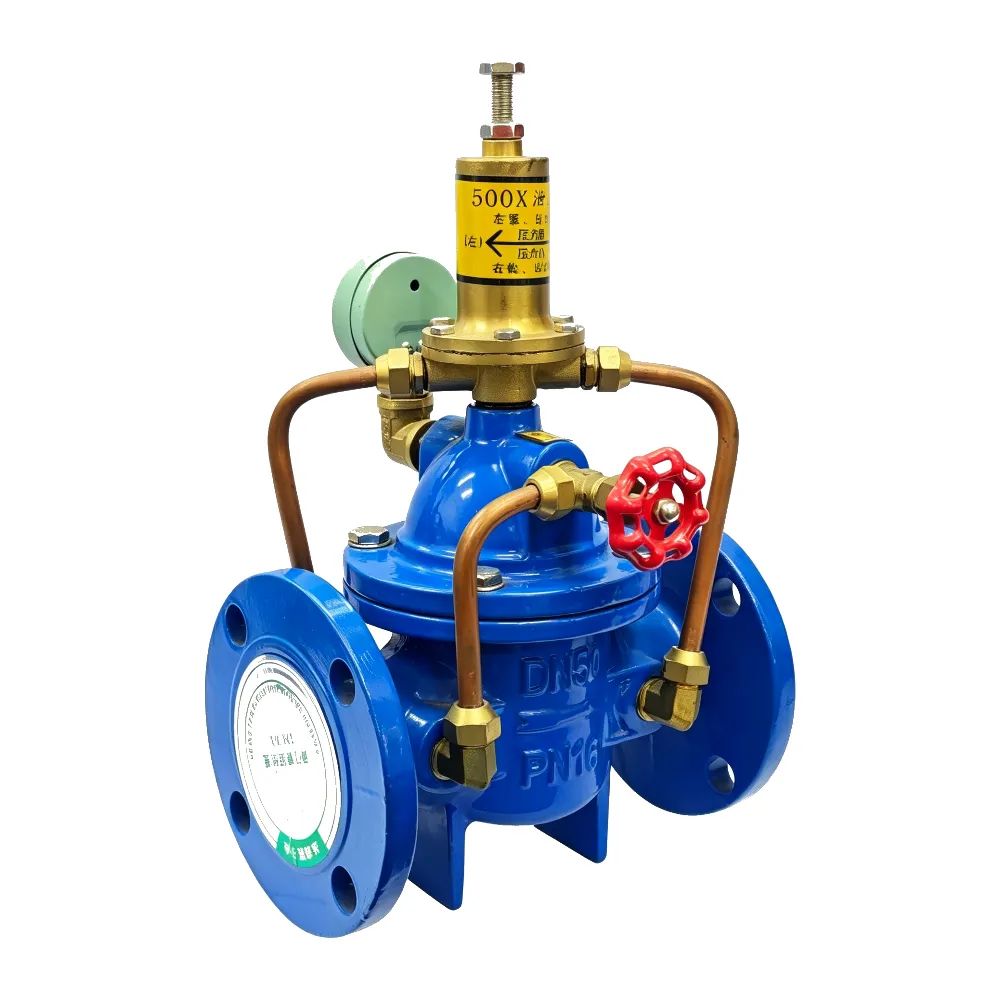
The 500X pressure reducing valve adjusts downstream pressure from 0.1 MPa to 1.6 MPa and works with inlet pressures up to the nominal rating (PN10/PN16/PN25).
What materials are used for potable water applications?
For drinking water networks, models such as the HS41X backflow preventer use ductile iron bodies with EPDM seals and stainless steel internals, compliant with GB/T17219 sanitary requirements.
How is water hammer prevented in hydraulic valves?
Pilot-controlled valves close smoothly and slowly, which avoids sudden pressure surges. Needle valves allow adjustment of the closing speed to match the specific pipeline conditions.
Related Buying Guides
Buying Guide
Water Level Control Valve Guide: F745X, 100X and the Tank Fill Circuit
How a hydraulic water level control valve holds a tank level, how to size an F745X or 100X float valve, and exactly what to put on the RFQ.
Read Guide Buying GuidePressure Reducing Valve Guide: 500X Hydraulic PRV
How pilot-operated PRVs protect downstream equipment, adjust set pressure and prevent water hammer.
Read Guide Buying GuideBackflow Prevention Guide
When potable water networks need double check assemblies and how HS41X protects against backflow.
Read GuideRelated Products
 Hydraulic Safety
Hydraulic Adjustable Pressure Reducing Valve (500X)
View Details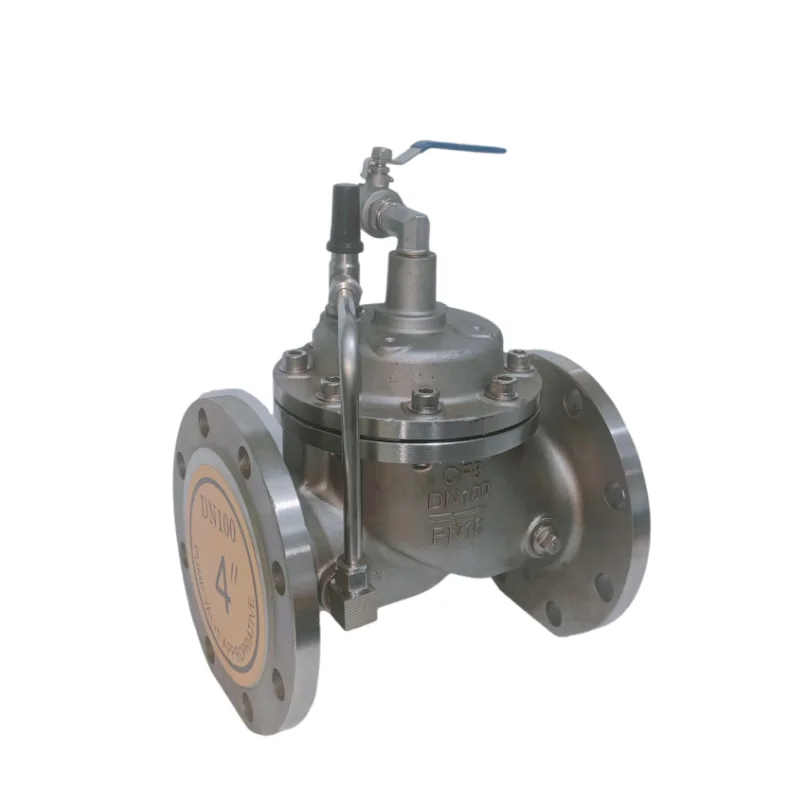 Hydraulic Safety
Stainless Steel Remote Control Float Valve (100X-16P)
View Details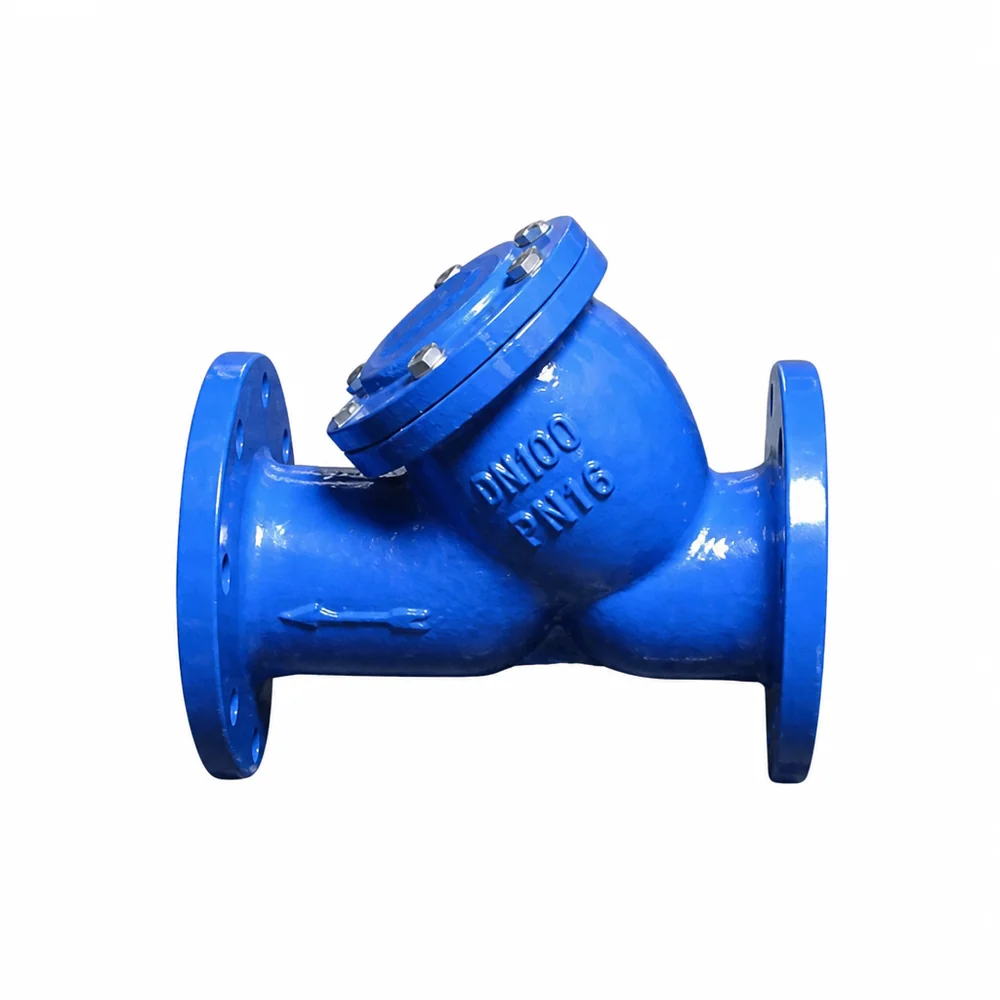 Valves & Parts
Telescopic Y-Strainer (SGL41H)
View Details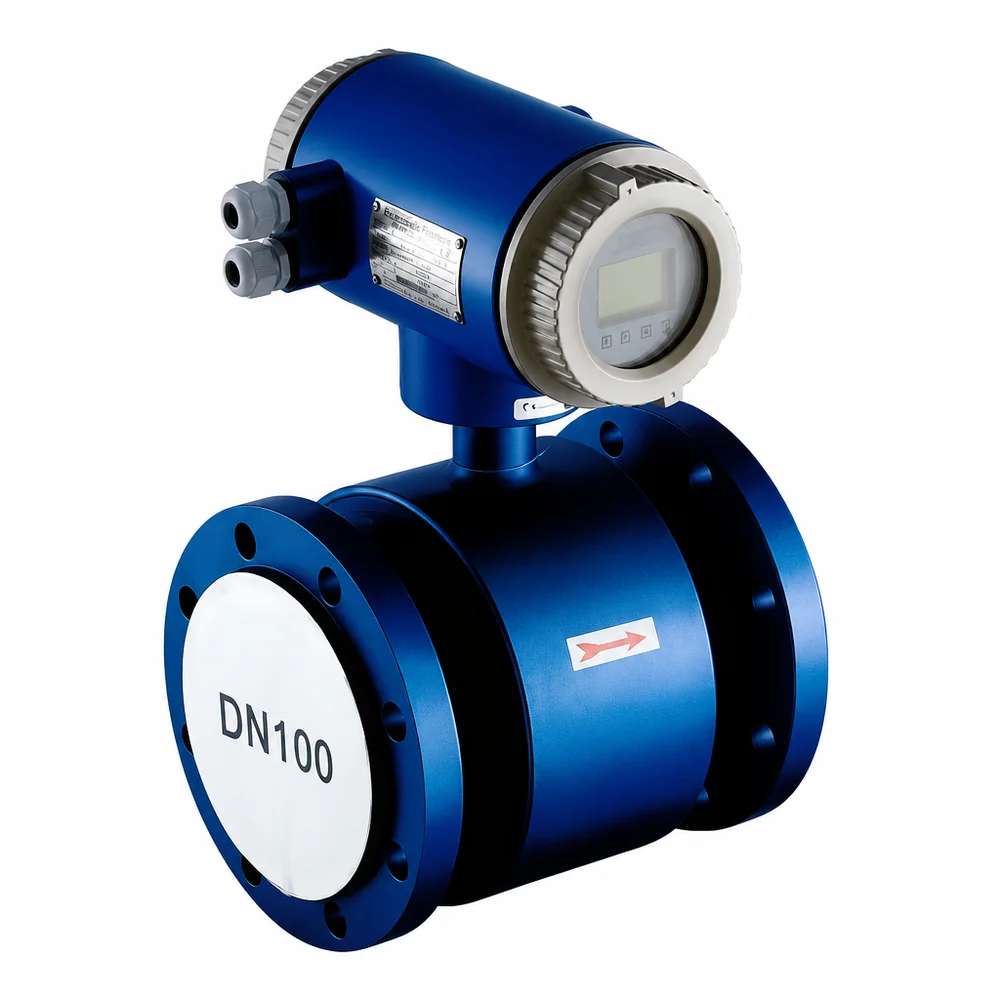 Hydraulic Safety
Smart Electromagnetic Flow Meter (DN100)
View Details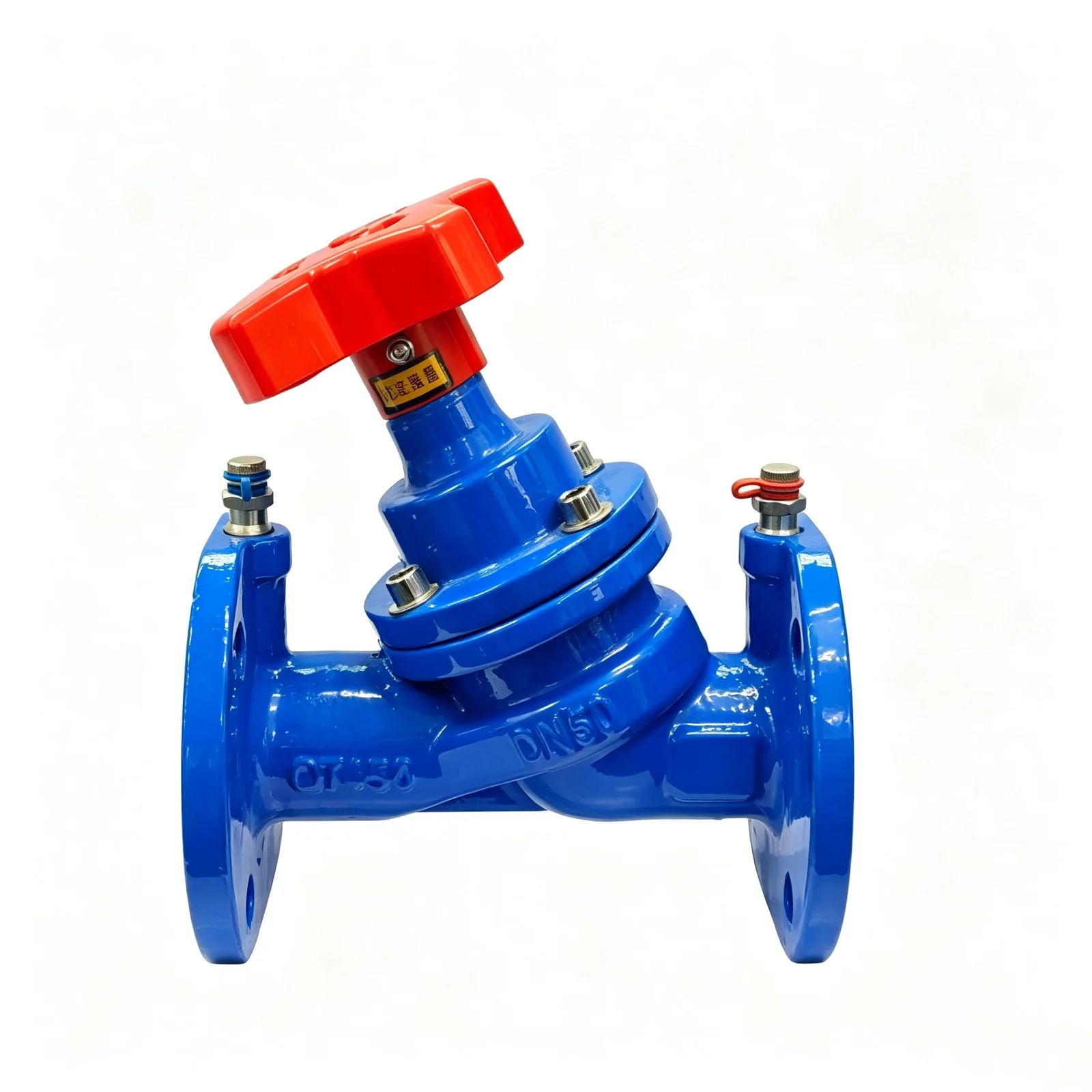 Valves & Parts