Valves & Parts
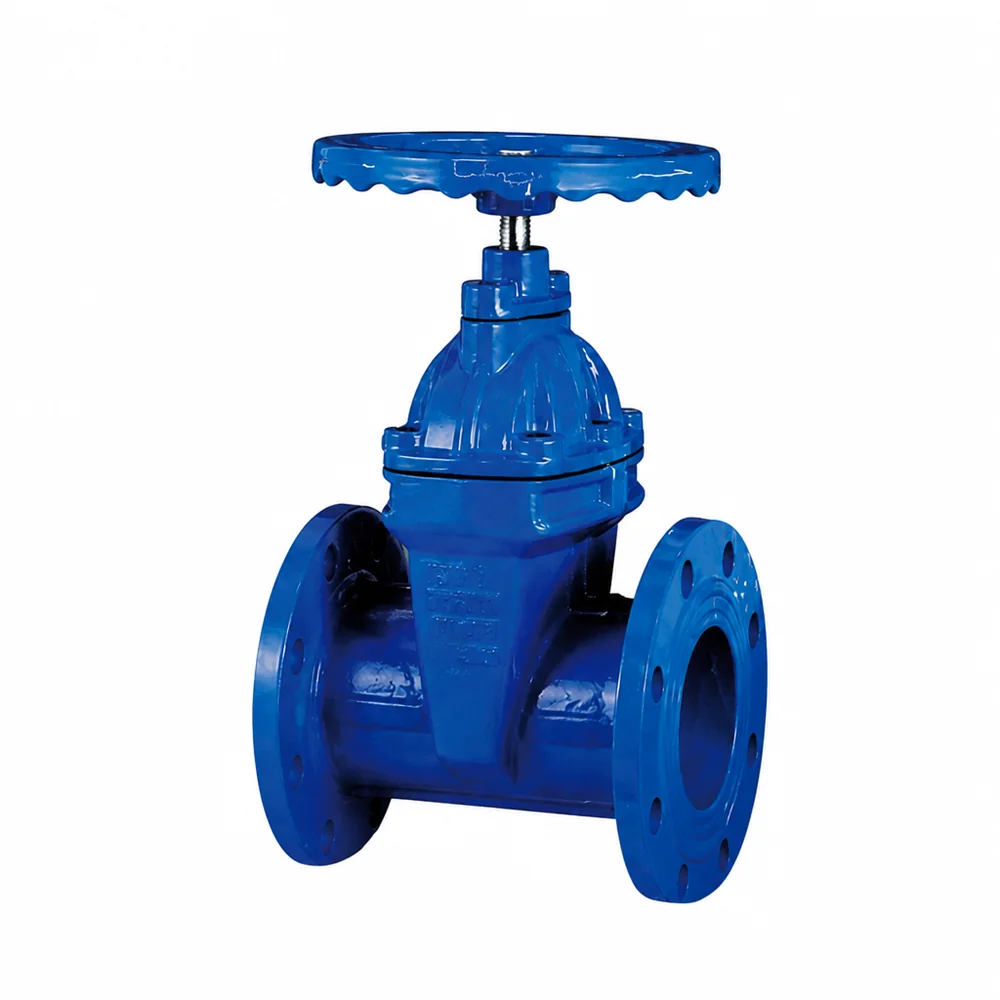
Telescopic Resilient Seat Gate Valve
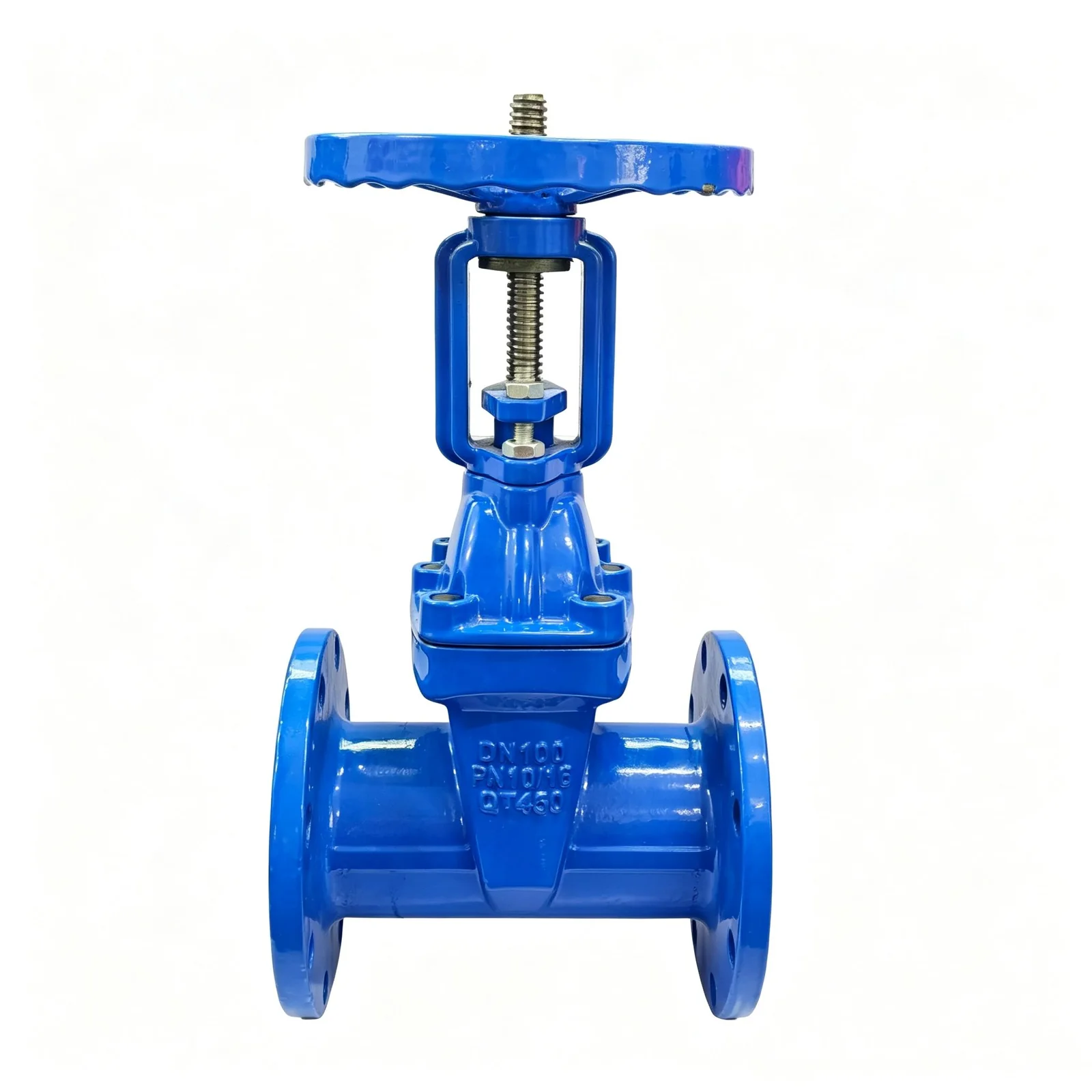
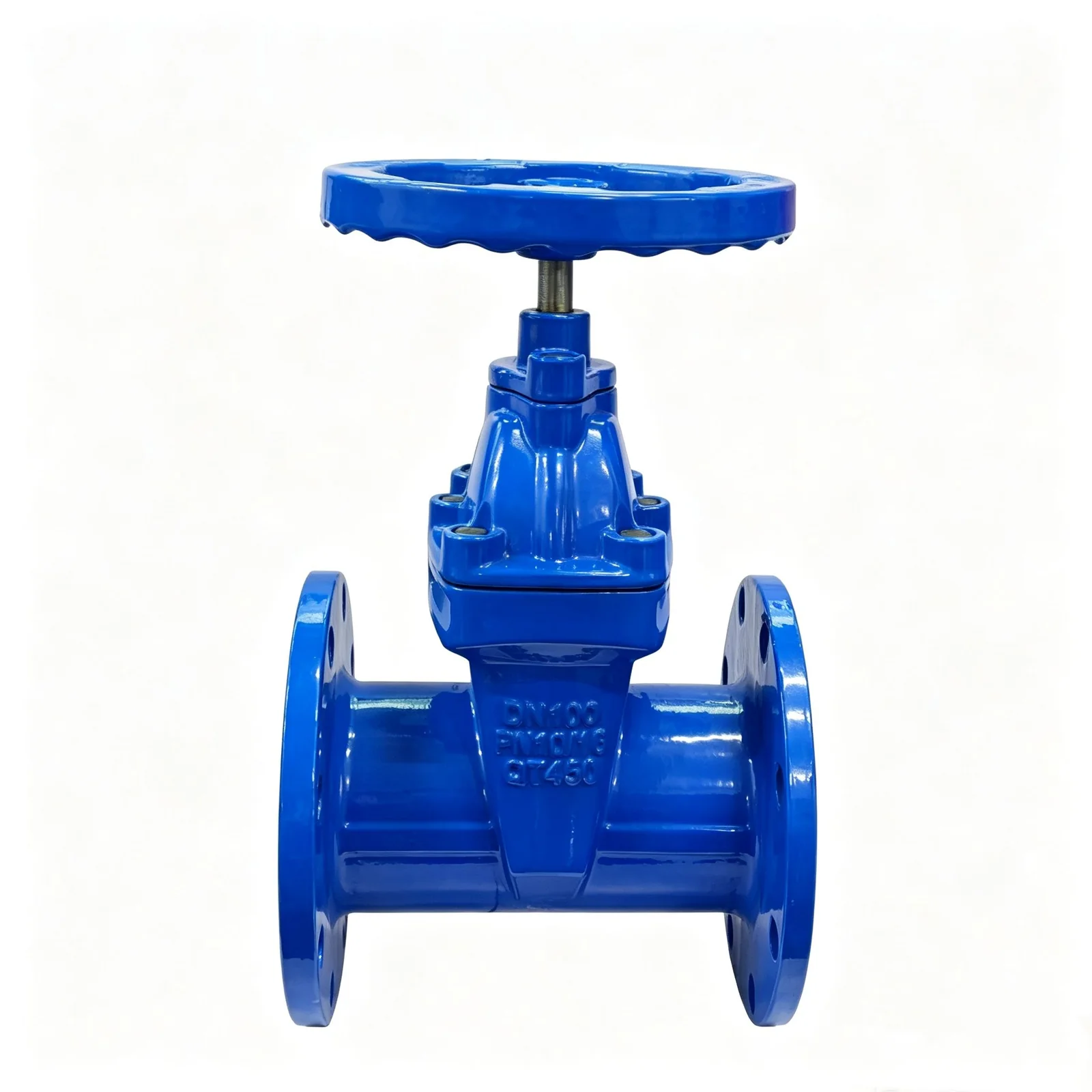
Combining the robust bubble-tight shutoff of a resilient seated gate valve with a built-in telescopic expansion sleeve. Perfect for water supply, firefighting, and HVAC lines, allowing easy installation, pipe thermal expansion adjustment, and fast valve replacement.
Key Features
- Dual function: bubble-tight fluid shutoff + pipeline expansion compensation
- Fully EPDM rubber encapsulated wedge for zero leakage
- Telescopic expansion joint simplifies valve installation and replacement
- Non-toxic epoxy resin coating inside and out
Technical Specifications
- Nominal Diameter
- DN50 - DN600
- Nominal Pressure
- 1.0 MPa / 1.6 MPa
- Telescopic Range
- ± 25mm (Expansion compensation)
- Body Material
- Ductile Iron QT450
- Applicable Medium
- Water, Sewage, Firefighting water
Parts & Materials List
- Main Body & Bonnet
- Ductile Iron (QT450-10)
- Telescopic Sleeve
- Carbon Steel Q235 / Ductile Iron
- Wedge Core
- Ductile Iron QT450 with EPDM rubber fully coated
- Sealing Glands
- NBR / Brass / Stainless Steel
Applications
- Water supply & distribution
- Wastewater and sewage networks
- Industrial process pipelines
- HVAC systems
Quality & Testing
100% shell and seat pressure testing per GB/T13927 or EN 12266-1; epoxy resin coating tested for corrosion resistance.
Frequently Asked Questions
What does the built-in telescopic sleeve do?
It provides ±25 mm expansion compensation, absorbing pipe thermal movement and settlement so the valve body is not stressed — and it allows the valve to be replaced without cutting the pipe.
How is the Z41X-T different from a standard resilient seat gate valve?
It combines bubble-tight shutoff and pipeline expansion compensation in one unit, so you install one valve instead of a valve plus a separate expansion joint.
What sizes and pressures are available for the telescopic gate valve?
DN50 to DN600 at 1.0 or 1.6 MPa, in ductile iron QT450 with a fully EPDM-encapsulated wedge, for water supply, firefighting and HVAC lines.
Which media are suitable for the Z41X-T?
Water, sewage and firefighting water. The non-toxic epoxy coating inside and out keeps it suitable for potable service as well as drainage lines.
Related Buying Guides
Buying Guide
Fire Hydrant, Fire Hose & Valve Standards Explained
AWWA C502, NFPA 1961, EN 14384, ISO 5208 — what each standard means and how to verify compliance in Chinese factories.
Read Guide Buying GuideGate Valve vs Butterfly Valve for Fire Protection Systems
Sealing, flow, pressure loss and cost compared so you can pick the right isolation valve for fire mains and water networks.
Read Guide Buying GuideCheck Valve Types & Selection Guide
Sliding ball vs swing check — head loss, slam behaviour and the applications each type fits best.
Read Guide