
Valve Procurement Guide
How to Compare Quotes from Chinese Valve Suppliers Without Losing the Deal Later
In short: a valve quote is only comparable when the technical scope, delivery term, documents, testing and payment trigger are comparable. This guide shows buyers how to write an RFQ, read each line, expose landed-cost gaps, score suppliers and verify a Chinese valve factory before awarding a purchase order. Wanlian quotes to your RFQ rather than displaying a price list, so the useful starting point is a complete BOM and specification.
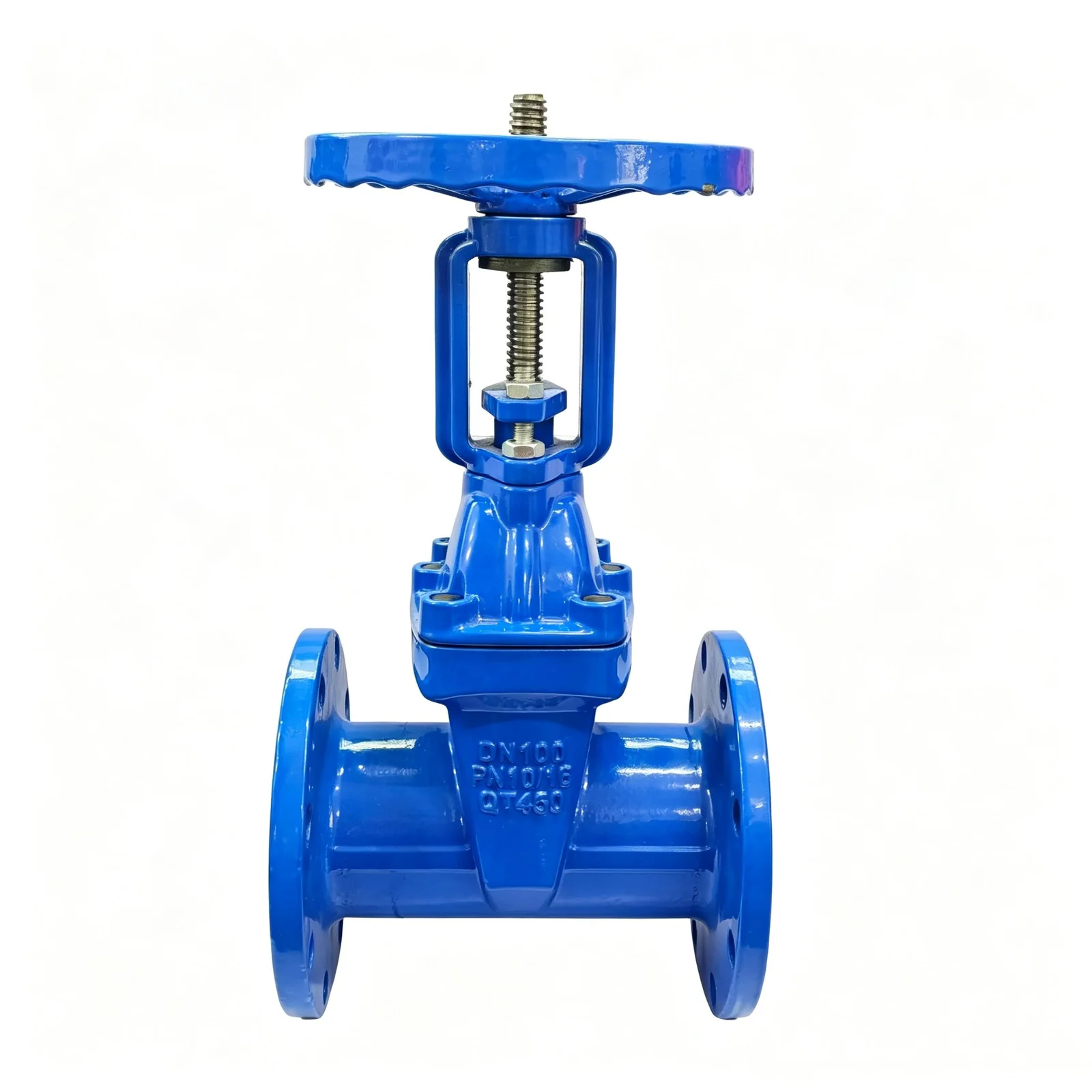
Z41X Resilient Seat Flanged Gate Valve
DN50-DN700 PN10/16 EPDM encapsulated wedge
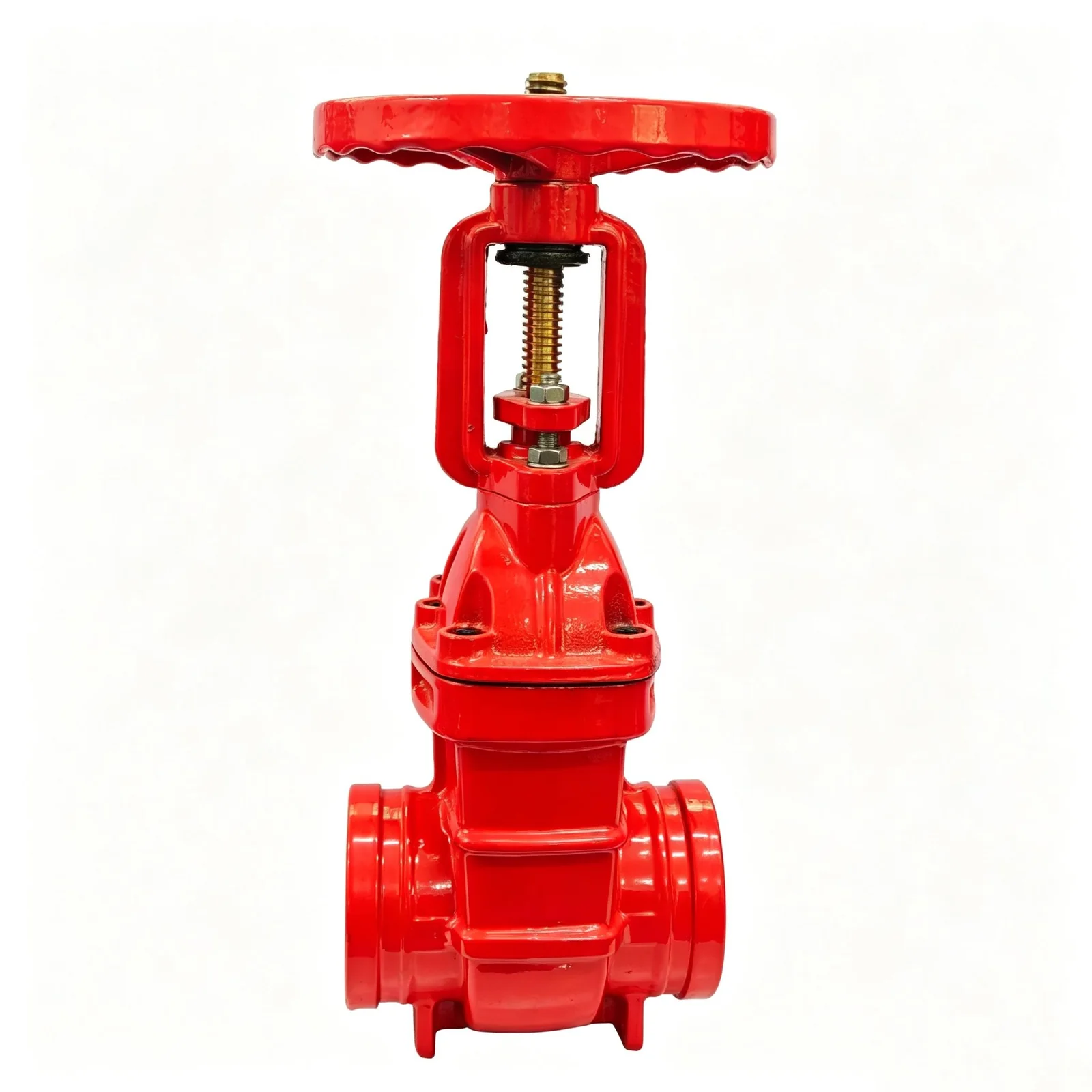
UL/FM Resilient Seated OS&Y Gate Valve
2"-10", grooved ends, rising stem, UL/FM listed
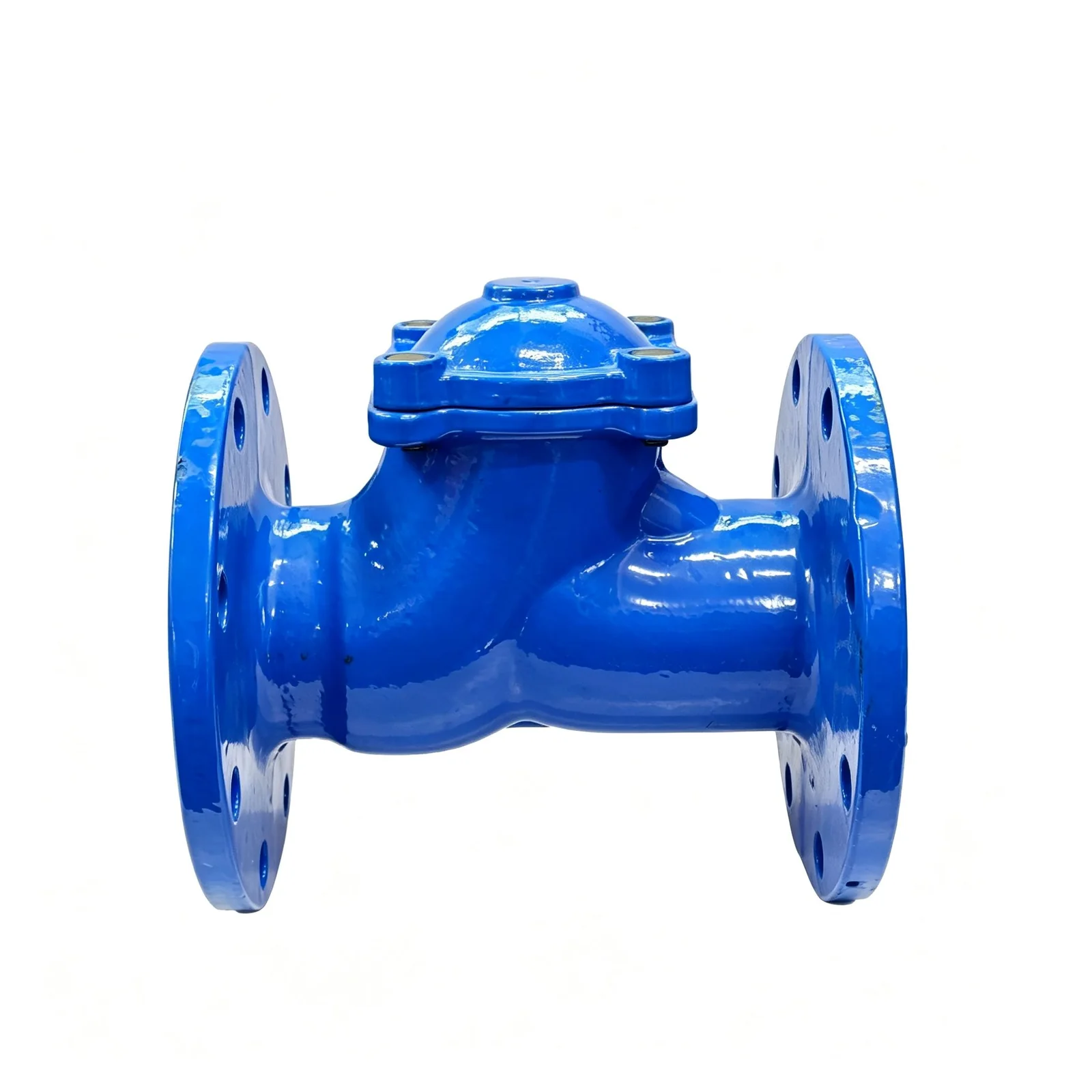
HQ44X Spherical Ball Check Valve
DN50-DN400 PN16, non-slam EPDM ball
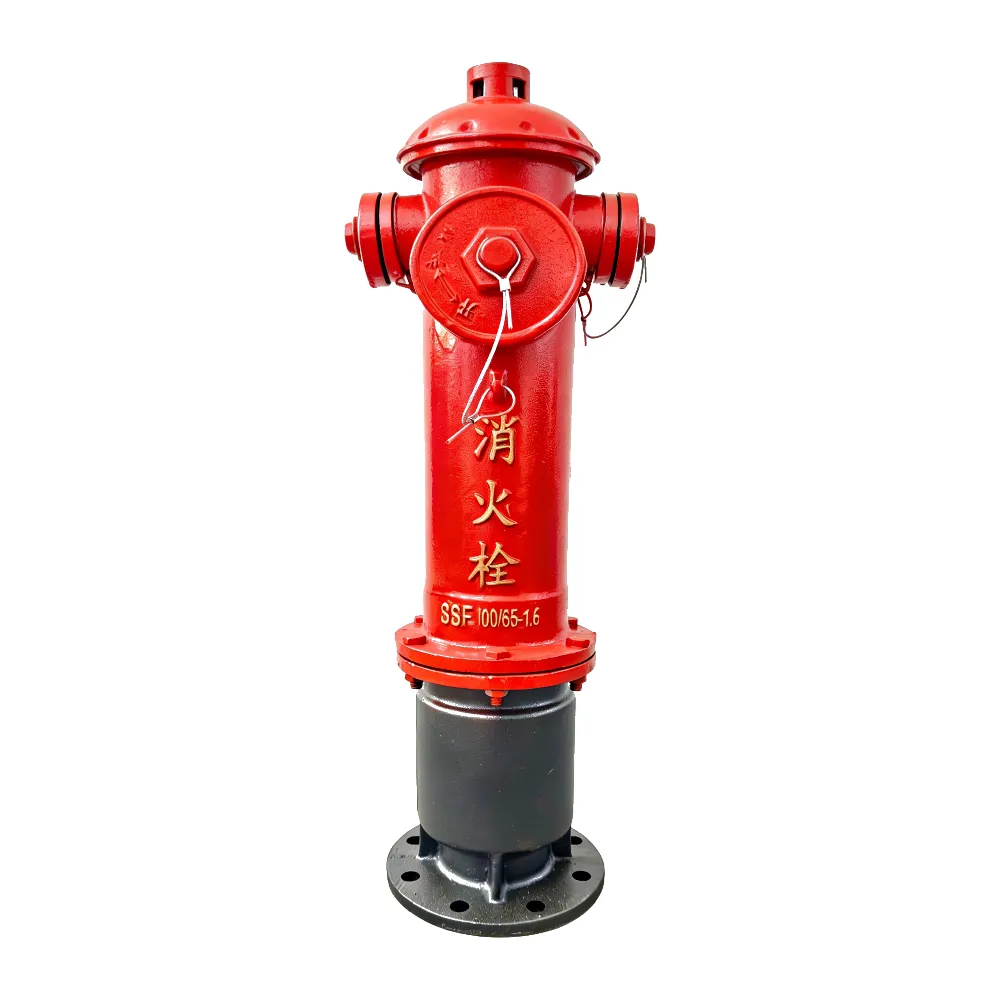
Overground Antifreeze Fire Hydrant (SS100/65)
GB 4452 ductile iron, 1.6 MPa, freeze-proof drain
1. Why Two Quotes for the Same Valve Differ
“The same valve” is often only the same name. One factory may quote a ductile-iron body with stainless trim, another may use a different trim grade or seat compound. One may include a shell and seat test, material traceability and a signed data book; another may include only a routine factory inspection. Flange drilling can follow ANSI, DIN, EN or JIS, and a face-to-face dimension can vary with the design. Paint system, marking, packing and palletisation also affect what arrives at site.
Commercial scope creates a second gap. MOQ, dedicated tooling, pattern modification, sample testing, 3.1 material certificates, third-party FAT witnessing and special packaging may appear as separate lines or be omitted until clarification. EXW, FOB, CIF and DDP are not interchangeable price labels: they transfer cost and risk at different points. Before asking why a quote is high, ask whether both suppliers priced the same deliverable.
Build a single comparison sheet before negotiation. Put the model, nominal size, pressure class, end connection, materials, standard, inspection, documents, quantity, destination and required date in fixed columns. The B2B valve sourcing checklist is a useful companion for making that scope explicit.
2. Writing an RFQ That Gets Accurate Quotes
An RFQ should let a factory answer without guessing. Attach the valve schedule or BOM, drawings, service medium, operating temperature and pressure, quantity by size, destination port, required delivery window and applicable code. State whether the valve is for fire protection, waterworks, process service or a replacement. Add end-standard details such as ANSI Class or DIN/EN/JIS drilling instead of writing only “flanged.”
Make the document request part of the line item. Ask for body and trim material designations, seat material, pressure-test records, 3.1 certificates where required, coating data, nameplate artwork, packing photos and an inspection and test plan. If a third party will witness FAT, name the hold point and the acceptance records. For fire equipment, request evidence that can be checked against the exact model; never accept “equivalent to a famous brand” as a substitute for a verifiable listing or certificate.
Ask every bidder to identify exclusions and deviations in a separate column. A blank deviation column is not confirmation. Require the supplier to state the currency, validity period, production lead time, MOQ, warranty basis, payment structure, Incoterm and destination assumptions. Wanlian operates with its own production lines plus qualified collaborative capacity, and quotes on the RFQ scope so the production route can be matched to the required valve and documentation.
3. Reading the Quote Line by Line
Read the quote as a technical offer, not a single number. Start with the exact product code and revision, then check the pressure class, nominal size range, end connection, face-to-face standard and material schedule. Confirm whether the quoted Z41X resilient-seat flanged gate valve is the requested configuration, rather than a visually similar gate valve with a different wedge or drilling.
| Quote field | What to confirm | Why it changes the decision |
|---|---|---|
| Valve and materials | Body, bonnet, stem, trim, wedge or ball, seat and gasket | Service life, corrosion resistance and approval scope |
| Connection | ANSI, DIN, EN or JIS drilling; grooved or threaded ends | Fit at site and risk of an expensive second shipment |
| Testing and documents | Shell/seat test per API 598, certificates, FAT and data book | Acceptance evidence and traceability after delivery |
| Delivery basis | EXW, FOB, CIF or DDP, named place and included charges | Landed cost, risk transfer and import workload |
| Payment and release | T/T 30/70 or L/C at sight, inspection and document triggers | Cash exposure and control before shipment |
Then inspect the fine print. “Standard packing” may not mean export packing, and “test certificate” may not mean a report tied to your serial numbers. Confirm whether ISPM-15 pallets, labels, spare seals, manuals and photos are included. For fire-service applications, compare the exact listing, marking and inspection evidence, not just a familiar product description. See the API 598 pressure-test guide when the test language is unclear.
4. The Costs That Appear After Award
The delivered cost starts with the quoted valve but does not end there. Under EXW, you may arrange factory pickup and the inland leg. Under FOB, the supplier normally handles export formalities to the named loading point, while the buyer carries the ocean freight and onward costs. CIF includes freight and insurance to the named port, but not necessarily destination terminal work, duty or customs brokerage. DDP can be simpler for a buyer, yet the exact tax, importer-of-record and delivery scope must be written down.
Map the full chain: inland transport, export declaration, ocean freight, insurance, duties, port and terminal charges, customs clearance agent, final delivery and any inspection or storage. Add the commercial extras that are easy to miss: MOQ, mould or tooling charges, sample and test fees, 3.1 certificates, third-party FAT, special coating, nameplate translation, export cartons and ISPM-15 treatment. Ask for a validity period because freight and surcharges can move between award and shipment.
Do not let an apparent low quote hide a technical omission. A missing seat material, wrong flange drilling or absent test record may create rework, delay and approval risk that outweighs the initial difference. The ANSI, DIN and JIS flange guide helps resolve one of the most common scope gaps before the purchase order.
5. Building a Side-by-Side Appraisal
Use a weighted appraisal rather than choosing the lowest line. A practical scorecard gives the technical fit and compliance evidence the largest share of attention, followed by landed-cost clarity, quality controls, lead time, communication and payment risk. The exact weighting should reflect the consequence of failure: a replacement valve for a non-critical utility can be assessed differently from a valve in a fire protection package.
| Scoring dimension | Evidence to request | Red flag |
|---|---|---|
| Technical fit | Drawings, datasheet, materials, end standards and deviations | “Equivalent” stated without model-level proof |
| Quality and traceability | ITP, serial records, test logs, 3.1 certificates and audit access | Certificate issuer or scope cannot be checked |
| Commercial clarity | Incoterm, destination, exclusions, validity and landed-cost sheet | Freight, duty or tooling appears only after award |
| Execution risk | Factory video, capacity plan, references and communication record | Refuses an audit or changes the receiving account |
Record unanswered questions as deductions, not assumptions. A responsive supplier that identifies a deviation is safer than one that says yes to everything and changes the scope later. Keep the quote revision, clarifications and approved drawing attached to the appraisal so the award decision remains auditable.
6. Verification Before Payment
Before releasing an advance, verify the legal entity, factory address, production capability, bank beneficiary and document issuer. Ask for a live video walk-through of machining, assembly, pressure testing, painting, warehouse identification and packing. A video is not a substitute for an audit, but refusal to show the operation is a clear warning. If the supplier uses qualified collaborative capacity, identify which process is outsourced and who owns final inspection.
Check that certificates name the correct manufacturer and model, and that the receiving account matches the contracting entity. A certificate holder and payment account with unexplained name differences require clarification before payment. Treat “same as a major brand” as marketing language until the model, listing, material and test evidence can be independently verified. For a structured process, follow our Chinese valve supplier verification guide and review the counterfeit fire-equipment checks.
Agree the FAT plan before production reaches its final stage. Define shell and seat tests per API 598 where applicable, gauge calibration, sample selection, coating and marking checks, document review, witness notice and non-conformance handling. A third-party witness from an SGS- or BV-type organisation can add independence, but the purchase order must still define acceptance.
7. Pilot Orders and Scaling Up
A pilot order turns assumptions into evidence. Use it to check the actual valve against the approved drawing, dimensions, flange drilling, operation torque, coating, nameplate, packing and document pack. For a fire-water application, verify the UL/FM resilient seated OS&Y gate valve configuration and the HQ44X spherical ball check valve against the approved scope, rather than relying on a catalogue photograph.
Start small because the cost of discovering a mismatch is lower before the product is rolled across a project. A pilot also tests communication, change control, packing quality, export documents and how quickly a non-conformance is corrected. Release the next batch only after the pilot report is closed and the supplier confirms that the approved revision is locked for production.
Scaling should preserve the same inspection gates, traceability and payment triggers. Wanlian can quote RFQ-based packages using its own production lines plus qualified collaborative capacity; send the valve schedule, destination and required documents so we can separate standard supply from project-specific checks. For broader risk planning, read the cross-border procurement risk whitepaper before finalising the sourcing route.
Frequently Asked Questions
A quote for the same valve is about 30% apart. What is usually different? +
A gap of around 30% usually reflects a different commercial and technical basis rather than a simple factory margin. Check the valve body and trim materials, seat compound, end standard, coating, pressure-test scope, certificates, packing, delivery term and whether tooling or inspection is excluded. Reissue a line-by-line clarification before comparing the totals.
Why is looking only at the FOB figure a mistake? +
FOB covers the agreed export handover point, not your full landed cost. Inland transport, export declaration, ocean freight, duties, port charges and customs brokerage can change the delivered result. Compare EXW, FOB, CIF and DDP on one destination-based cost sheet, while confirming which charges remain your responsibility.
Should we ask for LFO third-party inspection? +
Ask for an independent pre-shipment inspection or FAT witness when the order is safety-critical, the supplier is new, the specification is complex or the documents need independent confirmation. Clarify the inspection hold point, sampling, test records and who pays. SGS- or BV-type inspection bodies can witness the agreed scope, but they do not replace your technical acceptance criteria.
How should we negotiate the sample policy? +
Define whether the sample is an actual production valve, a cutaway or a prototype, and state who pays for the sample, tooling, freight and test reports. Agree what happens to an approved sample when the pilot order is released, and record any dimensional, coating or marking deviations before approval.
How should payment milestones be set? +
T/T 30/70 and L/C at sight are common structures, but the release trigger should be specific. Tie the balance to completed inspection, approved documents and agreed packing rather than an informal promise. Confirm the beneficiary name, bank details, order entity and any change-of-account procedure through a known channel.
How soon after receiving a quote should we request the FAT plan? +
Request the FAT plan during technical clarification and before award, not after production is complete. The plan should identify the shell and seat test basis, sampling, gauges, acceptance records, material certificates, marking, packing and witness notice. This gives both sides time to reserve a test slot and resolve an exception before shipment.
Ready to Compare a Valve RFQ?
Send your BOM or inquiry sheet, destination, standards and document requirements. Wanlian quotes to the RFQ, confirms the technical scope and separates production, inspection and delivery assumptions before you award.