
Procurement Guide · Commercial Buildings
Building a Commercial Sprinkler System? Here Is the Complete BOM
Most sprinkler procurement problems are not about any single component — they are about the seams: an alarm valve from one factory, heads from another, siamese from a third, each with its own test records, its own lead time and its own silence when something does not fit. This guide walks a complete wet-pipe commercial sprinkler scope piece by piece, with the components you will actually specify, how they fit together, and the planning table to take straight into your RFQ.
Scope note: This is a planning reference for a standard wet-pipe commercial system. Your hydraulic design and the local fire authority's rules govern the final BOM — send us your plan layout and we return itemized quantities and matching component sizes.
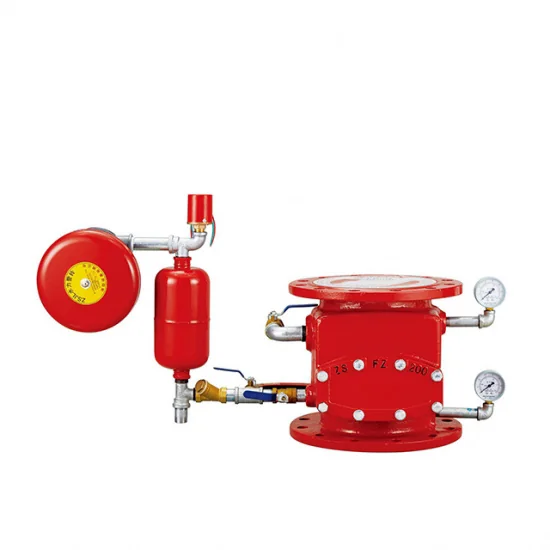
Wet Alarm Check Valve ZSFZ 150
Gong + retard chamber + pressure switch, DN100-DN200
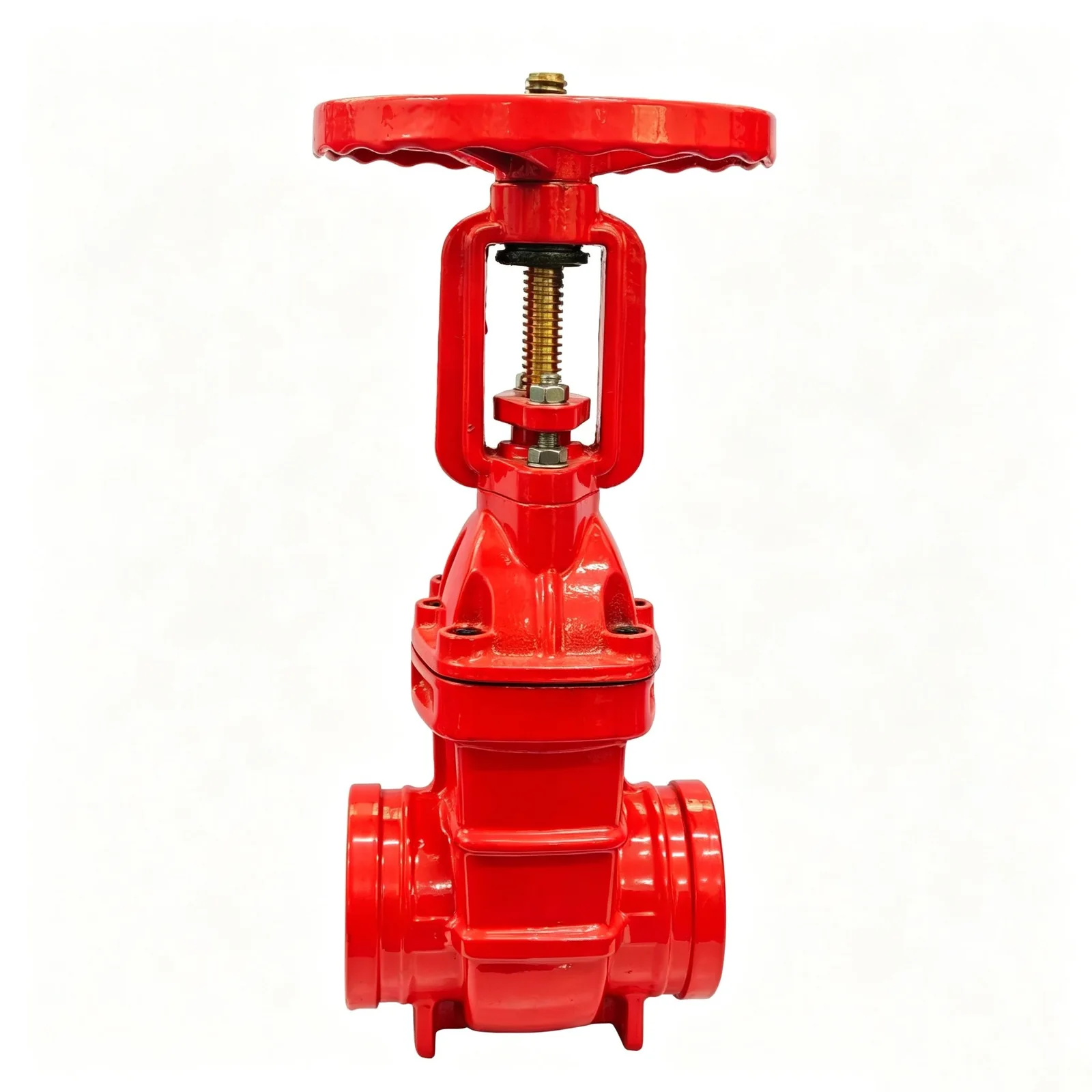
OS&Y Gate Valve (Grooved)
2"-10" rising-stem main isolation for fire mains
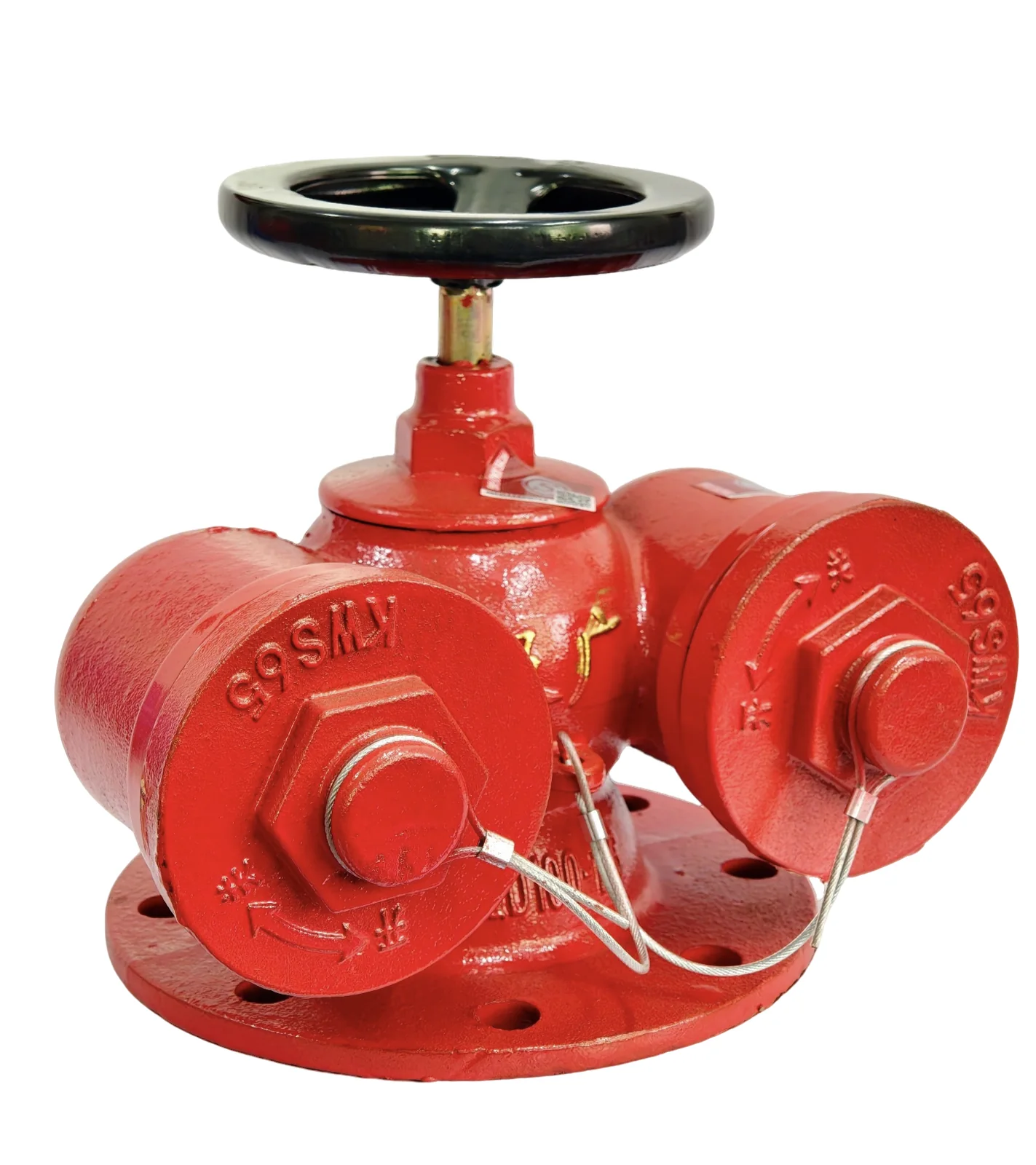
SQD100 Siamese Connection
Twin DN65 inlets for dual fire-engine supply
1. Why the Sprinkler Package Is Procured as One Scope
A wet-pipe sprinkler system is a train of components: the alarm valve group starts the flow and raises the alarm, control valves isolate sections, the siamese receives fire-engine supply, heads deliver the water, and flow indicators tell the control panel which zone is discharging. Each interface between two suppliers is a place where dimensions, standards and test records can silently disagree — and the disagreement usually surfaces on site, after the steel is installed.
Consolidating the entire fire scope into one purchase order gives you one accountable manufacturer, one set of per-unit test records that reconcile to a single packing list, and one freight and customs package. It is the reason our sourcing guide treats the complete kit as the default procurement unit, and why this BOM walks every major component of a commercial wet system in one pass.
2. The Alarm Valve Group: Heart of the Wet System
The ZSFZ wet alarm check valve is the component the system lives or dies by. It holds the system charged under pipe pressure, opens automatically when sprinkler flow starts, drives the water motor alarm gong, and closes the pressure-switch contact that notifies the building fire alarm panel. The retard chamber sits between the flow and the alarm to filter out transient surges — without it, a pump start-up can sound a false alarm.
Specify the group, not the bare valve: body size (DN100 / DN150 / DN200 at 1.6 MPa), gong, retard chamber and pressure switch, plus the mounting orientation your riser room allows. For high-hazard zones in the same building — racking, kitchens, paint storage — the ZSFM deluge valve and the ZSFY pre-action system extend the same concept to instantaneous and dual-signal discharge.
3. Monitored Isolation: OS&Y and Signal Butterfly Valves
Every main and every zone needs an isolation valve whose position the control room can verify. The standard answer for fire mains is the rising-stem OS&Y gate valve — fully raised means open, lowered means closed, no opening the valve to check. For section control in sprinkler mains, the grooved signal butterfly valve adds a position transmitter so a valve left closed reports itself as a trouble signal instead of failing silently when a fire starts.
The pairing to buy:
| Valve | Role in the system | Typical position |
|---|---|---|
| OS&Y gate valve | Main shutoff, position visible by stem | Riser room, system supply |
| Signal butterfly (grooved) | Section/zone control with transmitted position | Branch mains, per zone |
| Check valve (HQ44X) | Backflow protection on pump or cross-connection lines | Pump discharge, siamese line |
Where the line returns to a municipal connection or a pump, a non-slam check valve such as the HQ44X spherical check protects against backflow without the slam shock a clapper check can deliver to a long main.
4. Fire Department Connection (Siamese)
The siamese is how the fire service adds its own flow. The SQD100-1.6 provides twin DN65 inlets — SQS65 or KWS65, matched to the coupling standard of your local fire department — feeding a single DN100 flanged outlet, with an integrated handwheel control valve and braided safety cables on the caps. Twin inlets let two engines supply at once, which matters on large commercial sites where building pump capacity alone cannot cover the peak demand.
Two specification details that are commonly missed: the inlet coupling standard must match your fire service's appliances (not a generic default), and the siamese location must meet your local code's accessibility rules — get both confirmed in writing before the caps and adapters are manufactured.
5. Sprinkler Heads: K-Factor, Temperature & Orientation
Heads are the highest-count line item on the BOM, and the easiest to mis-specify. Three parameters do the work: K-factor (K=80 is the standard density choice, K=115 for higher flow), temperature rating (57 / 68 / 79 / 93 / 141°C with standard bulb colour coding), and orientation (pendent for ceilings, upright for exposed piping, sidewall and concealed variants for finished interiors).
The ZST glass bulb series covers pendent, upright and sidewall in DN15/DN20 with quick or standard response bulbs; the T-ZSTBS horizontal sidewall and ZSTDY concealed variants handle the architectural cases. For storage applications, the ESFR head is the designated type. Your hydraulic design sets the K-factor and count per zone — the factory sets them on the frame and the test certificate.
6. Flow Indicators and Zone Monitoring
When one head discharges in a forty-floor building, the control room needs to know which floor. The ZSJZ vane type water flow indicator turns flow in a specific branch into an electrical contact to the fire alarm panel, zone by zone. Specify one per monitored branch, with the contact rating matching your panel, and label zones consistently with your as-built drawings — a flow alarm nobody can locate is a fire investigation, not a fire response.
7. The BOM Planning Table
Use this as the skeleton of your RFQ. Quantities are placeholders to be replaced by your hydraulic design — the point is that every scope item is named and mapped to a real model before you request a quote, so the itemized price you receive is comparable line by line.
| Scope item | Reference model | Sized by |
|---|---|---|
| Wet alarm valve group (gong + retard + switch) | ZSFZ-150 (DN100/DN150/DN200) | Design flow |
| Main shutoff (OS&Y, grooved) | 2"–10" OS&Y | Main size |
| Zone control (signal butterfly) | DN80–DN150 signal grooved | Branch mains |
| Check valve (pump / backflow) | HQ44X-16 | Pump line size |
| Fire department connection | SQD100-1.6 (SQS65/KWS65) | Local fire service standard |
| Sprinkler heads (pendent/upright/sidewall) | ZST / T-ZSTBS / ZSTDY, K80 or K115 | Hydraulic design |
| Water flow indicators | ZSJZ per monitored branch | Zone plan |
| Indoor fire stations (hose reels + cabinets) | JPS0.8-19 + SN65 | Egress plan |
Two final scope items to check: indoor fire stations (JPS0.8-19 hose reel with SN65 valve, sized by your egress plan), and the layflat fire hose and Storz couplings that feed the siamese. All of it — alarm group to last head — ships on one PO with one test-record set.
8. Standards and Certification to Specify
The standards regime depends on the destination: NFPA 13 governs system design in US-spec projects, with UL/FM listing of specific components where the authority requires it; the GB 5135 family is the manufacturing reference for alarm valves and heads in the Chinese production environment; EN regimes apply to European destinations. The practical rule is the one in our standards guide: the standard is a property of the product and the destination, not of the brand — so the RFQ names the standard per line item, and the supplier answers per model with the matching certificate.
For a commercial project that must pass inspection, the documentation set that keeps the file clean is: per-unit pressure and leakage test records, head temperature/K-factor markings, valve certificates matched to the specified standard, and the export document pack. Our industry whitepaper walks the full verification sequence from written spec to verified product.
Frequently Asked Questions
Can one manufacturer supply a complete wet sprinkler system package? +
Yes. A single purchase order can cover the ZSFZ wet alarm valve group, OS&Y and signal butterfly control valves, siamese connection, glass bulb sprinkler heads and water flow indicators, with per-unit test records and one export document set. Consolidating the fire scope under one accountable manufacturer removes the coordination risk of five separate suppliers.
What does a ZSFZ wet alarm valve group include? +
The ZSFZ group includes the alarm check valve body (DN100/DN150/DN200 at 1.6 MPa), water motor alarm gong, retard chamber and pressure switch, with cast iron or ductile iron bodies and EPDM/NBR seals. The gong sounds on sprinkler flow while the pressure switch signals the building fire alarm panel.
Do sprinkler heads need UL listing for my project? +
If your specification or local authority requires UL-listed heads, specify it explicitly and request the listing certificate for the exact model before ordering. Wanlian ZST heads are manufactured to the GB 5135 family; for projects requiring UL or FM-listed sprinklers, confirm model coverage in writing at quotation stage.
How many sprinkler heads do I need per fire compartment? +
That comes from the sprinkler hydraulic design, not the supplier: head count follows the floor area, the design density and the K-factor at the required operating pressure. Send us your plan layout or design assumptions and our engineers return a head count and the matching alarm valve and siamese sizing.
What documents should the sprinkler package shipment include? +
Commercial invoice, packing list, certificate of origin, per-unit shell pressure and air-leakage test records reconciled to serial numbers, and any standard-specific certificates required by your tender. Heads are supplied with the temperature rating and K-factor marked on the frame.
Send Your Plan Layout — Get an Itemized BOM Quote
Upload your drawings or list your zones, and we return itemized quantities, matching component sizes and the per-model test approach within 12 hours.