
Foam System Guide
Foam Deluge and Foam-Water Spray Systems: Selection and Sizing Guide
In short: foam deluge protects a Class B liquid hazard by opening a deluge valve, proportioning foam concentrate into the fire-water flow and sending the finished solution to open spray heads, monitors or hose stations. The right design starts with the fuel, the required application area and the approved concentrate, then checks the proportioner, valve trim, discharge pattern, drainage and field test plan as one system.
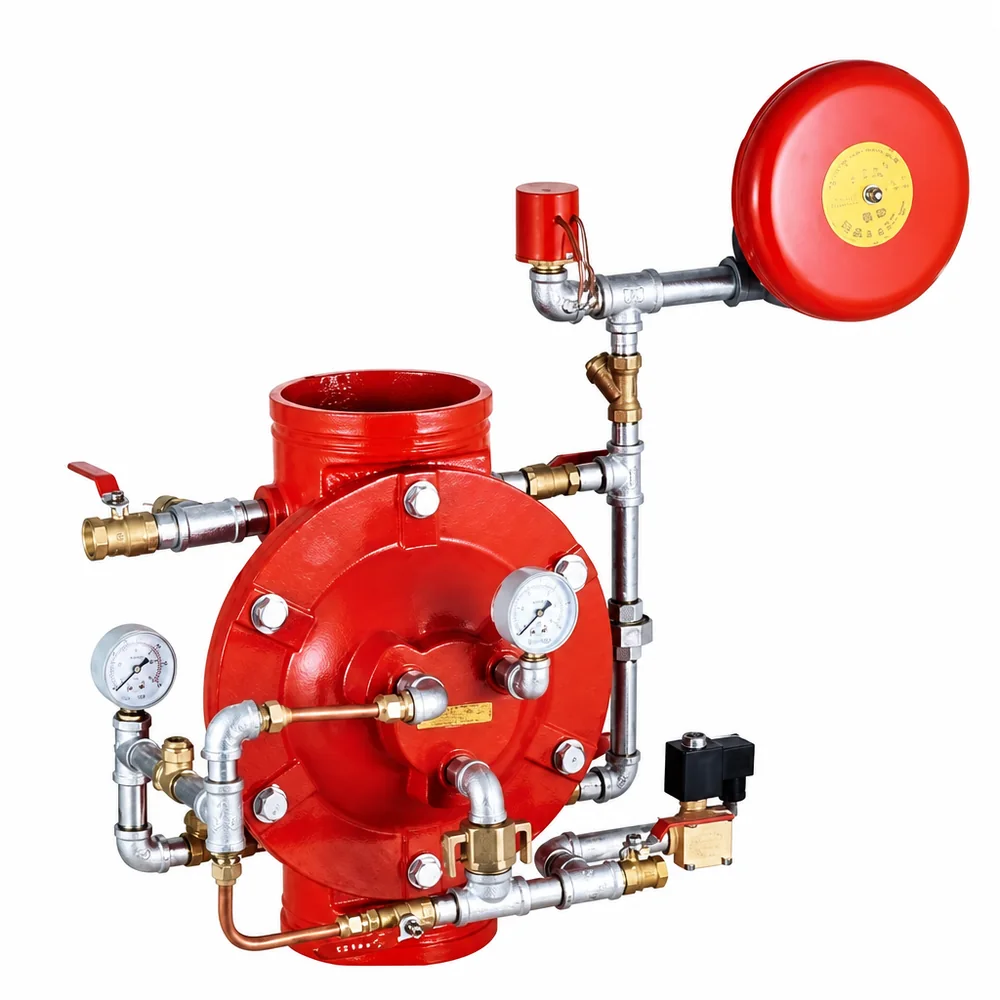
Deluge Alarm Valve Group (ZSFM Series)
Fast-open deluge valve ahead of foam discharge devices
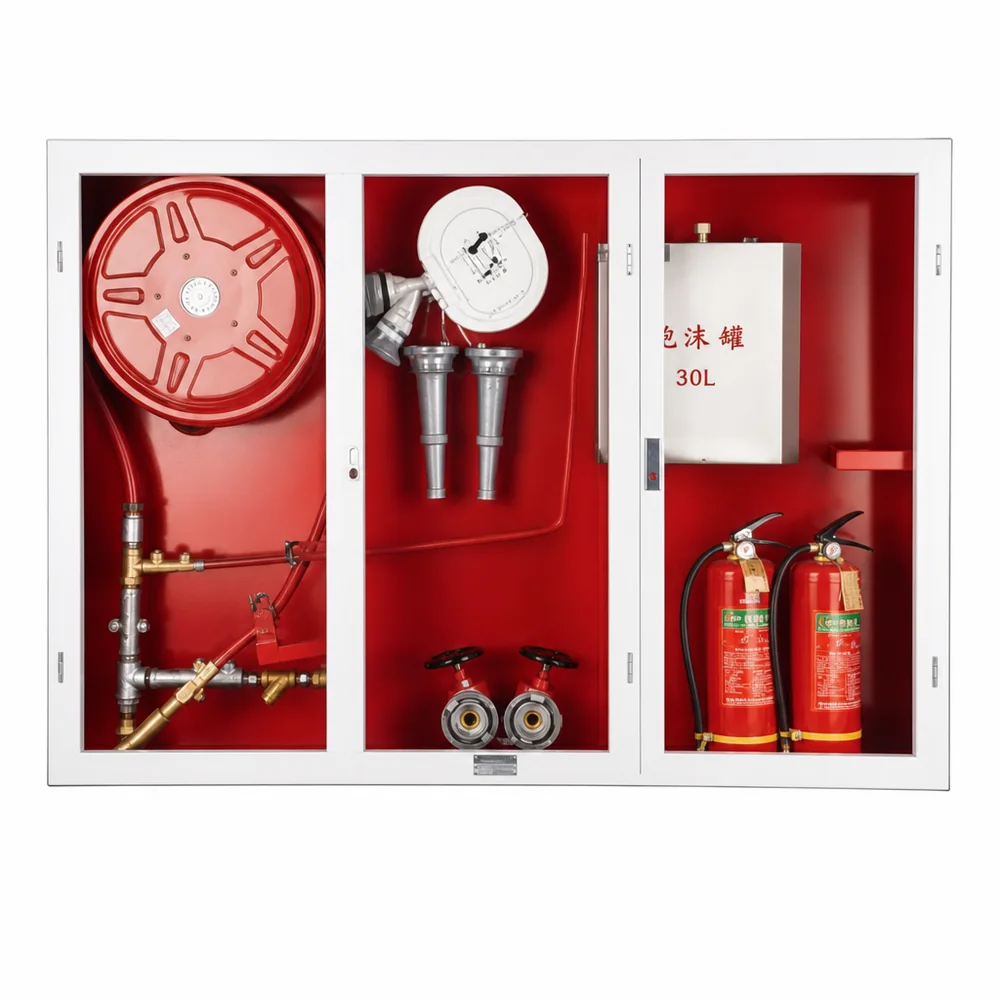
Foam Fire Hydrant Cabinet (PSG30 Series)
3% premix foam station with hose and monitor interface
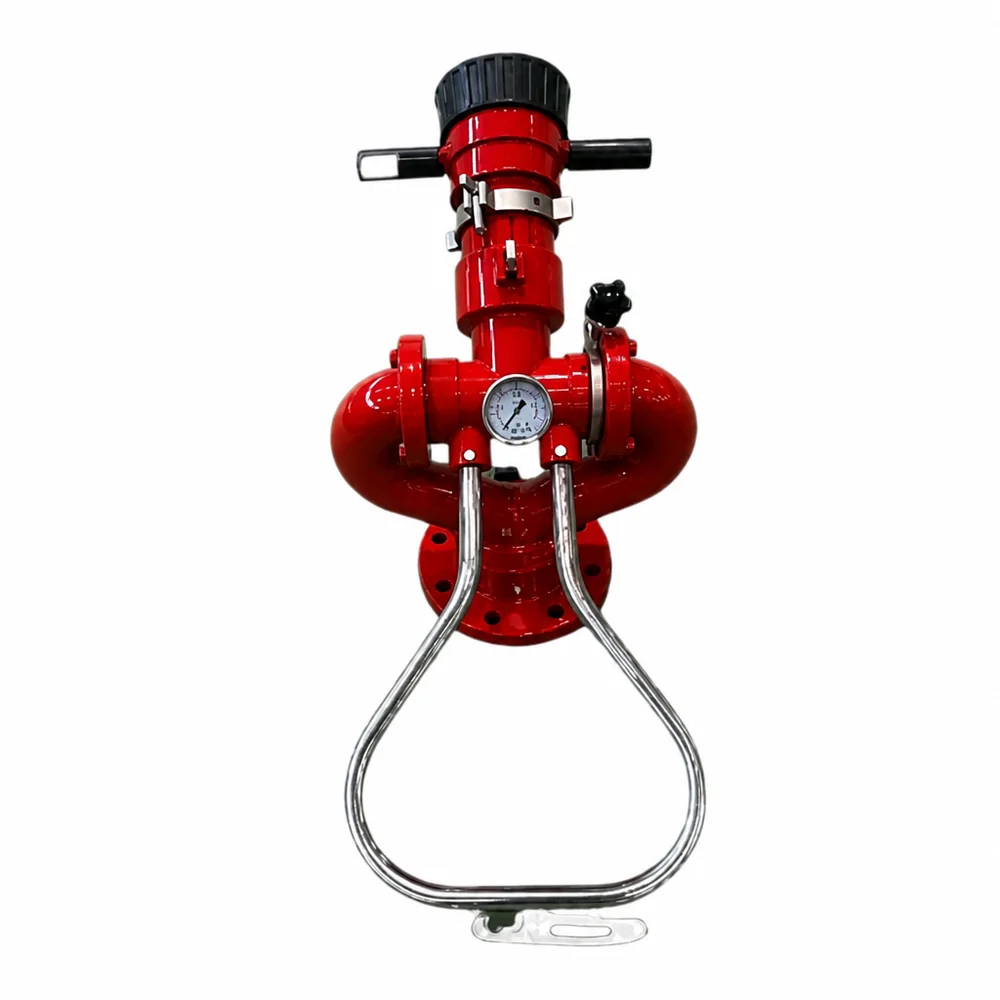
Manual Fire Water Monitor (PS Series)
Fixed monitor, foam-compatible jet/spray nozzle
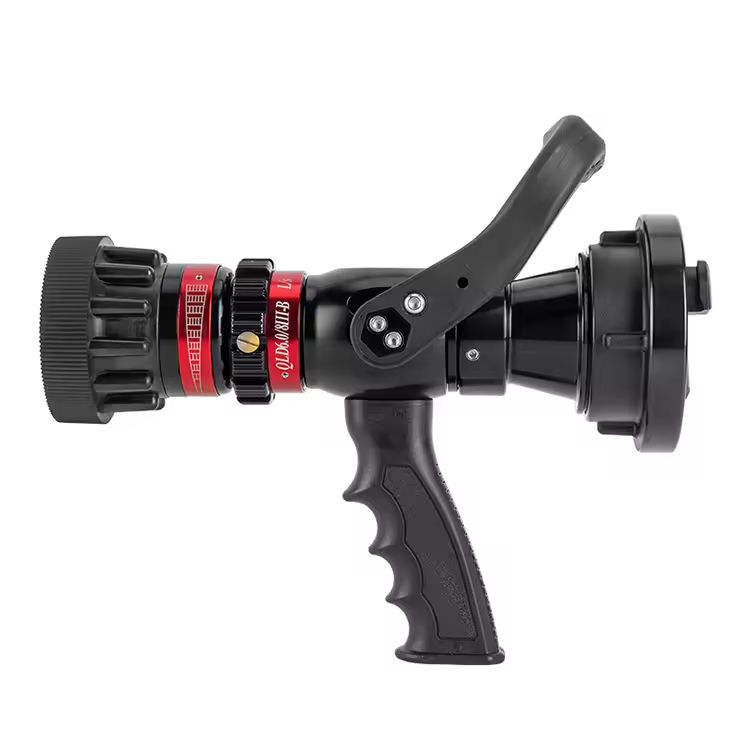
Adjustable Pistol Grip Fire Nozzle
Handline nozzle for hose foam application
1. When Foam Beats Water
Foam is selected when the fuel is a flammable liquid and the design objective is to control vapour release as well as flame. Typical Class B locations include tank farms, fuel storage, aircraft hangars, paint shops, solvent areas and chemical process spaces. Water applied alone can sink beneath or spread a burning liquid, and a high-velocity jet can splash fuel beyond the original spill. A properly selected low-expansion foam blanket separates the liquid surface from air and helps suppress vapour release.
A foam-water spray system is not simply a water deluge system with a foam drum nearby. The water demand, application device, concentrate percentage, drainage and discharge duration must be coordinated. The detection system normally initiates the sequence: detection releases the trim, the deluge valve opens, water reaches the open discharge devices and proportioning introduces concentrate. The finished solution then covers the hazard at the specified pattern and density.
| Fire Class | Typical Fuels | Most Effective Agents | Foam Deluge Fit |
|---|---|---|---|
| Class A | Wood, paper, textiles, plastics | Water, foam, ABC powder | Usually water first |
| Class B | Petrol, oils, solvents, paints | ABC powder, foam, CO2 | Primary fixed-system use |
| Class C | Propane, butane, methane, LPG | ABC powder (shut off supply first) | Not a substitute for gas isolation |
| Class E | Energized electrical equipment | CO2, ABC powder (non-conductive) | Confirm electrical strategy |
| Class F | Cooking oils and fats | Wet chemical | Not recommended |
| Class D | Combustible metals (Mg, Na) | Specialist metal powder | Not suitable |
2. Anatomy of a Foam Deluge System
The core assembly has five coordinated zones. First is the water supply and control assembly, including the ZSFM deluge alarm valve group, trim, drain and supervisory points. Second is detection and release: a heat, flame, smoke or linear detection arrangement sends the release signal, which opens the valve before the open heads discharge. Third is concentrate storage, which may be a bladder tank or another approved vessel. Fourth is the proportioning device and its isolation, check and test valves. Fifth is the open discharge network, including spray heads, monitors and hose cabinets.
The deluge valve is normally closed on the water side and the downstream pipe is normally dry or held in the arrangement specified for the project. When the release trim operates, the valve opens quickly and sends water to all open devices in the protected zone. A ZSFY pre-action alarm system may be considered where the project requires a supervised release sequence and reduced accidental discharge risk, but the designer must confirm whether its operating sequence suits the foam application objective.
Keep the system boundary clear in the RFQ. Wanlian supplies deluge valve groups, valves for foam proportioning packages, foam cabinets, monitors and nozzles. Foam concentrate can be assisted through supply channels, but it is not manufactured in-house by Wanlian; state the concentrate brand, certificate and compatibility responsibility separately.
3. Proportioning Options Compared
Proportioning is the control point that determines whether water becomes the specified foam solution. Common design ratios are 3% and 6%, but the correct ratio is set by the concentrate approval and hazard design, not by a buyer preference. The table below compares the three arrangements most often discussed during procurement.
| Option | How it works | Best fit and watch-outs |
|---|---|---|
| Bladder tank | Water pressure collapses a flexible concentrate bladder and pushes concentrate to the proportioner. | Dedicated reserve and broad project familiarity; needs space, refill planning and verified tank-to-concentrate compatibility. |
| In-line ejector | A water-powered venturi draws concentrate from a container as water passes through the ejector. | Compact and simple for a defined flow range; pressure loss and minimum operating flow can limit selection. |
| Around-pump proportioner | A dedicated pump circuit and pressure-relief or return arrangement meters concentrate around the water pump. | Useful for larger or variable-flow systems; requires pump controls, relief logic and more commissioning coordination. |
For more hydraulic background, compare the project with our foam proportioning system guide before selecting a tank or ejector. Ask for the minimum and maximum flow, inlet pressure, expected concentrate viscosity, operating temperature and test connection. Those inputs are more useful than a nominal pipe size alone.
4. Choosing the Foam Concentrate
Start with the fuel chemistry. AFFF has fast film-forming action on many hydrocarbon fuels, but it contains PFAS. Many jurisdictions now restrict or review AFFF-type PFAS concentrates; confirm local rules and consider fluorine-free (F3) alternatives. AR-AFFF is designed for polar solvents, where an alcohol-resistant blanket is needed. FFFP and other formulations have their own application, expansion and drainage evidence. Do not choose from the acronym alone: request the current product data sheet, approval scope and mixing instructions.
Concentrate storage life is whatever the manufacturer certificate states for the specified storage conditions. Avoid putting an invented expiry period into the purchase order. Record batch number, manufacture date, storage temperature and inspection method, and make sure the tank, bladder, seals, proportioner and discharge devices are approved for the chosen product. A concentrate that is chemically correct but incompatible with the equipment is not a compliant design.
F3 conversion deserves a documented engineering review. Existing pipework may be retained after cleaning and inspection, but residual AFFF, elastomer compatibility, proportioner calibration and foam-device performance all need confirmation. The foam supplier, system designer and authority having jurisdiction should agree the change before the old concentrate is drained.
5. Discharge Devices: Spray Heads, Monitors and Cabinets
Open foam spray heads are selected for coverage, droplet distribution, obstruction and application density. They suit a fixed deluge zone where the hazard geometry is known. Monitors add reach and directional control for tank bunds, loading areas and large open risks; the PS Series manual fire water monitor can be specified with a foam-compatible jet or spray nozzle after the project confirms flow and throw requirements.
A hose station supports manual intervention and supplementary application, but it should not be treated as a substitute for automatic coverage where the risk assessment requires fixed protection. The PSG30 foam fire hydrant cabinet packages a 3% premix foam station with hose and monitor interface. For handlines, an adjustable pistol grip fire nozzle provides selectable application at the end of the hose; verify that its seals and flow range suit the finished foam solution.
Use the separate fire water monitor selection guide for monitor reach, nozzle pattern and mounting questions. Also coordinate the deluge valve selection guide with the foam package: valve trim, release pressure, alarm outlet and drain arrangements must work together. Drainage is especially important because a test or real discharge may produce a large volume of foam solution that cannot simply enter a storm drain.
6. Commissioning and Field Testing
Commissioning proves the complete chain from detection to discharge. Flush the water and concentrate pipework according to the approved procedure, remove construction debris, verify valve trim orientation and confirm every open device is the intended model and orifice. A deluge valve trip test should verify detection or manual release, valve opening, water motor alarm or electrical signal, downstream pressure and reset. Use the NFPA 11 and EN 12845 framework where applicable, together with the local authority requirements and the concentrate manufacturer instructions.
- Measure the mixture ratio. Test the finished solution at the approved flow range and confirm the result against the 3% or 6% design value.
- Check foam quality. Measure expansion and 25% drainage time using the test method required for the supplied concentrate and its approval; do not invent acceptance limits from another product.
- Prove the trip sequence. Record detection input, deluge valve opening time, alarms, pressure readings and reset procedure.
- Inspect the discharge pattern. Confirm spray-head coverage, monitor movement, cabinet hose condition and nozzle pattern without exposing personnel to an uncontrolled hazard.
- Document the result. Keep water quality, concentrate batch, temperature, flow, pressure, samples, photographs and corrective actions with the O&M file.
A functional trip test without mixture verification can miss a closed concentrate valve, empty tank, blocked ejector or incompatible concentrate. Plan the test water collection and disposal before the contractor arrives. Repeat inspections at the interval required by the project documents and the concentrate certificate.
7. Foam System RFQ Checklist
A useful RFQ gives the supplier enough information to check hydraulics instead of guessing from a product name. Include the following in one marked-up plan or equipment schedule:
- Hazard and fuel: hydrocarbon or polar solvent, storage height, bund geometry, spill scenario and whether adjacent exposures need cooling.
- Design demand: protected area, application density, design duration, simultaneous zones, water flow and available pressure at the proportioner inlet.
- Concentrate: manufacturer, formulation, 3% or 6% ratio, approval documents, storage temperature, batch information and whether F3 conversion is involved.
- Equipment scope: ZSFM deluge valve group, proportioner type, tank volume, isolation and test valves, open heads, monitor, cabinet, nozzle and detection interface.
- Materials and interfaces: pipe sizes, flange standard, wetted materials, elastomers, electrical voltage, alarm contacts and hazardous-area requirements.
- Testing and documents: flushing plan, trip test, mixture-ratio method, expansion and drainage test, certificates, drawings, spare seals and O&M instructions.
For European projects, review the related CE and EN 12845 fire-protection compliance guide, while still confirming the specific foam standard and authority requirements for the hazard. If the scope includes a separate water monitor, the fire water cannon range can be considered alongside the fixed spray design. Wanlian can quote the valve and discharge-equipment portion from the schedule and identify which concentrate items need an approved channel partner.
Frequently Asked Questions
Where is the cost difference between a foam deluge system and a normal water deluge system? +
A foam deluge system adds a concentrate supply, a proportioning device, compatible discharge devices and commissioning tests to the deluge valve and water network. The concentrate, storage arrangement, flushing provisions and disposal of test solution also affect lifecycle cost. A normal water deluge system may be adequate for a Class A hazard, but water alone is not a substitute for foam on a burning flammable-liquid surface.
How do I choose between a bladder tank and an in-line ejector? +
A bladder tank is a practical choice when a dedicated concentrate reserve and a predictable proportioning range are required without an electric metering pump. An in-line ejector is compact and uses the water stream to draw concentrate, but its operating flow and pressure range must match the hazard demand. Confirm the hydraulic envelope, available space, refill method and required 3% or 6% mix with the fire-protection designer.
What must be replaced when an old AFFF system is converted to F3? +
Do not assume that changing only the drum is safe. The concentrate, proportioner, bladder or tank materials, seals, foam devices, flush water arrangement and test procedure must be checked as a compatible package. Existing pipework may be reusable after cleaning, but residual AFFF and mixed concentrates can change performance. Obtain the F3 manufacturer's compatibility statement and have the authority having jurisdiction accept the conversion.
How can the foam mixture ratio be verified in the field? +
During a controlled discharge test, measure the water and concentrate flow or use the approved sampling and analysis method specified for the supplied proportioner and concentrate. Compare the measured result with the design ratio, commonly 3% or 6%, across the relevant operating flow range. Record water quality, pressure, temperature, sample points and the concentrate batch; a visual foam blanket alone does not prove proportioning accuracy.
Can I change foam concentrates, and what is the compatibility risk? +
Treat concentrate changes as an engineering change, not a simple replacement purchase. AFFF, AR-AFFF, FFFP and fluorine-free concentrates can have different viscosity, expansion, drainage and material-compatibility requirements. Do not mix products in a tank or proportioner unless both manufacturers approve it. Flush, inspect and re-verify the complete system before placing the new concentrate in service.
How should a foam deluge system be protected in a cold environment? +
Protect water-filled pipework, valves and concentrate equipment from freezing according to the site climate and the approved design. Options may include a dry or pre-action section, heat tracing, insulated enclosures, listed antifreeze arrangements where permitted, and a concentrate with a suitable low-temperature rating. Confirm the concentrate storage temperature and the deluge trip arrangement with the system designer; do not dilute concentrate with unapproved antifreeze.
Need a Foam Deluge System Quote?
Send the fuel type, protected area, design flow and pressure, concentrate ratio, proportioning preference and discharge devices. Wanlian can review the deluge valve, foam package, monitor, cabinet and nozzle scope for your project.