
HVAC Valve Guide
HVAC Digital Balancing Valve Guide: SP45F Selection
In short: an HVAC balancing valve sets branch flow so a hydronic system delivers its design performance. The SP45F combines a Y-pattern globe body with a digital locking display and dual pressure test points, giving commissioning teams a repeatable way to adjust, measure and document branch balance. This guide explains the control objective, installation points and RFQ data to specify.
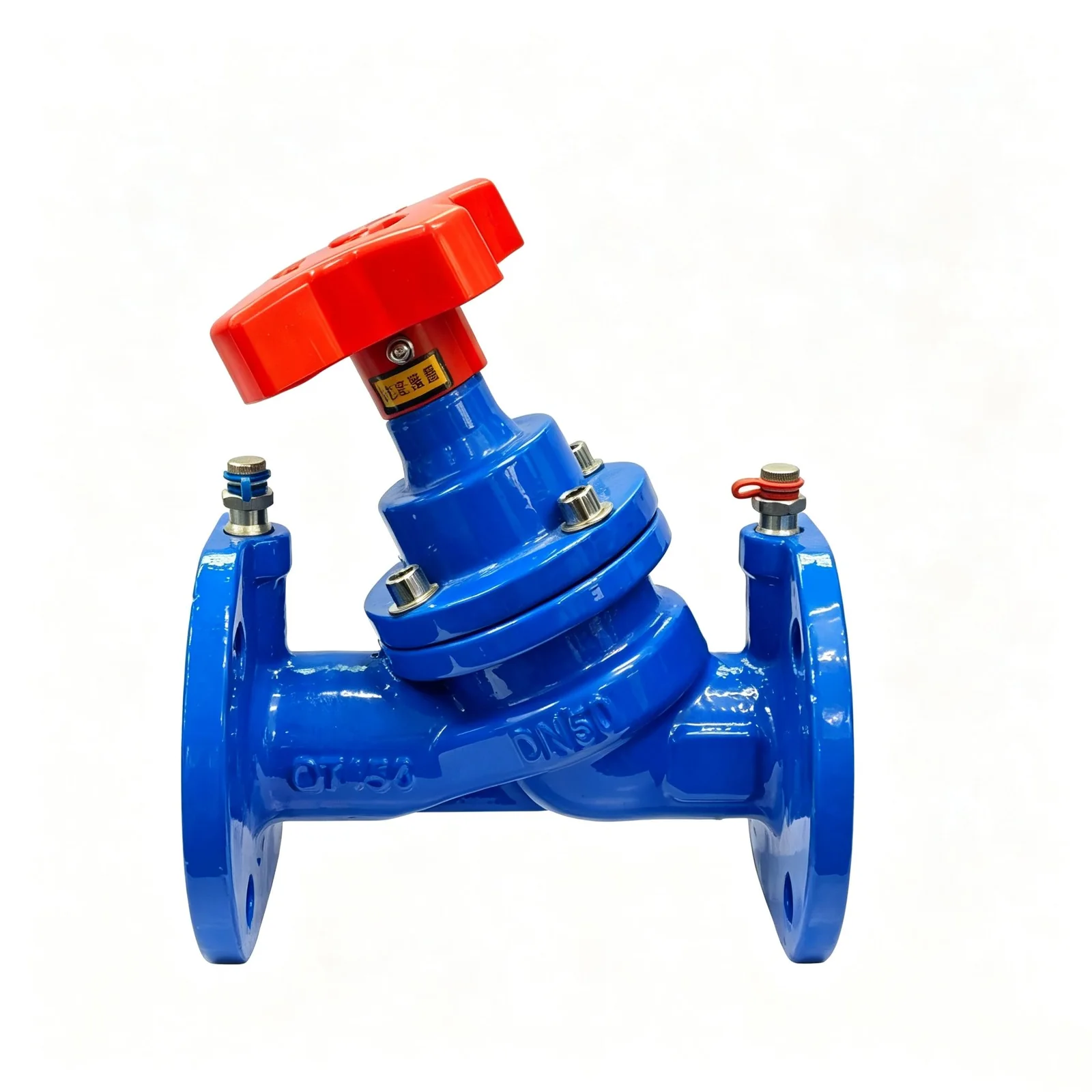
SP45F Digital Balancing Valve
DN50-DN300, QT450 body, digital lock and test points
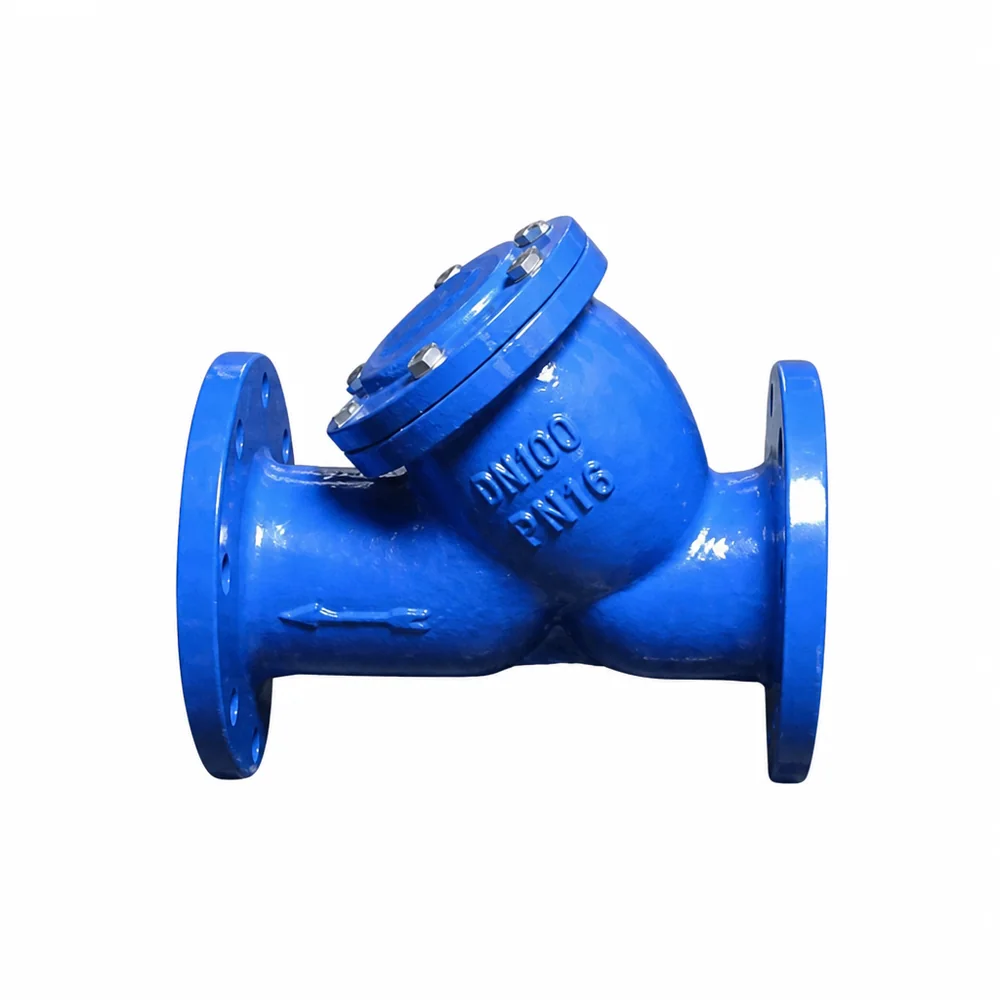
SGL41H Telescopic Y-Strainer
DN50-DN600, SS304/316 screen, maintenance access
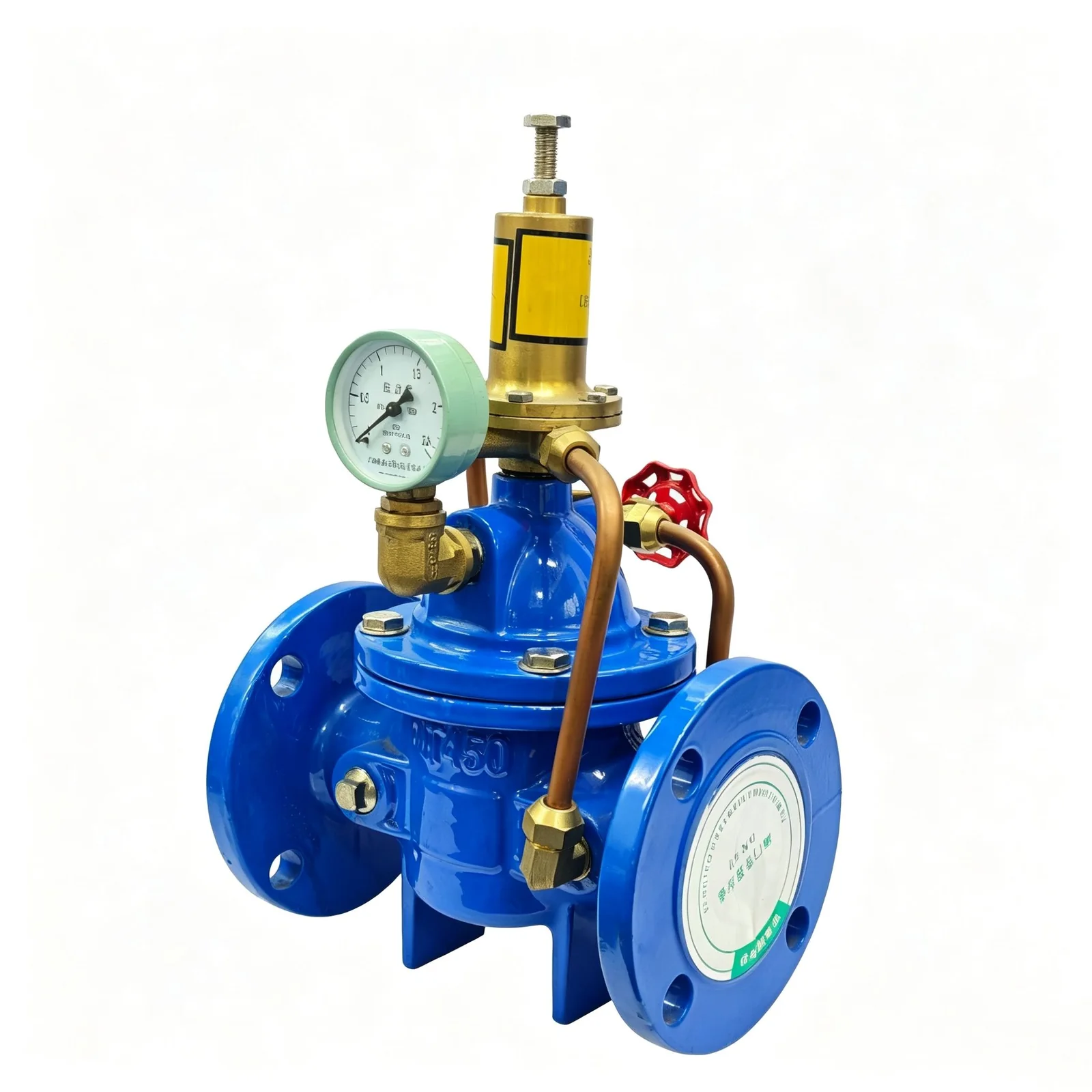
500X Pressure Reducing Valve
DN20-DN600, pilot-operated downstream pressure control
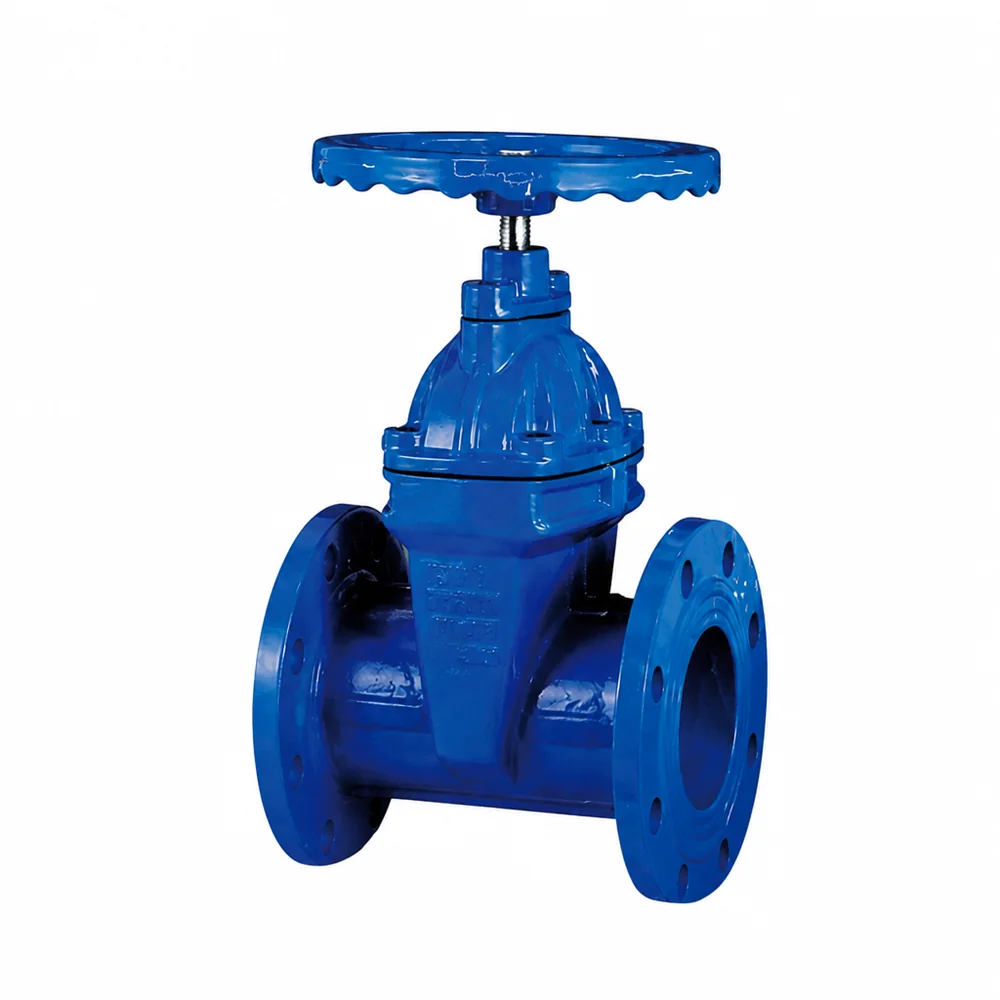
Z41X-T Telescopic Gate Valve
DN50-DN600, EPDM wedge and expansion compensation
1. What Is an HVAC Balancing Valve?
Hydronic HVAC systems distribute chilled or hot water through multiple branches. Without balancing, the branches closest to the pump can take more flow than designed while remote coils receive too little. The result is uneven room temperature, noisy control valves and a pump that works harder than the design requires.
A balancing valve adds controlled resistance to each branch. During commissioning, the engineer sets the valve to the design position, measures the pressure difference and verifies the resulting flow. The purpose is flow distribution and measurement, not isolation and not automatic reduction of the whole network pressure.
2. How the SP45F Digital Valve Works
The SP45F flange digital balancing valve uses a Y-pattern globe structure with a nodular cast iron QT450 body. Its digital lock display records the valve setting, while two stainless steel pressure test points provide the measurement interface for commissioning instruments.
The listed size range is DN50-DN300. When selecting a valve, match the nominal diameter and flange drilling to the branch drawing, then confirm the design flow and available differential pressure. A digital display improves repeatability between installation and later service because the setting can be recorded rather than estimated from a handwheel position.
The valve is listed for water, oil and gas media in the product data. For an HVAC project, state the actual medium and temperature in the enquiry so the sealing materials, body rating and test documentation are reviewed for the intended service.
3. Balancing Valve vs Pressure Reducing Valve
These valves can appear in the same plant room but solve different problems. A balancing valve sets branch flow and supports measurement. A pressure reducing valve automatically holds a lower downstream pressure when inlet pressure or flow changes. Using one as a substitute for the other produces a specification that does not match the system control objective.
The 500X hydraulic pressure reducing valve is pilot-operated and self-operated, with downstream pressure adjustment listed from 0.1 MPa to 1.6 MPa. Use it where network pressure must be reduced and stabilised. Use the SP45F where the commissioning team needs controlled branch resistance, a recordable setting and differential-pressure measurement.
4. Where to Install and Protect It
Install the balancing valve on the branch shown in the hydronic design, with enough clearance to read the display and connect measurement probes. Follow the project drawings for straight-pipe requirements and keep the test points accessible after insulation and ceiling closure.
Remove welding debris and construction dirt before commissioning. The SGL41H telescopic Y-strainer combines a Y-strainer with an expansion sleeve and is listed with SS304/SS316 screens and DN50-DN600 coverage. Used upstream where appropriate, it protects pilot ports, test instruments and valve seats from particulates while leaving a maintenance path.
If the branch also needs isolation and expansion compensation, the Z41X-T telescopic resilient seat gate valve provides shutoff with a listed telescopic range of +/- 25 mm. Keep that isolation function separate from the balancing function in the bill of materials.
5. SP45F vs Hydraulic Control Options
| Valve / component | Primary job | Listed data | Commissioning check |
|---|---|---|---|
| SP45F digital balancing valve | Set and verify branch flow | DN50-DN300, QT450, dual test points | Record setting and differential pressure |
| 500X pressure reducing valve | Hold downstream pressure | DN20-DN600, 0.1-1.6 MPa adjustment | Verify set pressure under flow changes |
| SGL41H Y-strainer | Protect valves and instruments | DN50-DN600, 18-30 mesh water screen | Inspect screen and clean differential |
A typical branch may use more than one of these components: the strainer protects the circuit, the isolation valve allows service, the balancing valve sets flow and a pressure control valve manages a separate pressure zone. Select each item by function and confirm that the combined pressure loss remains acceptable.
6. HVAC Balancing Valve RFQ Checklist
- State the design point - target flow, available differential pressure and whether the valve is for chilled water, heating water or another medium.
- Confirm dimensions - DN, flange drilling standard, face-to-face space and insulation clearance; the SP45F range is DN50-DN300.
- Specify measurement - require dual pressure test points, digital setting display and the commissioning data sheet needed for handover.
- Protect the circuit - identify upstream strainer, flushing procedure and access for screen and valve maintenance.
- Separate functions - list isolation, balancing, pressure reduction and expansion compensation as separate requirements rather than using one generic valve description.
- Request evidence - ask for material information for QT450 and stainless test points, dimensional drawings, pressure-test records and OEM/ODM marking requirements before order confirmation.
Frequently Asked Questions
What does an HVAC digital balancing valve do?+
A balancing valve sets and verifies the design flow in each branch of a hydronic HVAC system. The SP45F uses a Y-pattern globe body, a digital locking display and two pressure test points so an engineer can adjust the valve and measure differential pressure without replacing the valve with a separate flow meter.
What size range is available for the SP45F digital balancing valve?+
The SP45F flange digital balancing valve is listed for DN50 to DN300. Its body is nodular cast iron QT450, with stainless steel test points and a ductile iron handwheel. State the nominal diameter, flange standard and required medium in the enquiry.
Why are two pressure test points important for hydronic balancing?+
A pair of test points lets a commissioning engineer measure pressure upstream and downstream of the valve. The differential pressure, together with the valve setting and manufacturer flow data, is used to verify branch flow and identify an under-supplied or over-supplied circuit.
Can a balancing valve replace a pressure reducing valve?+
No. A balancing valve regulates and verifies flow in a branch; it is not intended to hold a constant downstream pressure across changing network conditions. A hydraulic 500X pressure reducing valve performs that pressure-control function. Select the valve by control objective rather than by appearance.
Where should a strainer be installed in an HVAC balancing circuit?+
Install a suitable strainer upstream of precision control and balancing valves when the pipework may contain welding debris or particulate matter. The SGL41H telescopic Y-strainer combines filtration with an expansion sleeve, and its SS304 or SS316 screen and removable body simplify maintenance.
What should I include in an HVAC balancing valve RFQ?+
Include DN, flange drilling standard, medium, design temperature, design pressure, target flow, available differential pressure, body material, measurement points, actuator or handwheel requirement and the commissioning documentation required. For a quotation, also state whether OEM or ODM marking is needed.
Need an SP45F HVAC Balancing Valve?
Send us the DN, flange standard, target flow and project medium. Our engineers confirm the balancing valve configuration and quote within 12 hours.