
Municipal Infrastructure & B2B Procurement
Municipal Water & Fire Infrastructure in Latin America: A B2B Procurement Guide (2026)
A municipal water & fire project in Latin America is rarely a single purchase. One tender asks for overground hydrants at street corners, isolation gate valves in the main, pressure-reducing valves at zone boundaries, backflow preventers protecting the drinking-water supply, and fire hose with couplings for the local brigade — each often quoted by a different supplier. That fragmentation is where projects slip: mismatched interfaces, split liability, and a documentation trail no single party owns. This guide shows you how to build that scope as one coordinated set, how to read the standards regimes a LatAm tender may actually name, and how to specify and document it so a single manufacturer can quote, test and ship the whole kit under one purchase order.
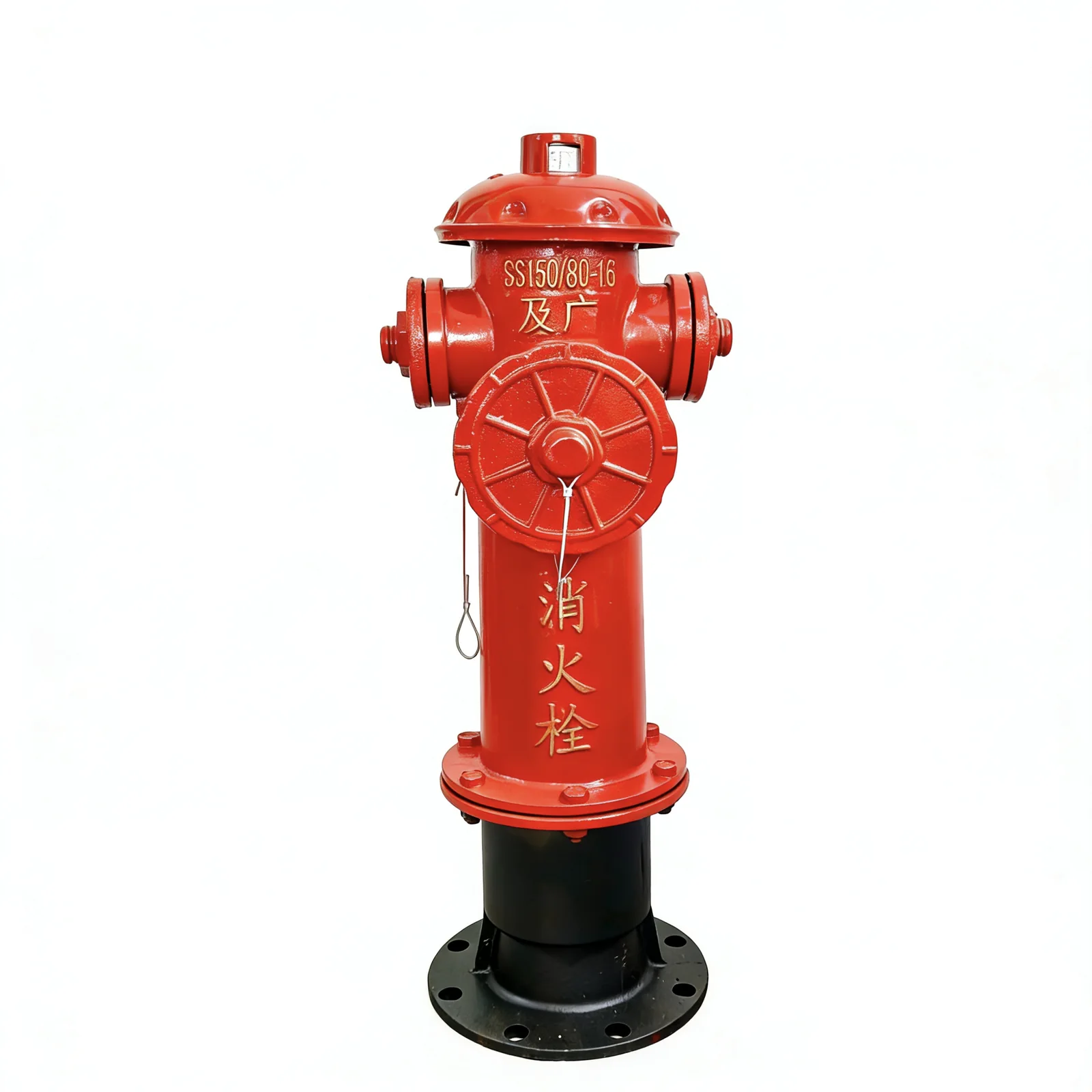
Overground Antifreeze Fire Hydrant (SS100/65)
Outdoor hydrant for municipal fire and water networks
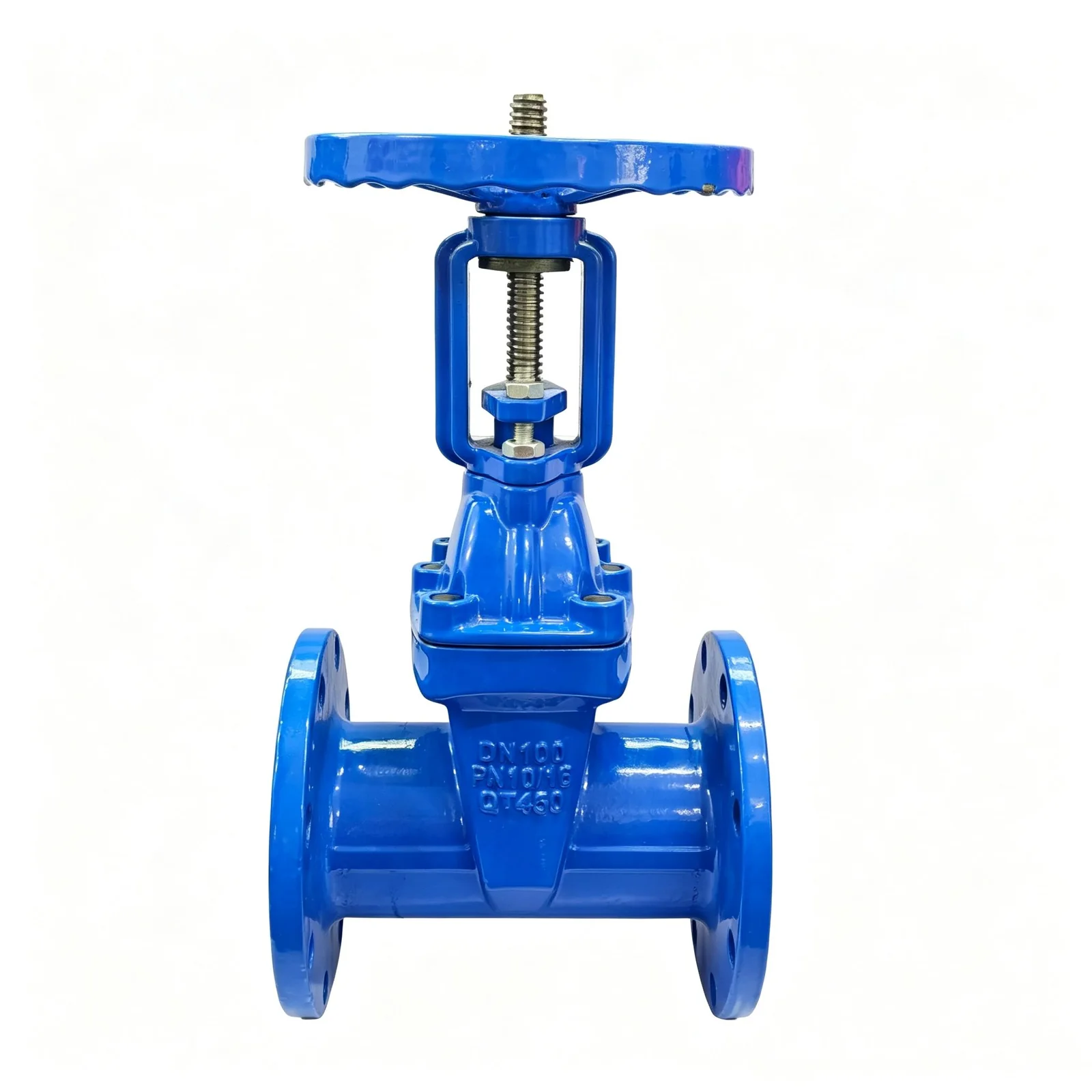
Ductile Iron Resilient Seat Flanged Gate Valve (Z41X)
Full-bore isolation valve for water mains and fire pipelines
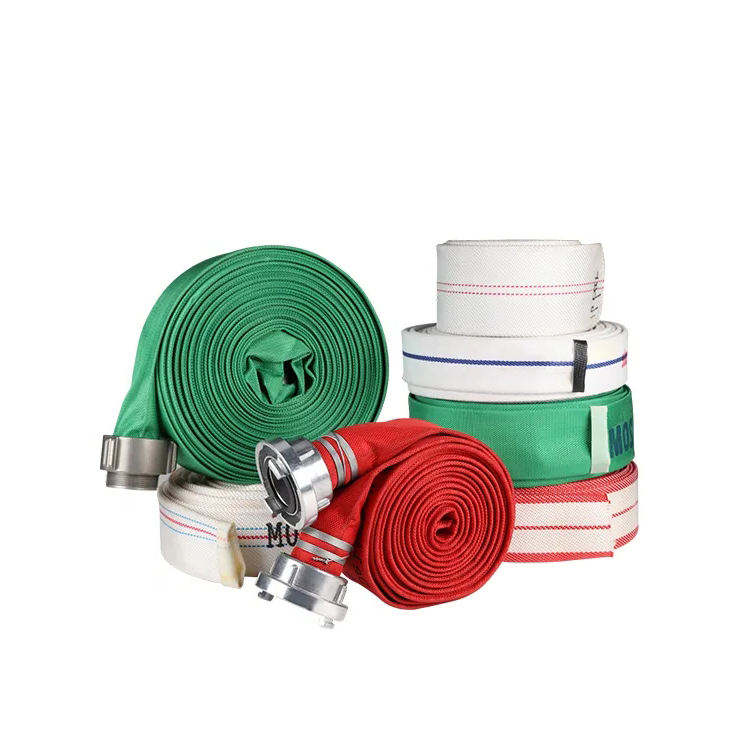
PVC Rubber Lining Layflat Fire Hose (Model 8-65)
Rubber-lined layflat hose for firefighting and water transfer
1. What a Municipal Water & Fire Scope Actually Includes
Across Mexico, Colombia, Peru, Chile, Brazil and Central America, a municipal water & fire package normally falls into five component families. Treating them as one coordinated set — rather than five separate line items sourced on different timelines — is the single most effective way to reduce the risk of interface failures on site:
- Hydrants. Overground hydrants at street and block locations, plus anti-collision or pressure-regulating variants on high-traffic corridors. These are the most visible deliverable in the scope.
- Isolation valves. Gate valves (resilient-seat, full-bore) in the main and at hydrant branches, and butterfly valves where space or weight is the constraint.
- Pressure & zone control. Adjustable pressure-reducing valves at the boundary of each pressure zone so the network stays within its design range.
- Backflow protection. Anti-pollution backflow preventers on connections that could siphon or backpressure the drinking-water supply.
- Fire hose & couplings. Layflat attack hose with matching couplings for the fire brigade and for hydrant-to-pumper operations.
The point is not to buy everything from one brand — it is to make sure the five families are designed and documented to work together. A hydrant, a gate valve, a pressure-reducing valve, a backflow preventer and a length of hose all connect to the same mains and the same operating procedures, so their flanges, threads, pressure classes and materials must be compatible before anything is cast.
2. Standards Regimes in the Region: What the Tender May Require
Latin America is a patchwork of standards regimes. The tender itself decides which one governs your scope — read the specification first, then map each component to it. The table below is a map of the regimes you are likely to encounter, framed as what the tender may require, not as a list of certifications any supplier holds:
| Regime | Where it appears | What it typically covers | What you confirm per order |
|---|---|---|---|
| AWWA C502 / C515 | US-spec projects, re-export, some private utilities | Dry-barrel fire hydrants; resilient-seated gate valves | Per-model conformance, with test reports and certificates before ordering |
| NOM / NR (Mexico) | Mexican municipal and federal tenders | National water and fire-protection product requirements | Which NOM clause the tender names; per-model verification against it |
| ABNT (Brazil) | Brazilian municipal and industrial projects | Brazilian standards for water supply and fire equipment | ABNT reference per component; per-model confirmation with reports |
| EN / ISO (EN 14384, ISO 5208, ISO 7165) | Colombia, Peru, Chile and consultant-driven specs | Hydrant design; valve testing and pressure-rating methods | Pressure class and test method match the specification |
| NFPA 1961 / 13 / 24 | Fire-brigade and hydrant-installation references | Fire hose performance; sprinkler systems; hydrant installation | Hose coupling type and hydrant installation details named in scope |
| UL / FM | Where US-spec insurance or re-export is involved | Listed/approved fire-protection products | Only if the contract requires it; verified per model at the issuing body |
The practical rule is the same in every market: compliance with a specific standard must be confirmed per model with test reports and certificates before ordering. A generic brochure does not prove a given hydrant or valve conforms to the clause your tender cites — a per-model test record does. Our fire hydrant & valve standards guide explains how to read a standard against a test report line by line.
Couplings add a second layer. Specify the interface your brigade actually uses — Storz (widespread in the region), NH threads, or instantaneous/BS 336 — and have the supplier confirm it in writing. Our 2.5" aluminum Storz coupling is a common match for hydrant-to-pumper operations; the fire hydrant selection guide walks through hydrant types, pressure classes and connection standards.
3. How a Single Purchase Order Reduces Coordination Risk
When hydrants, valves, hose and backflow protection come from one manufacturer under one PO, you remove the failure modes that most often delay municipal projects:
- One accountable party. If a hydrant branch and its isolation valve do not match, the dispute is with one supplier — not three.
- Coordinated interfaces. Flange faces, threads, pressure classes and materials are cross-checked across the whole kit before production, so components arrive ready to connect.
- One documentation trail. Per-unit test records, certificates and export documents sit in a single file that your inspector and the contracting authority can review together.
- One quality gate. Every unit in the kit is shell pressure-tested and air-leakage tested before shipment, under an ISO 9001 quality-management system.
- One inspection point. A third-party inspection (e.g. SGS or Bureau Veritas) can be staged against one shipment instead of several.
- OEM & branding options. Where the tender requires the contracting authority's or your brand, custom branding and export packaging are coordinated on the same PO.
None of this depends on any single certification claim. It depends on the manufacturer actually building and testing the whole set. That is what Wanlian Fluid's own production lines — with selected items made by qualified partners and valve bodies CNC-machined in-house — are set up to do, with a published range of 6 product lines and 43+ in-stock models. To understand the vendor side of this, read our guide to verifying a Chinese valve & fire-equipment supplier.
4. Selection Matrix: Component, Typical Spec, Recommended Model
Use this matrix as a starting point for your RFQ. Each row pairs a scope component with the kind of specification a LatAm tender commonly names and a Wanlian Fluid model that addresses it. Confirm size, pressure class and standard reference against your specification — the per-model qualification note applies to every row:
| Component | Typical tender spec | Recommended Wanlian model | Note |
|---|---|---|---|
| Overground hydrant | Ductile iron, outdoor, street/block locations | Overground Antifreeze Fire Hydrant (SS100/65) | AWWA C502 / EN 14384 framing per model |
| Anti-collision / pressure-regulating hydrant | High-traffic corridors, vehicle protection | Anti-Collision Pressure-Regulating Outdoor Fire Hydrant (SSFT100/65) | Confirm impact and pressure-regulating spec per model |
| Monitored / smart hydrant | Network condition monitoring | IoT Smart Ground Fire Hydrant (SS100/65-1.6ZN) | Confirm communication and telemetry scope |
| Isolation gate valve | Ductile iron, resilient seat, full-bore, PN16 or ANSI | Ductile Iron Resilient Seat Flanged Gate Valve (Z41X) | ISO 5208 test method; class matched to system pressure |
| Pressure-reducing valve | Hydraulic, adjustable, at zone boundary | Hydraulic Adjustable Pressure Reducing Valve (500X) | Set inlet/outlet pressure range from the network design |
| Backflow preventer | Anti-pollution, drinking-water protection | Anti-Pollution Backflow Preventer (HS41X-16) | Confirm backflow category the tender requires |
| Fire hose | Polyester jacket, vulcanized rubber lining, layflat | PVC Rubber Lining Layflat Fire Hose (Model 8-65) | NFPA 1961 framing; coupling type specified |
| Couplings | Storz (German standard), 2.5" | 2.5" Aluminum Storz Coupling (German Standard) | Must match hose ends and brigade equipment |
Every model in this matrix is subject to the same rule: compliance with a specific standard must be confirmed per model with test reports and certificates before ordering. Send the exact clause and size from your tender and the engineering team will return a line-by-line confirmation rather than assume it.
5. Specification & Documentation to Request
For a municipal kit, put these items in the purchase order so they are contractually due — not optional afterthoughts:
- Per-unit test records. Shell pressure test and air-leakage test for each unit, traceable to the serial/lot, so your inspector can match a record to a physical item.
- ISO 9001 certificate. Verify it with the issuing body and confirm the scope covers the product categories in your order.
- Per-model standard confirmation. Where your tender cites AWWA, NOM, ABNT, EN or NFPA, a written conformance statement against the named clause for each model.
- Materials documentation. Body material (for example ductile iron versus cast iron) and lining details — these drive price and lifetime and should be stated, not implied.
- OEM & branding confirmation. Custom branding, markings and export packaging exactly as the tender or your brand requires.
- Export documents. Commercial invoice, packing list and the shipping documents your destination requires, coordinated on the same PO.
The same documentation discipline protects you when you verify the supplier itself. Our B2B valve sourcing checklist lists the vendor-level checks — legal entity, ISO scope, per-unit testing, third-party inspection — that sit behind this list.
6. Municipal Procurement Checklist
Before you issue the PO, work through this list. It is designed to catch the coordination failures that cost municipal projects the most time:
- Each of the five component families is named with size, pressure class and quantity.
- The standard named in the tender is identified for each component, not assumed.
- Interfaces (flange, thread, coupling) are cross-checked across hydrants, valves and hose.
- One manufacturer is specified for the coordinated set, or compatibility is confirmed in writing across suppliers.
- Per-unit test records and ISO 9001 certificate are written into the contract as deliverables.
- Third-party inspection is staged against one shipment, before dispatch.
- OEM/branding and export packaging are confirmed where the tender requires them.
- The quote-response and lead-time commitments are recorded in the purchase order.
A tender that specifies the whole set, names its standards, and requires the documentation is a tender a single manufacturer can win on coordination as well as price. That is the position Wanlian Fluid is built for: quote the set, test every unit, and ship it under one PO.
Frequently Asked Questions
Can one supplier actually cover hydrants, valves, hose and backflow for a municipal project? +
Yes. Wanlian Fluid runs its own production lines in Quanzhou, with selected items produced by qualified manufacturing partners, and consolidates hydrants, gate and control valves, fire hose, couplings and backflow preventers under a single purchase order. That means one documentation trail, one inspection point and one accountable manufacturer for the whole kit.
Which standards will my LatAm tender actually name? +
It depends on the country and on whether the scope follows a US, European or national reference. Mexico tenders frequently cite NOM; Brazil cites ABNT; US-spec or re-export work may cite AWWA, NFPA or UL/FM; many projects reference EN or ISO. Always read the standard named in the specification first — compliance with a specific standard must be confirmed per model with test reports and certificates before ordering.
Does Wanlian Fluid hold AWWA, NOM or ABNT certification? +
Wanlian Fluid operates under an ISO 9001 quality-management system and pressure-tests every unit before shipment. Standard-specific qualification is handled per model: send the standard on your specification and the team will confirm conformance, with matching test reports and certificates, for the exact models you order before you commit.
What does "per-unit testing" mean in practice for my order? +
It means the shell of every individual unit is pressure-tested and then air-leakage tested before it is packaged — not a sample taken from the batch. For safety-critical fire equipment this is the responsible baseline, and it is documented per unit so your inspector can trace it.
How long until I have a quote for a full kit? +
Send your specification and destination. Wanlian Fluid commits to replying with an itemized quote within 12 hours, breaking out each component, size, pressure class and standard reference so you can compare against your tender line by line.
Sources
- AWWA — hydrant and valve standards (AWWA C502, C515): awwa.org
- NFPA — fire hose, sprinkler and hydrant-installation standards (NFPA 1961, 13, 24): nfpa.org
- ISO — valve testing and quality standards (ISO 5208, ISO 7165, ISO 9001): iso.org
- Wanlian Fluid — product lines, per-unit testing and export documentation: wanlian911.com
Standards and regime references are a general buyer guide as of 2026 — always confirm the current edition and its applicability with your contracting authority and specifier before procurement.
Building a Municipal Water & Fire Scope for LatAm?
Send us your specification and destination — we reply with an itemized quote within 12 hours.