
Fire Protection Standards Guide
NFPA 13 vs 14 vs 20 vs 25: A Buyer's Guide
In short: NFPA documents do different jobs. NFPA 13 is the sprinkler-system design and installation reference; NFPA 14 covers standpipes and hose systems; NFPA 20 covers stationary fire pumps; NFPA 24 covers private fire service mains; and NFPA 25 covers inspection, testing and maintenance. Use the edition adopted by the authority having jurisdiction, then reconcile it with local codes, EN 12845 or GB requirements.
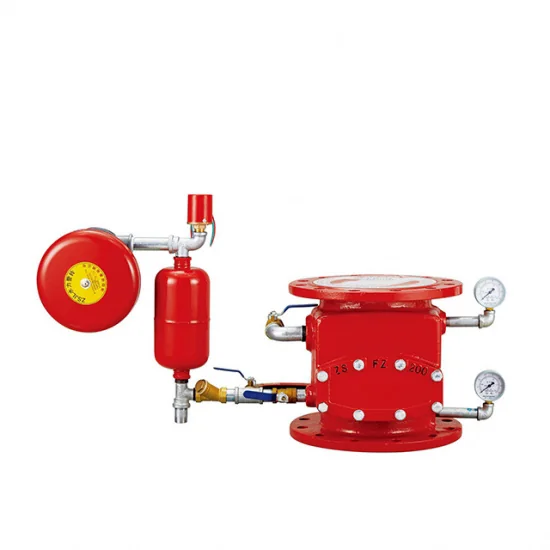
ZSFZ-150 Wet Alarm Check Valve
Wet-system alarm valve with retard chamber and pressure switch
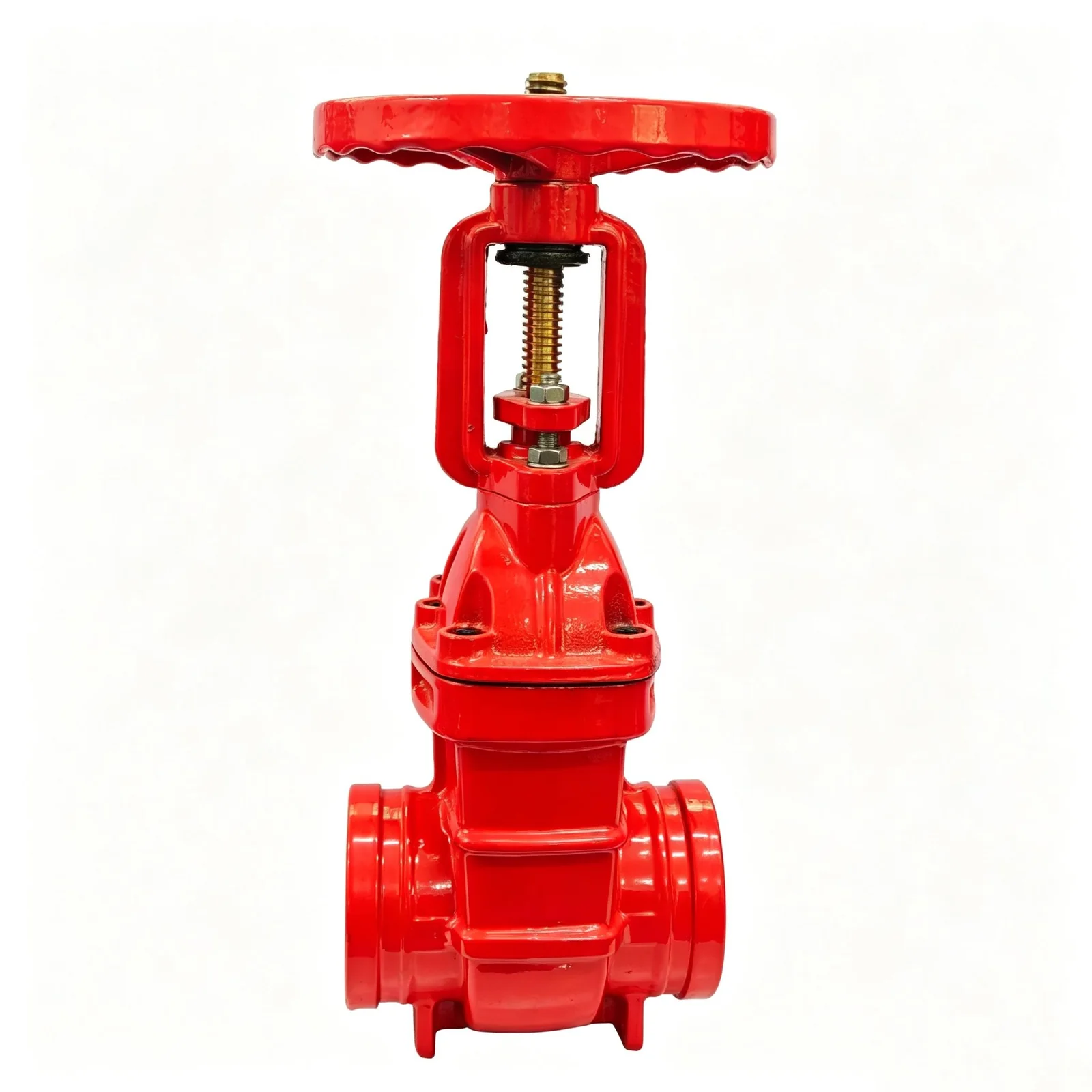
UL/FM Resilient Seated OS&Y Gate Valve
Grooved OS&Y valve with rising stem indication
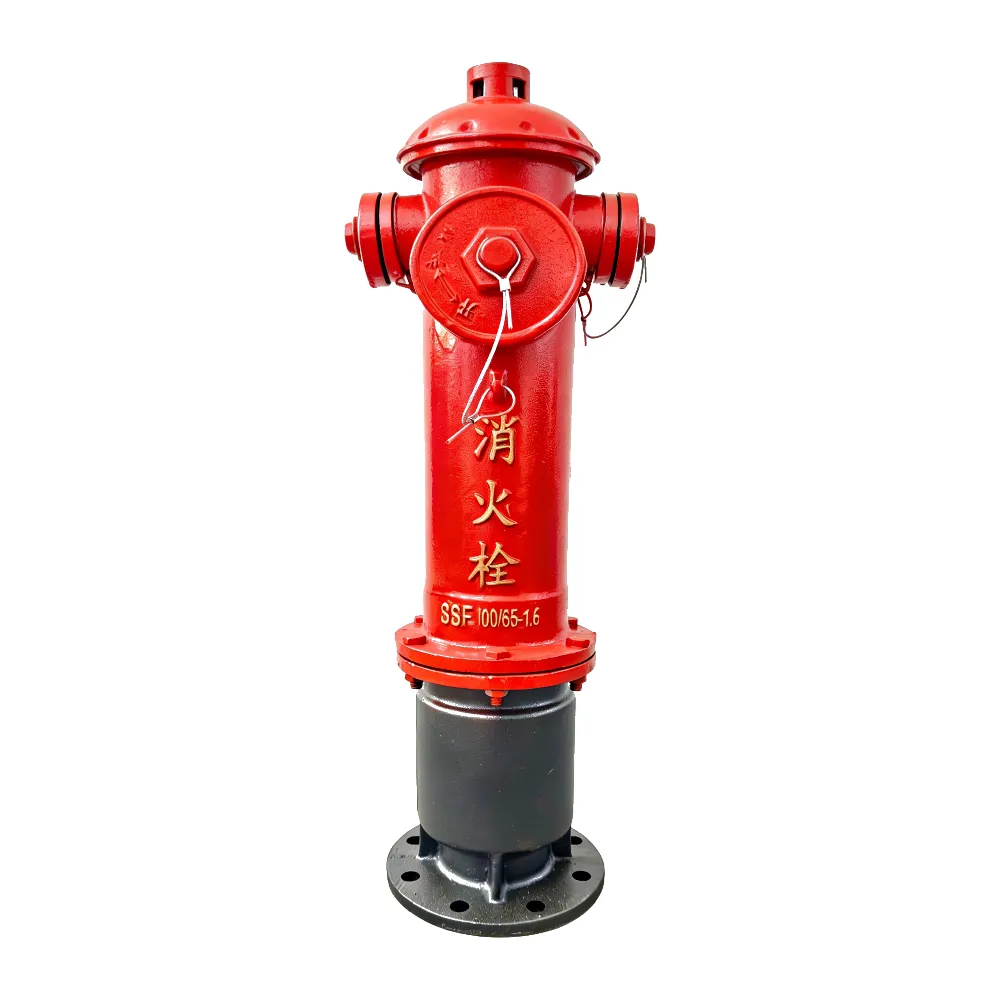
SS100/65 Overground Fire Hydrant
Ductile iron overground hydrant for fire-water networks
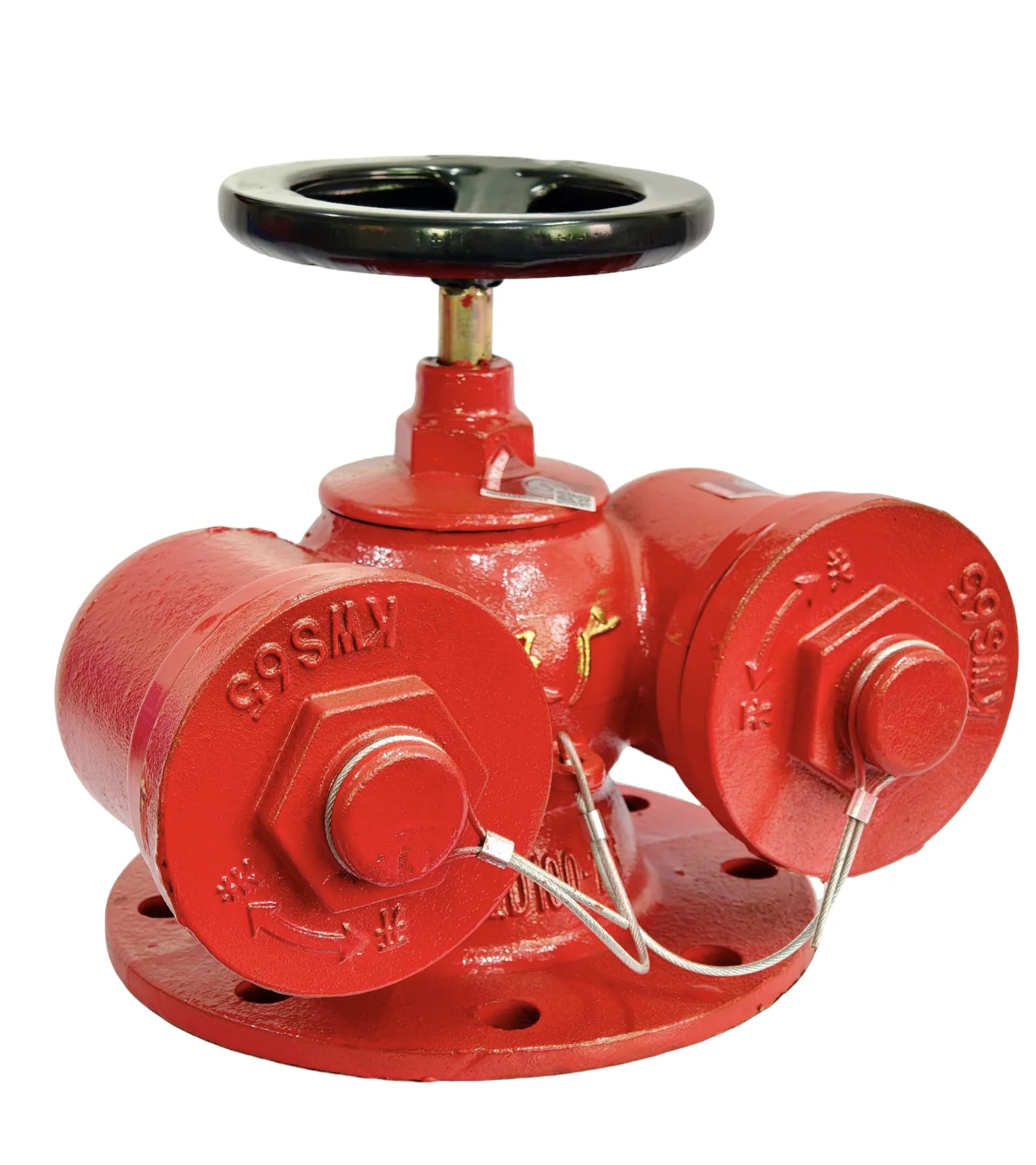
SQD100-1.6 Fire Pump Adapter
Twin DN65 inlets and DN100 flanged outlet
1. Why the Standard Set Decides What You Buy
A fire-water package is not bought from one universal checklist. The governing document determines which system boundary is being designed, which components must be coordinated and which documents the supplier has to provide. A sprinkler riser, a standpipe, a fire pump room and a private fire main can sit on the same project while being governed by different parts of the standard set.
For a procurement engineer, the first question is not “Which valve is cheapest?” It is “Which design basis and adoption decision appears in the specification?” A ZSFZ wet alarm check valve may be relevant to a wet sprinkler riser, while an OS&Y gate valve may be used for supervised isolation. Their acceptance depends on the system drawing and project requirements, not on the product name alone.
This is why a quotation that says “NFPA compliant” is incomplete. The buyer needs the document scope, adopted edition, local amendments, authority review status, exact model and required evidence. The fire sprinkler control valve types guide is useful for the hardware distinction, but the project’s specification package remains the controlling source.
2. The Six Documents and What Each Governs
The centerpiece for buying decisions is a plain-language scope map. NFPA 13, 14, 20, 24 and 25 are five NFPA documents; the sixth item below is EN 12845, included because overseas projects frequently compare or reference it. They are related, but they are not interchangeable.
| Document | Plain-language scope | Buying impact |
|---|---|---|
| NFPA 13 | Sprinkler-system design and installation | Sprinklers, riser assemblies, valves, pipework and system interfaces must match the approved sprinkler design |
| NFPA 14 | Standpipes and hose systems | Standpipe valves, hose connections, cabinets, pressure arrangements and related supply interfaces |
| NFPA 20 | Stationary fire pumps | Pump-room equipment, pump supply interfaces, drivers, controllers and associated acceptance documents |
| NFPA 24 | Private fire service mains and appurtenances | Private underground or site fire-water mains, valves, hydrants and connections within project scope |
| NFPA 25 | Inspection, testing and maintenance of water-based systems | Access, test connections, records, periodic inspection and maintainability after handover |
| EN 12845 | A separate European framework for automatic sprinkler-system design and installation | European project terminology, calculations, components and acceptance must be checked against its adopted basis |
The table is a map, not a substitute for reading the project specification. It deliberately avoids edition-specific section numbers and numeric requirements. Where a figure or clause matters, use the edition adopted by the authority having jurisdiction.
3. How the Documents Interact on One Project
Consider a warehouse with sprinklers, an indoor standpipe, a pump room and a private yard main. NFPA 13 provides the sprinkler design and installation basis. NFPA 14 addresses the standpipe and hose system. NFPA 20 addresses the stationary fire pump that supplies the water-based systems. NFPA 24 applies to the private fire service main and hydrants that connect the site supply. NFPA 25 then governs the inspection, testing and maintenance program after the systems are installed.
The boundaries must be coordinated. A pump selected without the sprinkler and standpipe demand can be the wrong pump for the project. A private main with an unsuitable valve or hydrant connection can prevent the fire department from using the supply. A riser designed without maintainable test points may be difficult to inspect even if the installation looks complete.
The hardware schedule should therefore identify where each item belongs and which document or approved drawing governs it. An SS100/65 overground fire hydrant is a site water-main item, while the SQD100-1.6 fire pump adapter is a pump-supply connection with twin DN65 inlets, a DN100 flanged outlet and a listed 1.6 MPa pressure rating in the product file. Confirm its role against the project drawings rather than assigning it to a standard by name.
4. NFPA, EN 12845, GB and Local Adoption
NFPA documents, EN 12845 and GB documents are different standards families. They may address similar equipment, but similar subject matter does not make their requirements interchangeable. Terminology, design assumptions, acceptance records and product evidence can differ.
For an international tender, identify the governing family first, then identify the authority that adopts or amends it. In the United States and other NFPA-influenced markets, the authority having jurisdiction may enforce an adopted edition together with local building and fire codes. In Europe, EN 12845 may be used alongside national rules, insurer requirements and project-specific approvals. In China, GB requirements and local fire-control acceptance may define the applicable basis. The correct answer is project-specific.
Do not combine an NFPA design requirement with an EN acceptance assumption simply because the valve has the right nominal size. If the tender permits alternatives, ask the consultant to state the equivalence method and documentation. Our CE and EN 12845 compliance guide covers the European side; the fire hydrant and valve standards guide provides broader connection and standards context.
5. What a Supplier Has to Document
A credible supplier should be able to identify the exact product offered and connect it to the duty in the specification. Request the datasheet, dimensional drawing, materials, connection type, pressure information, operating instructions and maintenance instructions. For a listed or certified item, request the exact model scope and current certificate or listing evidence required by the project.
- Identity: manufacturer, model, size, connection, revision and traceable product marking.
- Construction: body, trim, seals, coatings and any material declarations relevant to the tender.
- Performance: published pressure, temperature, flow or operating information that applies to the exact model.
- Evidence: factory test records, inspection records, third-party listing or certificate documents where required.
- Lifecycle: installation, testing, maintenance, spare-parts and replacement information needed by the owner.
The UL listed fire valves guide explains why a logo alone is not enough. For procurement controls across valves and fire equipment, use the B2B valve sourcing checklist and require the supplier to answer each line item in writing.
6. How to Read a Specification Package
Start with the code and approval notes, not the product schedule. Mark the authority having jurisdiction, the edition adopted by that authority, local amendments, insurer requirements and any approved alternative basis. Then trace each equipment line to the plan, riser diagram, hydraulic calculation, pump schedule and commissioning requirement.
Next, separate mandatory requirements from preferred descriptions. “OS&Y” may describe valve operation and visual position; “UL/FM” may be a listing requirement; “grooved” may describe the connection. Each statement has to be answered with the exact offered model and evidence. If a line says “NFPA compliant” without identifying the duty, ask for clarification before comparing prices.
Finally, build a closeout list while buying. Include approved drawings, test records, certificates, operation and maintenance data, spare recommendations, identification tags and training responsibilities. This is how NFPA 25’s maintenance perspective influences procurement: access, testability and records must be designed into the package rather than discovered after handover.
For overseas procurement, ask the supplier to keep the project reference on every drawing and test record. A catalogue family may contain several sizes or connection variants, and a certificate that names only the family can be difficult to match at acceptance. The exact model, size, connection and revision should remain visible from quotation through delivery.
For distributors, preserve the same traceability in the resale file. If a contractor asks for a replacement valve, hydrant or pump adapter later, the original specification basis and approved model are more useful than a generic replacement promise. That discipline protects the installer, the authority and the end owner.
Frequently Asked Questions
What is the difference between NFPA 13, NFPA 14, NFPA 20 and NFPA 25?+
NFPA 13 addresses sprinkler-system design and installation, NFPA 14 addresses standpipes and hose systems, NFPA 20 addresses stationary fire pumps, and NFPA 25 addresses inspection, testing and maintenance of water-based fire-protection systems. The adopted edition and local code determine how each applies on a specific project.
Does NFPA 24 apply to every fire hydrant?+
NFPA 24 governs private fire service mains and their appurtenances, including the water supply piping and private hydrant arrangements within its scope. A municipal public-water hydrant or a building-side component may also be subject to local requirements. Confirm the boundary with the designer and authority having jurisdiction.
Does NFPA 25 tell me how to design a new sprinkler system?+
No. NFPA 25 is the inspection, testing and maintenance document for water-based fire-protection systems. It supports ongoing readiness after installation; it is not a substitute for the design and installation requirements that apply to the new system.
How does EN 12845 relate to the NFPA documents?+
EN 12845 is a separate European sprinkler-system design and installation framework. It may use different terminology, assumptions and acceptance documents. A project should identify one governing design basis, then confirm any local code, insurer or AHJ amendments rather than blending clauses from separate regimes.
Can a product marked NFPA be accepted automatically?+
No. A product description is not approval for every project. The buyer must match the exact model, size, connection, pressure class, listing or certification requirement and installation duty to the adopted specification. The authority having jurisdiction decides acceptance.
What should a supplier document for an NFPA project?+
Request the exact model datasheet, dimensions, materials, pressure information, connection details, installation and maintenance instructions, test records and any required third-party listing or certificate. Ask for documents that identify the supplied model, not a generic product family.
Need an NFPA Fire-Water Equipment Package?
Send the governing standard basis, adopted edition, equipment schedule and AHJ notes — our engineers can map the valve, hydrant and pump-connection scope to your project.