Hydraulic Safety
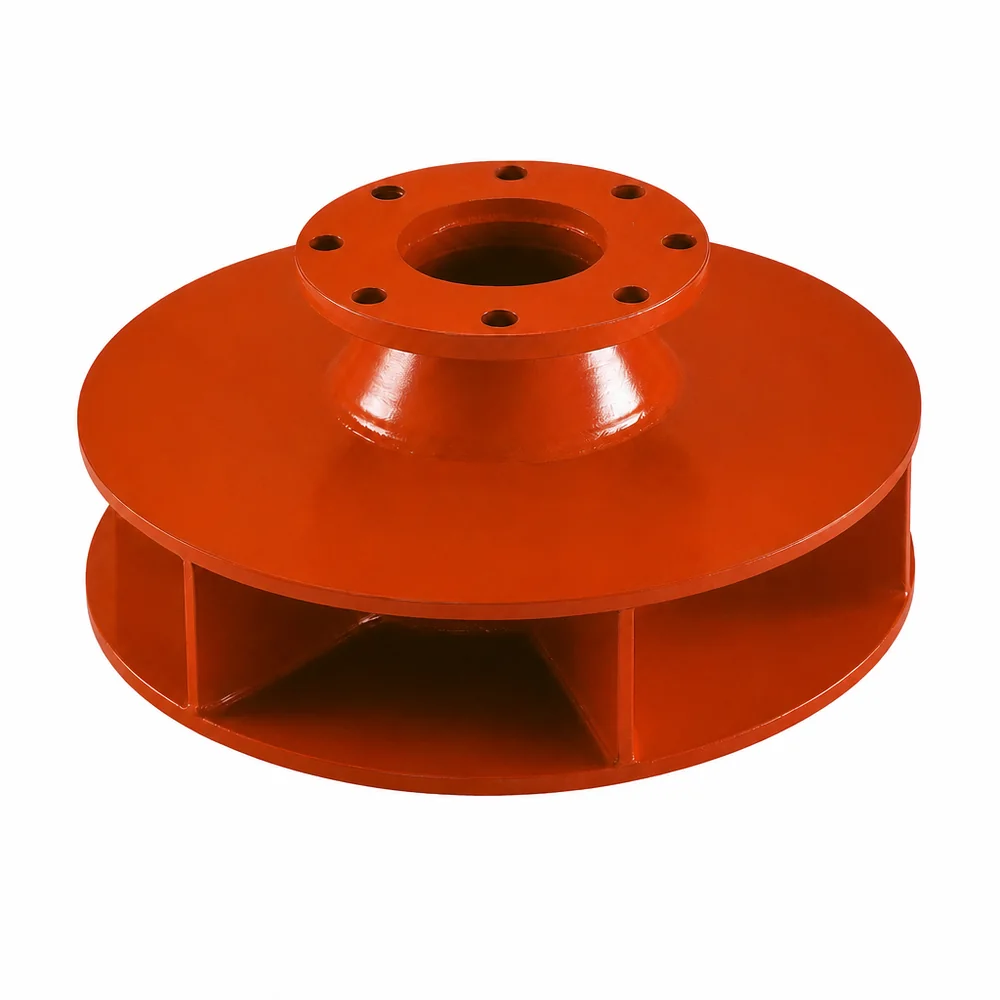
Austenitic Stainless Steel Suction Vortex Preventer
Designed strictly according to European Standard EN12845 and Chinese GB50974-2014. It is installed at the suction inlet of water pumps inside reservoirs or tanks to eliminate liquid vortexes and prevent air entrainment.
Key Features
- Prevents air entrainment to eliminate pump cavitation and mechanical damage
- Allows the water tank volume to be fully drained down to extremely low depths (100mm)
- Crafted with premium austenitic stainless steel (SS304/SS316) for superior rust-proof performance
- Extremely solid and simple design, maintenance-free
Technical Specifications
- Size Range
- DN50 - DN1000
- Material
- SS304 / SS316
- Compliance Standard
- EN12845 / GB50974-2014
- Sanitary Requirement
- GB/T17219
Parts & Materials List
- Vortex Plate
- Austenitic Stainless Steel 304 / 316
- Internal Support Legs
- Stainless Steel 304
- Fasteners & Bolts
- Stainless Steel 304
Applications
- Water reservoir level control
- Pressure management in water networks
- Drinking water backflow protection
- Pump suction protection
Quality & Testing
Function and pressure tests per applicable standards; diaphragm and seal assemblies tested for durability.
Frequently Asked Questions
Do hydraulic control valves require electrical power?
Most hydraulic control valves (e.g. F745X level control, 500X pressure reducing) are fully self-operated by pipeline pressure and require no external power. Solenoid-controlled models such as GKZF-1 use AC220V or DC24V.
What is the pressure adjustment range of the 500X valve?
The 500X pressure reducing valve adjusts downstream pressure from 0.1 MPa to 1.6 MPa and works with inlet pressures up to the nominal rating (PN10/PN16/PN25).
What materials are used for potable water applications?
For drinking water networks, models such as the HS41X backflow preventer use ductile iron bodies with EPDM seals and stainless steel internals, compliant with GB/T17219 sanitary requirements.
How is water hammer prevented in hydraulic valves?
Pilot-controlled valves close smoothly and slowly, which avoids sudden pressure surges. Needle valves allow adjustment of the closing speed to match the specific pipeline conditions.
Related Buying Guides
Buying Guide
Pressure Reducing Valve Guide: 500X Hydraulic PRV
How pilot-operated PRVs protect downstream equipment, adjust set pressure and prevent water hammer.
Read Guide Buying GuideBackflow Prevention Guide
When potable water networks need double check assemblies and how HS41X protects against backflow.
Read Guide